What's inside
As an Amazon Associate I earn from qualifying purchases. This post may contain affiliate links at no extra cost to you.
A stained wooden umbrella stand needs to handle two problems at once: occasional water from wet umbrellas and enough weight to stay upright. The best wood is usually white oak, but the right choice depends on whether the stand sits in a covered entryway or receives frequent drips. Wood species, construction, glue, and finish all matter more than stain color.
As an Amazon Associate we earn from qualifying purchases at no extra cost to you.


Our Top Picks
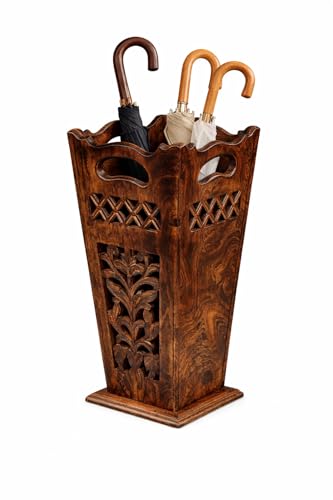 ARTISENIA Antique Wooden Umbrella Stand & Walking Cane21.5 x 8 x 8 inches8 x 8 x 21 inches2.3 PoundsCheck on Amazon
 Patelai Wooden Umbrella Stand Rack with Removable Drip23.62 x 12.2 x 5.51 Inches5.51 PoundsCheck on Amazon
 OUNONA Solid Wood Umbrella Stand Elegant Entryway Organizer0.00X0.00X0.00CM19.48 x 6.61 x 6.88 Inches2.71 poundsCheck on Amazon
 1/2 pt Minwax 13407 Clear Pre-Stain Wood Conditioner1/2 Pint3 x 3.25 x 3 inches0 PoundsCheck on Amazon


Best overall: white oak
White oak is the safest all-around choice for a stained umbrella stand. It is hard, reasonably heavy, widely available, and naturally more resistant to moisture than many common furniture woods. Its open grain accepts penetrating stains well, especially medium brown, walnut, and oak colors. The grain also gives a stand enough visual character that it does not need an elaborate design.
White oak is not waterproof. Standing water can still cause black stains, raised grain, glue-joint failure, and finish damage. However, its closed cellular structure resists moisture penetration better than red oak. If umbrellas will regularly drip onto the stand, use white oak with a sealed interior and a finish rated for frequent handling and occasional water exposure.
For a solid stand, boards around 3/4 inch thick are suitable for the sides, while a heavier base of 1 inch or more improves stability. A tall stand should have a broad base; roughly 10 to 12 inches across is a useful starting point for a stand 24 to 28 inches tall.
Wood species compared
| Wood | Strengths | Weaknesses | Best use |
|---|---|---|---|
| White oak | Durable, heavy, stains well, good moisture resistance | Costs more; open grain needs extra sanding for a smooth finish | Best general-purpose stand |
| Hard maple | Hard, fine-grained, clean modern appearance | Can stain unevenly and show blotches | Clear-coated or lightly colored stands |
| Walnut | Rich natural color, stable, easy to finish | Expensive; dark stains can hide its grain | High-end indoor stand |
| Ash | Strong, affordable, prominent grain | Less moisture-resistant than white oak | Dry entryways and budget builds |
| Pine | Cheap, available, easy to work | Soft, dents easily, blotches under stain | Low-cost indoor project with careful preparation |
| Cedar | Lightweight and moisture-resistant | Soft, aromatic, relatively light and easily dented | Decorative or occasionally wet stands |
When a cheaper wood is fine
Use pine or ash if the stand is indoors, sits on a mat, and holds only one or two umbrellas. The cheaper wood is not automatically a bad choice. Pine can produce a good result when you sand to 180 grit, apply a pre-stain conditioner, and use a gel stain rather than flooding the surface with a thin penetrating stain.
Choose hard maple when you want a pale, clean appearance and are willing to leave it nearly natural. Maple is hard and durable, but it commonly develops dark and light patches with ordinary oil stain. A water-based dye, gel stain, or tinted clear finish gives you more control.
Avoid particleboard and unsealed MDF for the main structure. Water from a wet umbrella can swell exposed edges permanently. Veneered plywood is acceptable if the edges are covered with solid wood or sealed thoroughly, but use exterior-grade or moisture-resistant plywood rather than basic interior panels.
Construction and glue choices
Keep the umbrella tube separate from the wood whenever possible. A removable plastic, stainless-steel, or galvanized insert catches water and makes cleaning easier. The insert should stop at least 1/2 inch above the wooden bottom so water does not remain trapped against the base. Drill a drain hole only if the stand sits over a surface where drainage is acceptable.
For glued joints, use a waterproof or highly water-resistant woodworking adhesive. A Type II glue is adequate for light indoor exposure; a Type III glue provides more margin when wet umbrellas are common. Compare current options here: Type III waterproof wood glue. Apply enough glue to wet both surfaces, clamp firmly, and remove squeeze-out before it dries. Dried glue will resist stain and leave pale lines.
Do not rely on glue alone for a heavy, tall stand. Add screws from the inside, dowels, or a rabbet-and-screw joint. Predrill near board ends to prevent splitting. A wide, weighted bottom is more effective than simply using thicker side panels.
Sanding and surface preparation
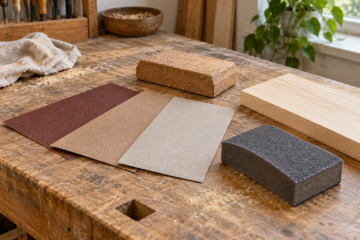
Begin with 100 or 120 grit only when the boards have milling marks. Progress through 150 and finish at 180 grit for oil stain. Sanding much finer than 220 grit can close the surface and reduce stain absorption, especially on maple and other fine-grained woods.
Break sharp edges with a few hand passes of 180 grit. A crisp edge absorbs more stain and finish than the surrounding face, creating a dark stripe. Vacuum the dust, then wipe with a clean, barely damp cloth or use a manufacturer-approved dust-removal method. Do not soak the wood before staining.
Test the complete finish schedule on an offcut. The same stain can look substantially different on white oak, pine, and maple. If using pine, maple, birch, or cherry, consider a wood pre-stain conditioner. It reduces blotching, though it can also make the final color lighter.
Stain and topcoat selection
Oil-based stain gives white oak a warm, deep appearance and offers a longer working time for wiping. Water-based stain dries faster and preserves a cleaner, less amber color, but it can raise the grain. If you use water-based stain, lightly dampen the bare wood, let it dry, sand the raised fibers with 220 grit, and remove the dust before staining.
Apply stain in thin, even coats and wipe off excess according to the product instructions. Do not leave a wet puddle inside the umbrella cavity. It can remain tacky for days and may bleed into a topcoat.
Seal every surface, including the underside, bottom edges, inside walls, and any end grain. A durable water-based polyurethane keeps the color clearer; oil-based polyurethane adds warmth and usually builds a slightly thicker-looking film. Three thin coats on exposed surfaces, with light sanding between coats when required, are more reliable than one heavy coat. Use a water-based polyurethane wood finish for a low-odor indoor project, or an oil-based finish when maximum warmth and a forgiving application matter more.
The practical buying decision
Choose white oak if you want the best balance of durability, stain appearance, and moisture tolerance. Choose ash or pine when cost matters and the stand will stay mostly dry. Choose walnut when appearance matters more than price and you are comfortable using a clear finish rather than darkening its natural color. Whatever the species, add a removable waterproof liner, seal all faces, and give the finish several days to cure before placing wet umbrellas inside.
0 Comments