What's inside
As an Amazon Associate I earn from qualifying purchases. This post may contain affiliate links at no extra cost to you.
Wood bleach can leave the surface too alkaline or acidic for stain, even when the wood looks clean and dry. That residue can cause uneven color, weak stain absorption, raised grain, or a finish that dries poorly. The correct neutralizing method depends on the bleach you used, so identify the product before reaching for vinegar or baking soda.
As an Amazon Associate we earn from qualifying purchases at no extra cost to you.

Our Top Picks
 1/2 pt Minwax 13407 Clear Pre-Stain Wood Conditioner1/2 Pint3 x 3.25 x 3 inches0 PoundsCheck on Amazon

Identify the type of wood bleach
Most products sold as wood bleach fall into three groups. Two-part wood bleach uses a caustic activator and hydrogen peroxide. It is the strongest option for removing the natural color from wood and is often sold as “A/B” or “two-part” bleach. Oxalic acid is a powdered or liquid cleaner used mainly for black water stains, rust marks, and weathered gray wood. Household chlorine bleach is a separate product and is generally a poor choice for controlled wood lightening.
| Bleach type | Typical purpose | Neutralizing approach | Main risk |
|---|---|---|---|
| Two-part peroxide wood bleach | Lightening the overall wood color | Thorough water rinse; mild vinegar rinse only if the label allows it | Alkaline residue, fiber damage, uneven stain |
| Oxalic acid | Removing iron, rust, and black water stains | Weak baking soda solution, followed by clean-water rinsing | Acid residue and poor stain adhesion |
| Chlorine bleach | Disinfection or limited spot lightening | Several clean-water rinses; do not mix with acids | Fiber weakening and dangerous chlorine gas |
Start with safety and a test area
Wear chemical-resistant gloves, eye protection, long sleeves, and work outdoors or with strong ventilation. Never mix bleach with ammonia, acids, or other cleaners. In particular, adding vinegar directly to chlorine bleach can release toxic chlorine gas.
Read the container instructions before applying any neutralizer. Some two-part products are designed to be rinsed only, while others specifically recommend a vinegar rinse. The label takes priority because the activator chemistry varies. If you no longer have the instructions, the safest general procedure is repeated water rinsing, drying, and pH testing rather than guessing with a strong chemical.
Test the entire process on scrap from the same board or on an inconspicuous area. The test should include bleaching, neutralizing, sanding, staining, and drying. A small test can reveal color changes that will not be obvious on wet wood.
Neutralizing two-part wood bleach
After the required dwell time, wipe off excess bleach and flush the surface with plenty of clean water. Use a clean sponge or cloth, not a dirty rag that can spread the chemicals back across the board. Change the rinse water frequently. Two or three complete rinses are common, but heavily saturated wood may need more.
Do not flood veneered panels, end grain, or glued joints. Excess water can swell veneer, soften some adhesives, and open joints. Instead, use a damp sponge repeatedly and wipe up standing water immediately. Keep the board flat if possible so liquid does not collect along an edge.
Some manufacturers recommend a mild white-vinegar rinse after the water rinse to counter alkaline residue. A practical mix is one part ordinary white vinegar to four parts water. Apply it lightly, allow it to work for a minute or two, then rinse again with clean water. Do not use concentrated vinegar, and do not apply it unless the product instructions permit it. Over-acidifying the surface creates a new problem and can affect some wood species.
For a more controlled check, use wide-range pH test strips. Test the final rinse water or a dampened area of the wood. A reading close to neutral, roughly pH 6 to 8, is a reasonable target. Test strips are not laboratory equipment, but they can expose a strongly alkaline surface that still needs rinsing.
Neutralizing oxalic acid
Oxalic acid is acidic, so vinegar is the wrong neutralizer. Mix about 2 tablespoons of baking soda per gallon of warm water. Wipe the solution over the treated area, keeping it off adjacent unfinished surfaces when possible. Mild fizzing can occur as the acid reacts with the baking soda.
Do not make the solution highly concentrated. A strong alkaline mixture can leave its own residue and may darken or roughen some woods. After the baking soda wash, rinse two or three times with clean water. On a small project, a fresh sponge and two buckets—one for washing and one for rinsing—make it easier to avoid redistributing acid.
Drying, sanding, and checking the surface
Let the wood dry fully before sanding. Depending on thickness, humidity, and how much water was used, this can take 24 to 48 hours. Dense woods and end grain may remain damp longer. A moisture meter is useful; for interior furniture, wait until the wood is near the moisture content of the surrounding material, commonly around 6% to 10%.
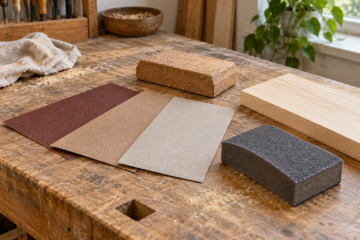
Bleaching raises the grain, so sand lightly with fresh 220-grit wood sandpaper. Do not aggressively sand away the bleached layer. On soft wood, heavy sanding can create lighter and darker patches by changing how deeply the stain penetrates. Vacuum the dust and wipe with a clean, barely damp cloth.
Look for white crystals, a slippery feel, unusual darkening when dampened, or areas that repel water. These signs suggest leftover chemical residue or uneven rinsing. Rinse and dry again instead of trying to hide the problem with stain.
Staining the neutralized wood
Apply stain only after the surface is clean, dry, and evenly sanded. Bleached wood often absorbs stain differently from unbleached wood, especially around end grain and resinous areas. A wood stain conditioner can reduce blotching on pine, fir, and other softwoods, but it may also make the final color lighter.
Make a full-size color sample whenever appearance matters. Allow the stain to dry for the same period specified for the project, then test the intended topcoat. If you need the most predictable result, a water-based dye or stain can be easier to control than a heavy oil stain, but neither will correct chemical residue underneath.
For a small project, clean water, careful rinsing, and a cheap pH test strip are usually enough. Spend more on neutralizing chemicals or specialty cleaners only when the bleach label calls for them, the wood has deep contamination, or the project’s finish and color need unusually tight control.
0 Comments