What's inside
As an Amazon Associate I earn from qualifying purchases. This post may contain affiliate links at no extra cost to you.
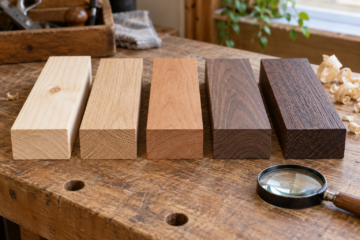
Butternut and white ash can both produce light-toned furniture, but they get there in different ways. Butternut is naturally warm and brown, with a softer, more subdued grain. White ash is usually paler, harder, and more strongly grained. A clear finish preserves those differences; stain can narrow them, though it won’t make the woods look identical.
If you want a quiet, warm surface with less contrast, butternut is the more direct choice. If you want a durable, creamy-looking finish with visible grain, white ash is often the better buy. The right choice depends on the furniture’s use, the look you want, and how much preparation you’re willing to do.
As an Amazon Associate we earn from qualifying purchases at no extra cost to you.


Our Top Picks
 Varathane Water-Based Ultimate Satin PolyurethaneHalf Pint (Pack of 1)3 x 3 x 3 inches0.64 poundsCheck on Amazon
Quick comparison
| Feature | Butternut | White ash |
|---|---|---|
| Typical color | Light to medium warm brown; heartwood may darken with age | Pale cream to light brown; sapwood is especially light |
| Grain appearance | Generally subtle and open, with occasional figure | Prominent, straight grain with strong contrast between earlywood and latewood |
| Hardness | Soft for a furniture hardwood; dents more readily | Much harder and more resistant to everyday wear |
| Light finish result | Warm, natural, and relatively low contrast | Pale, crisp, and visibly grained |
| Main finishing concern | Protecting a softer surface without making it look muddy | Preventing blotches or excessive contrast, especially with stain |
How the woods look under a light finish
Butternut is naturally tan to medium brown, sometimes with darker streaks. A clear water-based finish can keep it looking lighter than an oil finish, but it won’t turn the wood blond. Oil-based polyurethane and oil-based finishes usually add an amber cast, which can make butternut look richer but less pale. For a light, muted result, test a clear water-based topcoat on an offcut before committing.
White ash starts out much lighter. Its open, visible grain remains a major part of the finished appearance, even under clear coat. That makes ash a good fit for furniture where you want a clean light field with pronounced grain. A white-pigmented finish can push the color paler, but pigment may settle in the open grain and emphasize it. If you want a nearly uniform, smooth-looking surface, ash will take more work than butternut.
Board selection matters with both species. Butternut heartwood and sapwood can vary, while ash boards may have pronounced differences in grain and tone. Lay out the parts before finishing; otherwise, a tabletop can end up with a distracting light-dark split even when all pieces came from the same batch.
Durability and cost
White ash is the practical choice for a dining table, desk, or heavily used chair when dents and abrasion are concerns. It is substantially harder than butternut, although any wood can be scratched and a topcoat can still be damaged. Butternut is easier to cut, carve, and sand, but its surface can pick up dents from dropped objects or hard knocks. It suits cabinets, decorative panels, and furniture that won’t take constant abuse.
Price and availability vary by region, board grade, and current supply. Don’t assume butternut is automatically the budget option: local stock may be limited, while ash may be plentiful—or the reverse. Compare the cost of boards that are actually wide and clear enough for your project, not just the price per board foot. If the piece is low-wear and you find clean butternut at a good price, its lower hardness may be an acceptable trade-off.
Prepare the surface before choosing a finish
Sand both woods evenly, progressing through about 120, 150, and 180 grit for most clear-finished furniture. Going much finer can reduce stain absorption, particularly when using a penetrating stain. Remove sanding dust thoroughly, then inspect the surface in angled light. Scratches that are hard to see before finishing often become obvious once a clear coat adds contrast.
Ash’s open pores may show as a textured surface beneath the finish. That is normal, not a sanding defect. If you want a glass-smooth top, use a compatible grain filler before the topcoat, following its directions and testing the color first. Filler can muddy pale ash if it is too dark. Butternut’s grain is generally less visually prominent, so many projects can go straight from final sanding to finish.
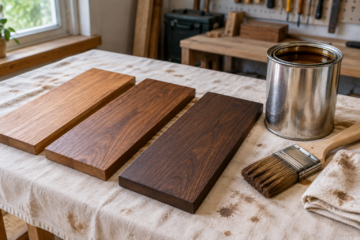
For stain, test the exact sequence on offcuts sanded the same way as the furniture. Stain can exaggerate grain contrast in ash and produce uneven patches on either species. A light coat of compatible washcoat or sealer may reduce blotching, but it also reduces stain uptake; check the label and test rather than applying one by habit. If you want a low-risk natural color, skip stain and use a clear finish.
Choose a topcoat for the job
For a light appearance, water-based polyurethane is a useful category to compare because it generally adds less amber color than oil-based polyurethane. Apply thin coats as directed by the manufacturer; many products call for light sanding between coats, often around 220 grit. Too-heavy coats can leave ridges, trapped dust, or a cloudy appearance. Use a compatible product over any stain or sealer, and follow its recoat and cure times—dry to the touch does not mean ready for heavy use.
For a dining or work surface, select a furniture-rated clear topcoat with durability suited to regular cleaning and wear. For a cabinet or occasional-use piece, a less heavy-duty finish may be adequate. A water-based polyurethane for wood is one option when keeping the color pale matters. Always test sheen as well as color: satin hides minor surface flaws better than gloss, while gloss makes scratches and unevenness more visible.
When staining ash, use a wood conditioner for staining only if the stain maker approves it for the species and finish system. Conditioner is not a guarantee against blotching, and a test board is still essential. If the sample looks too dark or striped, change the stain schedule—or leave the ash natural—rather than trying to correct the whole piece after assembly.
Which wood should you buy?
Choose butternut for a warmer, quieter light finish, especially on furniture where easy denting is not a deal-breaker. Choose white ash for a paler, harder surface when visible grain is part of the design. If durability matters more than a subtle grain, ash has the advantage; if ease of shaping and a softer, less formal look matter more, butternut may be worth its limitations.
Before buying, ask to see the actual boards or request photos in neutral light. Take a small offcut through sanding and finishing with the products you plan to use. That simple test reveals more than a species name or a stain label: it shows the real color, grain contrast, and surface feel you’ll get on the finished furniture.
0 Comments