What's inside
As an Amazon Associate I earn from qualifying purchases. This post may contain affiliate links at no extra cost to you.
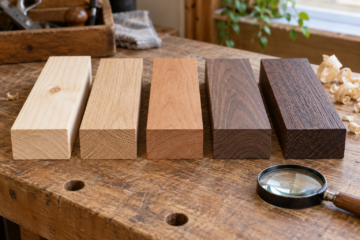
Birch and poplar are both common choices for painted cabinet doors and face frames. Either can produce a smooth result under water-based paint, but neither is ready for paint straight off the saw. The practical difference is that birch is harder and usually more dent-resistant, while poplar is often cheaper and easier to cut. For a well-prepared, fully painted cabinet, poplar is usually the better value; birch is worth considering where parts will take more knocks or where its extra hardness suits the job.
As an Amazon Associate we earn from qualifying purchases at no extra cost to you.
Our Top Picks
 Rust-Oleum Cabinet Transformations & Trim Paint32 Fl Oz (Pack of 1)4.25 x 4.25 x 4.9 InchesCheck on Amazon
Birch vs. poplar at a glance
| Factor | Birch | Poplar |
|---|---|---|
| Typical hardness | Harder; about 1,260 lbf Janka for yellow birch | Softer; about 540 lbf Janka for tulip poplar |
| Paint preparation | Sand and prime; watch for uneven absorption and grain texture | Sand and prime; seal end grain and knots or mineral streaks as needed |
| Cutting and machining | Can be tougher on cutters; prone to burning if feed is slow | Easy to machine, but dents and fuzzy edges more readily |
| Appearance under opaque paint | Usually light and fairly uniform, though grain can show | Can have green, gray, or purple streaks that may bleed or telegraph |
| Best fit | Higher-wear parts or a harder substrate | Cost-conscious painted doors, frames, and trim |
Janka figures are useful for comparing dent resistance, not for predicting the finished cabinet’s durability by themselves. Joinery, panel construction, paint film, and how the cabinets are used matter too. Birch species and poplar stock vary, so inspect the actual boards rather than assuming every piece matches the averages.
What matters under water-based paint
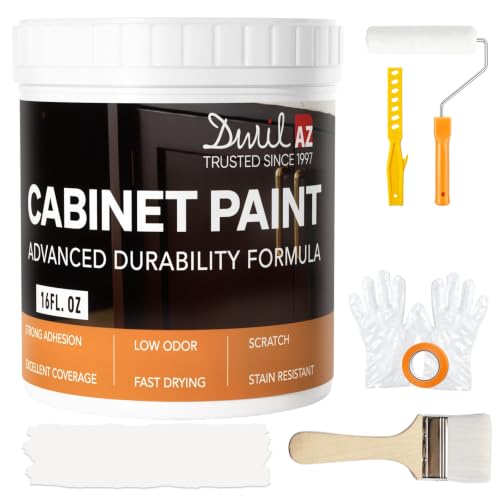
Water-based cabinet paint does not hide poor preparation. It can raise wood fibers, reveal sanding scratches, and make differences in absorption obvious, particularly under a satin or semi-gloss sheen. Start with sound, dry stock. Sand faces evenly to 150 or 180 grit; going much finer can reduce primer adhesion on some products. Ease sharp edges slightly, since paint tends to form a thin, weak film on a knife edge.
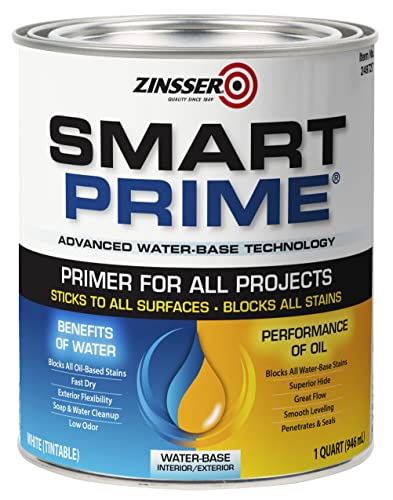
Apply a compatible primer before the finish coats. On bare wood, a quality water-based bonding or wood primer is a sensible starting point; for poplar with dark knots or colored streaks, test first. Water-based primer may not block every stain. If color bleeds through, isolate the problem areas with a stain-blocking primer labeled for that use, then proceed with the water-based topcoat if the products are compatible. Follow the labels for drying and recoat times rather than relying on a fixed schedule.
After the first coat of primer, check for raised grain and rough patches. Let it dry fully, then lightly sand with 220 grit and remove dust. Two finish coats are common, but coverage and film thickness depend on the product and application. Thin, even coats are less likely to sag than one heavy coat. Allow the finish to cure before installing hardware or stacking doors; dry-to-touch does not mean fully hardened.
When birch makes sense
Birch is the stronger choice if you expect more dents on door edges, drawer fronts, or exposed face-frame parts. Its harder surface can tolerate everyday bumps better than poplar, and it machines cleanly with sharp tools. That advantage has limits: a hard board can still chip, and a cabinet’s paint film can still scratch or fail at an unsealed edge.
Birch can cost more, and it is not automatically easier to paint. Its grain and pores may remain visible through paint, especially with a thin primer coat or a glossy finish. Sanding marks also show under sheen. Use consistent sanding and inspect with raking light before priming. For a dead-smooth, high-gloss finish, plan on more filling and sanding regardless of species.
Birch plywood is a separate buying decision from solid birch. Check the face veneer for patches, voids, and grain variation, and seal the edges carefully. Paint can reveal veneer defects that look minor before finishing.
When poplar is the better buy
Poplar is often the sensible choice for painted cabinet parts that are not taking unusually hard wear. It is widely available, generally less expensive than birch, and easier to cut and shape. That makes it a good option for face frames, rails, stiles, and painted doors when the stock is straight and dry.
The trade-off is denting. A dropped tool or a sharp impact can leave a mark more readily than on birch. Poplar can also carry green, gray, or purple streaks. These are usually hidden by opaque paint, but some discoloration can bleed through primer. Look over boards before purchase and avoid obvious problem areas when laying out visible parts. Seal end grain, which absorbs more finish than the face and can look rough or uneven if left untreated.
For either species, avoid assuming that paint will cover glue squeeze-out. Glue on the surface blocks absorption and can leave a visible glossy patch. Scrape it away without gouging the wood, then sand the area uniformly.
A practical buying and finishing plan
For a typical painted kitchen or utility cabinet, buy the straightest, clearest stock you can afford; a warped board wastes more time than a modest species-price difference. Poplar is fine for most painted frames and doors if you accept its softer surface and screen for streaks. Choose birch when added dent resistance matters enough to justify the cost. If a supplier offers both, compare the actual boards and ask whether they are kiln-dried and intended for interior millwork.
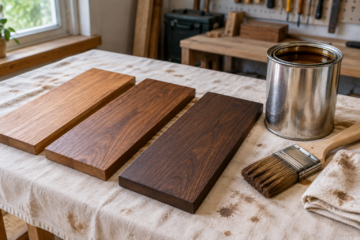
Use a water-based wood primer for cabinets that is compatible with your finish paint. For streaky or knotty poplar, keep a stain-blocking primer for wood on hand for a test patch or problem areas. Apply the full primer-and-paint system to a scrap from the same boards before committing. Check the scrap after it dries: look for bleed-through, grain texture, raised fibers, and differences in sheen.
If the test patch looks good, use the same sanding, primer, and coat schedule on the cabinet parts. If the wood color shows through, add an appropriate blocking coat; if the surface feels rough, sand lightly after primer rather than burying the texture under thicker paint. Those small checks are cheaper than repainting installed doors.
0 Comments