What's inside
As an Amazon Associate I earn from qualifying purchases. This post may contain affiliate links at no extra cost to you.
Our Top Picks
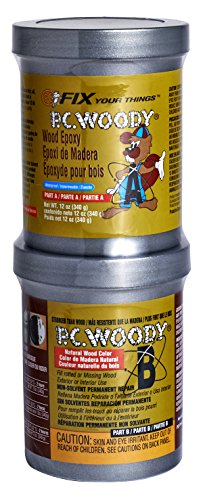 PC Products PC-Woody Wood Repair Epoxy Paste12 oz2.75 x 2.75 x 5.75 inches0.75 poundsCheck on Amazon


Choosing Glue for Loose Chair Spindles
For most loose wood chair spindles, a quality yellow wood glue is the best first choice. It is inexpensive, easy to clean up, strong enough for a properly fitted joint, and less likely to create problems during a future repair than epoxy or polyurethane glue.
The important detail is fit. Glue is not a substitute for missing wood. A spindle that fits snugly into its socket can usually be repaired with PVA wood glue. If the spindle rattles badly, the hole is oval, or the joint has large gaps, you need to rebuild the joint before choosing an adhesive.
As an Amazon Associate we earn from qualifying purchases at no extra cost to you.


For a typical indoor chair, look for an interior or interior/exterior yellow PVA wood glue. A small bottle is enough for several chair repairs, and the cheaper standard formulas are generally fine for this job.
Best Glue Types Compared
| Glue type | Best use | Advantages | Drawbacks |
|---|---|---|---|
| Yellow PVA wood glue | Snug indoor spindle joints | Strong, inexpensive, easy cleanup, reversible with moisture and heat | Needs a reasonably tight joint; poor gap filling |
| White PVA glue | Light-duty repairs and temporary household work | Cheap and widely available | Usually softer and less water-resistant than yellow glue |
| Two-part epoxy | Loose, damaged, or irregular joints | Fills gaps and bonds to some damaged surfaces | Messy, less reversible, can leave a rigid plug that fails at the wood |
| Polyurethane glue | Occasional damp-location repairs | Water-resistant and bonds many materials | Foams, needs moisture, and is not a good choice for large hidden gaps |
| Liquid hide glue | Traditional furniture and reversible repairs | Excellent for future disassembly and historically appropriate work | More sensitive to heat and moisture; less convenient for beginners |
When Yellow Wood Glue Is the Right Choice
Use yellow PVA glue when the spindle tenon or turned end still has sound wood and fits into the chair rail, seat, or backrest socket with only slight looseness. The joint should not have a visible gap wider than roughly 1/32 inch. PVA gains strength when it is held tightly together, and it performs poorly when asked to bridge open space.
Most interior yellow glues have an open working time of about 5 to 10 minutes, depending on temperature and how much glue is applied. They generally need at least 30 minutes of firm clamping and about 24 hours before the chair is put back into service. Cooler rooms, oily wood, and excess glue can extend those times.
Water-resistant Type II PVA is a sensible upgrade for kitchen chairs, mudroom furniture, or chairs exposed to occasional dampness. Type I PVA offers greater water resistance, but that extra performance is rarely necessary for a chair kept indoors. Do not confuse water resistance with waterproofing: neither type is intended for outdoor furniture left in rain.
When Epoxy Is Worth Using
Choose a slow-setting two-part epoxy when the socket is enlarged, the spindle end is chipped, or the joint has a substantial gap that PVA cannot fill. Epoxy can rebuild missing material and bond to old, slightly damaged wood. A 5- to 30-minute formula is usually easier to control than a very fast setting product; rapid epoxy leaves little time to align the spindle.
Epoxy is not automatically stronger. It is rigid, while a chair joint moves slightly under changing humidity and repeated loading. If the epoxy is holding a loose spindle in place without restoring a sound wood-to-wood fit, the repair may eventually crack at the edge of the socket. It is also difficult to remove without damaging the surrounding finish. For gap repair, use a two-part wood epoxy and follow its mixing ratio precisely.
Why Polyurethane Glue Is Usually Not the First Choice
Polyurethane glue can work, but it is often selected for the wrong reason. It expands as it cures, and the foam is weak compared with the solid adhesive underneath. Expansion can also push a spindle out of alignment or force glue onto the finished surface. The wood should be lightly dampened first, and the parts still need firm clamping.
Use polyurethane when water resistance matters or when dissimilar materials are involved. For a normal wood-to-wood chair spindle, yellow PVA is cleaner, more predictable, and usually cheaper. If you use it, wear gloves; cured polyurethane is difficult to remove from skin and upholstery.
Prepare the Joint Before Applying Glue
Do not simply inject glue into a moving joint and hope it reaches the bottom. First remove the spindle if possible. Mark its orientation with a pencil, then work it loose by twisting gently rather than levering against a thin chair rail. Protect the finish with cardboard or a folded cloth.
Scrape away old glue with a utility knife, narrow chisel, or small pick. Sand only enough to remove residue. Aggressive sanding can enlarge the spindle end and make the fit worse. A small brass brush or stiff nylon brush helps clean a socket without removing much wood. Vacuum out dust, then test-fit the spindle dry.
If the spindle is just slightly loose, brush on a thin coat of glue to both mating surfaces. Avoid filling the entire socket with glue; hydraulic pressure can prevent the spindle from seating fully. Push and twist the spindle into place, wipe away squeeze-out with a damp cloth, and clamp the joint if a clamp can reach it. A strap clamp or padded bar clamp is useful, but do not crush a thin rail.
Fixing a Badly Loose Spindle
For a small amount of looseness, a thin wood veneer strip or carefully fitted wood shaving can restore contact. Glue the strip to the spindle end, let it dry, and trim it until the spindle fits snugly. Avoid wrapping the end with paper or tape; these materials compress and quickly recreate the looseness.
If the socket is split, cracked, or visibly enlarged, repair that structural damage first. A chair that rocks or creaks at several joints may need partial disassembly rather than a spot repair. For a severely worn socket, a furniture repair professional can drill it clean and install a matching wood plug or replacement tenon. This is more durable than filling a deep cavity with adhesive.
Glue Cleanup and Finish Protection
Remove PVA squeeze-out while it is rubbery, usually after about 10 to 20 minutes. Do not scrub wet glue across a stained surface; water can soften some finishes and spread the residue into the grain. A sharp chisel held nearly flat removes dried beads more cleanly than coarse sandpaper.
Keep glue off bare areas that you plan to stain. Dried PVA seals the wood and causes pale blotches because stain cannot penetrate evenly. If glue has soaked into the surrounding grain, scrape or sand it away before refinishing, stopping as soon as the original surface is restored.
For traditional chairs or valuable antiques, liquid hide glue is a strong option because it remains repairable with heat and moisture. For ordinary modern chairs, the cheaper yellow PVA option is usually the practical choice—as long as the joint is clean, reasonably tight, and clamped until fully cured.
0 Comments