What's inside
As an Amazon Associate I earn from qualifying purchases. This post may contain affiliate links at no extra cost to you.
Outdoor wood furniture needs more than a glue labeled “water resistant.” Rain, humidity, sunlight, freeze-thaw cycles, and movement between boards can break a weak joint. The best choice depends on the joint design, the wood species, and how much direct weather the furniture will see.
As an Amazon Associate we earn from qualifying purchases at no extra cost to you.


Our Top Picks
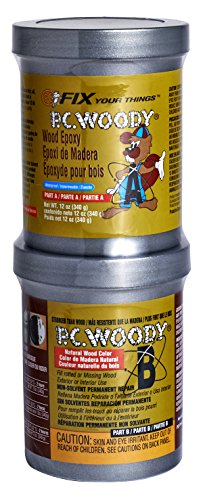 PC Products PC-Woody Wood Repair Epoxy Paste12 oz2.75 x 2.75 x 5.75 inches0.75 poundsCheck on Amazon


Best overall: waterproof Type I wood glue
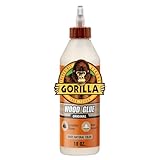
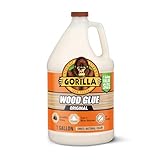
For most outdoor furniture made from reasonably dry, closely fitting wood, a waterproof Type I PVA glue is the most practical choice. It spreads easily, cleans up with water while wet, and creates a strong bond without the foaming associated with polyurethane glue. Look for products specifically rated for exterior use and labeled ANSI/HPVA Type I waterproof.
Use it for mortise-and-tenon joints, loose tenons, dowels, edge joints, and outdoor chairs or tables protected by a finish. It is usually the best balance of strength, price, and ease of use. A waterproof Type I exterior wood glue is a sensible default for furniture that will be painted, stained, or kept under a covered patio.
Its main limitation is joint movement. PVA glue performs best when the wood surfaces fit tightly and the joint is protected by a good exterior finish. It is not a filler for gaps, and it will not compensate for a loose tenon or badly warped board.
Waterproof glue options compared
| Glue type | Best use | Advantages | Limitations |
|---|---|---|---|
| Waterproof Type I PVA | Fitted furniture joints | Easy cleanup, strong, inexpensive, no foaming | Needs close-fitting surfaces; limited gap filling |
| Two-part epoxy | Gaps, repairs, end grain, mixed materials | Excellent gap filling and water resistance | More expensive, slower, harder to sand |
| Polyurethane glue | Uneven joints and some difficult materials | Waterproof and expands into small voids | Foam is weak, messy, and requires moisture |
| Exterior construction adhesive | Large, rough assemblies and non-structural attachment | Works on some porous and nonporous surfaces | Thick, flexible, difficult to clean or refinish |
When epoxy is the better choice
Choose a two-part exterior wood epoxy when the joint has small gaps, damaged wood, end grain, or dissimilar materials. Epoxy is especially useful for repairing cracked arms, filling oversized dowel holes, rebuilding worn screw holes, or bonding wood to metal hardware.
Epoxy does not depend on wood fibers making perfect contact, but it still needs a sound surface. Remove loose fibers and finish, then sand fresh wood with roughly 80- to 120-grit paper. Mix the resin and hardener in the stated ratio. A wrong ratio can leave a soft or permanently tacky repair.
Epoxy is not automatically the strongest choice for every furniture joint. It costs more, usually has a limited working time, and can be difficult to remove during future repairs. Its cured surface may also show through clear finishes. Use it where its gap-filling ability solves a real problem, not simply because “waterproof” sounds stronger.
Where polyurethane glue makes sense
Polyurethane glue is waterproof and bonds to many porous surfaces. It can work on outdoor wood projects with slightly uneven surfaces, but its expanding foam is often misunderstood. The foam that squeezes out is not a strong structural filler. The joint still needs reasonable contact, and the cured excess must be cut or scraped away.
Polyurethane glue normally needs a small amount of moisture to cure. Lightly dampen one wood surface rather than soaking it. Too much water can weaken the bond or create excessive foaming. Wear gloves: cured polyurethane is difficult to remove from skin and clothing. For most new outdoor furniture joints, waterproof PVA is cleaner and easier unless the materials or fit specifically favor polyurethane.
Surface preparation determines the result
Glue will not bond reliably over stain, paint, oil, wax, dirt, or weathered gray fibers. Plane or sand the mating surfaces until they are clean, flat, and fresh. For a typical furniture joint, 80- to 120-grit sanding is sufficient; do not polish the surfaces to 220 grit before gluing. Remove dust with a vacuum or clean, dry brush.
Check the fit before applying adhesive. A mortise-and-tenon or dowel joint should go together firmly with hand pressure or light mallet taps, but it should not require extreme force. A joint that closes only when clamped may be too tight, especially in humid weather. Glue needs room to spread into a thin film.
Dense species such as teak, ipe, and some tropical hardwoods can contain oils that interfere with bonding. Wipe freshly sanded surfaces with the solvent recommended by the glue manufacturer, allow them to dry, and glue soon afterward. Avoid relying on solvent wiping alone; oily wood still needs a clean, freshly prepared surface.
How to glue an outdoor furniture joint
Apply an even coat to the surfaces specified on the label. For PVA, a thin continuous film is better than a puddle. Assemble within the product’s open time, then clamp until the label’s minimum clamp time has passed. Many exterior PVA glues need roughly 30 minutes to several hours of clamping, with full cure commonly around 24 hours. Cool temperatures slow curing.
Keep the assembly dry during curing. Do not put fresh glue joints outside immediately after unclamping, even if the glue feels hard. Give the joint at least 24 hours, and longer in cool or damp conditions. Scrape squeeze-out after it gels but before it fully hardens, taking care not to smear glue across the surrounding wood.
Glue cannot fix poor outdoor design
Outdoor furniture joints need mechanical strength as well as adhesive. Use shoulders, tenons, dowels, screws, or bolts where the design calls for them. Avoid long unsupported edge-glued panels outdoors; seasonal moisture changes can split them even when the glue line remains intact.
Seal the finished furniture on all faces, including end grain and the undersides of parts. End grain absorbs water rapidly and is a common failure point. Use an exterior paint, penetrating exterior stain, or a compatible spar-type finish, and maintain it before bare wood appears. The cheaper waterproof PVA option is fine when the joint fits tightly and the furniture is properly finished. Spend more on epoxy when you need gap filling or structural repair—not as a substitute for accurate joinery and weather protection.
0 Comments