What's inside
As an Amazon Associate I earn from qualifying purchases. This post may contain affiliate links at no extra cost to you.
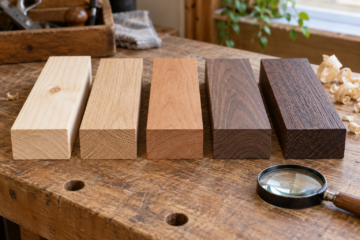
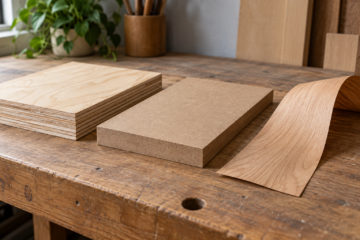
MDF, maple, and poplar can all produce a good painted cabinet finish, but they suit different parts of the job. MDF gives a smooth, stable surface for doors and panels. Maple is a hard, durable choice for cabinet frames and doors, though its grain can show through paint. Poplar is easy to machine and economical for face frames, but dents easily and can develop green or brown patches under light paint if it is not primed properly.
As an Amazon Associate we earn from qualifying purchases at no extra cost to you.



Our Top Picks
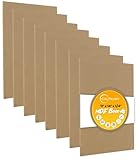
 CALPALMY 24-Pack MDF Board 1/8 Inch Thick 12"12 x 12 x 1/8" (24 Pack)12 x 12 x 0.1 inchesCheck on Amazon
 FOBSME 24 Pcs MDF Wood Boards 12x12x1/8 Inch11.81x11.81 inch12 x 12 x 3 inches10.3 poundsCheck on Amazon
 12 Pack MDF Wood Board for Crafts 12x12x1/812 x 12 inches12 x 12 x 0.2 inches0.7 PoundsCheck on Amazon
Quick comparison
| Material | Best use | Paint preparation | Main drawback |
|---|---|---|---|
| MDF | Flat doors, panels, and large painted surfaces | Seal cut edges; sand faces lightly | Heavy, vulnerable to water at edges |
| Maple | Face frames, doors, and high-wear parts | Sand evenly; use a bonding primer | Hard to machine; grain or joints may show |
| Poplar | Face frames, rails, and stiles on a budget | Prime well, especially where color varies | Soft, dents readily, uneven color can bleed through |
MDF: smooth, stable, and best for panels
Medium-density fiberboard has no natural grain, so it is a strong choice when the goal is a flat, uniform painted surface. It is commonly used for slab doors, raised-panel profiles, and cabinet end panels. It also stays flatter than solid wood through normal changes in indoor humidity, which helps reduce seasonal movement and visible joints.
The trade-off is weight and water resistance. A typical 3/4-inch MDF sheet weighs roughly 90 to 100 pounds, so large doors need sturdy hinges and careful handling. Standard MDF swells if water gets into an unsealed edge; swollen fibers do not sand back to a clean, durable surface. Keep it away from sinks and damp floors unless you use moisture-resistant MDF and protect every exposed edge. Moisture-resistant grades still are not waterproof.
Face surfaces are generally ready for light sanding, but cut edges soak up primer and paint. Sand edges smooth, then seal them before painting; a dedicated MDF primer or a thin coat of sanding sealer can help. Apply more than one coat if the edge still looks porous, sanding lightly between coats. Avoid aggressive sanding on the face, which can fuzz the fibers. For a durable finish, use a quality primer formulated for MDF, then apply paint in thin, even coats.
Maple: durable, but not grain-free
Hard maple is dense and wears well, making it a sensible choice for cabinet frames and doors that will take regular knocks. Its tight grain often looks smooth after painting, but it is still wood: grain, joints, and small surface defects can show through a glossy finish. Solid-wood rails and stiles also move with humidity, so poorly prepared joints may become visible as fine lines.
Maple’s hardness makes it less forgiving to cut and sand than poplar. Dull cutters can burn it, and uneven sanding can leave scratches that become obvious under paint. Sand progressively—often from 120 or 150 grit to 180—without skipping grits, and remove dust before priming. A bonding primer made for wood helps paint adhere; on a sample piece, check whether the grain telegraphs through after the primer dries. If you need a glass-smooth finish, fill small defects and sand the primer before applying topcoats.
Maple costs more than poplar in many markets. That extra expense is most useful where hardness matters, not necessarily on every hidden rail or broad, flat panel. For large flat painted surfaces, MDF is usually more stable and less prone to showing solid-wood movement.
Poplar: the budget-friendly frame choice
Poplar is easy to cut, rout, and sand, and it is often less expensive than maple. It works well for face frames, drawer fronts, and other painted parts that need solid wood but do not face heavy wear. Its softness is the main compromise: a dropped tool or hard impact can leave a dent that a coat of paint will not hide.
Poplar can be pale, greenish, gray, or brown, sometimes within the same board. Under white or other light-colored paint, those darker areas may bleed through if the primer does not block them. For a reliable result, test the complete primer-and-paint system on an offcut. If discoloration appears, use a stain-blocking primer rather than adding more finish coats. Water-based primers are convenient and low-odor, but stubborn tannin or color bleed may call for a shellac- or oil-based stain blocker.
Use poplar when cost and easy machining matter more than dent resistance. It is not a bad cabinet wood; it simply benefits from good priming and a realistic expectation that its surface can mark more easily than maple.
Choose by cabinet part
Cabinets rarely need to be made from one material throughout. A practical combination is MDF for flat door centers and broad panels, with maple or poplar for frames and edges that need solid-wood joinery. Choose maple for exposed, high-contact areas; choose poplar for less costly painted frames where minor dents are acceptable. If you are building full overlay slab doors, MDF is often the simplest path to a flat finish, provided the doors stay dry and the hinges are sized for their weight.
For MDF doors, use hardware suited to the panel thickness and weight. For solid-wood frames, leave room for seasonal movement in panel construction rather than gluing a wide solid panel rigidly across its full width. That prevents wood movement from pushing joints apart or cracking the paint.
Preparation that prevents paint failure
Paint does not hide poor preparation. Fill nail holes and small defects with a paintable filler, let it dry fully, and sand flush. Remove dust with a vacuum and a clean, lint-free cloth; dust left on a surface can create roughness and weaken adhesion. Apply primer to all faces and exposed edges, especially the edges of MDF and end grain on solid wood. Follow the product’s stated recoat time and temperature range rather than relying on the surface feeling dry.
Before committing to a full set of doors, finish a sample with the same sanding, primer, and paint you plan to use. Check it after drying for rough edges, visible grain, color bleed, and adhesion. For cabinet-grade paint, a waterborne cabinet paint is a common low-odor option; the right choice depends on the primer, application method, and cure time you can allow. Paint may feel dry within hours but take days or longer to reach useful hardness. Avoid stacking finished doors or fitting them tightly until the coating has cured enough to resist sticking.
0 Comments