What's inside
As an Amazon Associate I earn from qualifying purchases. This post may contain affiliate links at no extra cost to you.
Our Top Picks
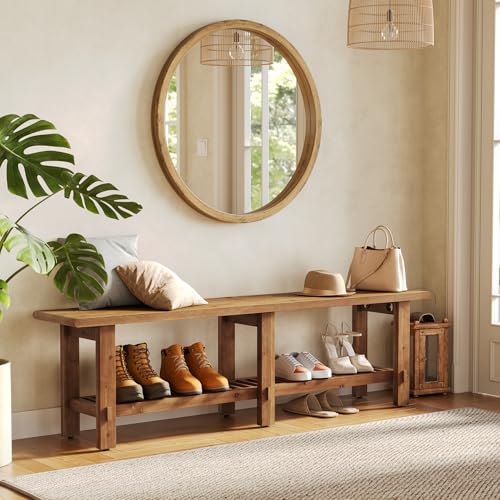
 BEEFURNI Acacia Wooden Shoe Rack Bench for Entryway11"D X 27.6"W X 17.8"H11 x 27.6 x 17.8 inches10 poundsCheck on Amazon
 1/2 pt Minwax 13407 Clear Pre-Stain Wood Conditioner1/2 Pint3 x 3.25 x 3 inches0 PoundsCheck on Amazon



Choosing the Right Wood for a Stained Entryway Bench
The best wood for a stained entryway bench is usually hard maple, white oak, ash, or cherry. These species are strong enough for daily sitting, accept stain reasonably well, and are available as boards or glued-up panels. The right choice depends less on maximum strength than on the look you want and how much finishing work you are willing to do.
For most projects, white oak is the safest recommendation. Its open grain gives stain a clear, even pattern, and it resists dents better than softer woods. Hard maple makes a cleaner, more modern bench, but it can blotch and often looks dull or muddy under dark stain. Pine is the budget option, but it needs more careful preparation and will develop dents quickly in a busy entryway.
As an Amazon Associate we earn from qualifying purchases at no extra cost to you.


Best Wood Species Compared
| Wood | Stain results | Durability | Best use |
|---|---|---|---|
| White oak | Even, pronounced grain; works with light or dark colors | High | All-purpose stained bench |
| Hard maple | Subtle grain; can blotch with dark stain | Very high | Modern, understated finish |
| Ash | Strong grain similar to oak; usually stains evenly | High | Oak-like appearance at a lower price |
| Cherry | Warm, attractive color; darkens naturally | Medium-high | Clear or lightly tinted finishes |
| Pine | Uneven absorption; prone to dark and light patches | Low-medium | Low-cost or rustic bench |
| Poplar | Often greenish or gray under stain | Medium | Painted benches, not stained ones |
Best Overall: White Oak
White oak is the easiest choice when you want a traditional stained bench without fighting the material. It has a strong but not overwhelming grain, good screw-holding ability, and enough hardness to handle shoes, bags, and repeated sitting. Quarter-sawn or rift-sawn oak produces a straighter, more restrained grain; plain-sawn boards show the familiar cathedral pattern.
Oil-based stains generally bring out oak’s grain more strongly than water-based stains. A medium brown or walnut-colored stain can look rich without hiding the wood. If the bench will sit near a door exposed to wet coats and muddy shoes, apply at least three coats of a durable clear finish after the stain, sanding lightly between coats as directed by the product.
Oak is not always cheap, especially when buying a wide, clear seat board. You can reduce the cost by using narrower boards joined edge to edge. Choose boards with similar grain direction and color, and use a waterproof or water-resistant wood glue rated for furniture work.
Maple and Ash: Strong Alternatives
Hard maple is exceptionally tough and has a fine, clean grain. It suits a simple Scandinavian or contemporary bench, particularly with a clear finish or a very light stain. The problem is absorption: dark pigment can collect in some areas and leave a blotchy surface. A pre-stain conditioner can reduce the contrast, but it cannot guarantee an even result.
Before committing to maple, make a sample from the actual board. Sand it using the same process you will use on the bench, apply the conditioner and stain, then let it dry fully. A sample made from a different piece of maple is not reliable because color and porosity vary.
Ash is often a better staining wood than maple when you want visible grain. Its texture resembles oak, though the grain can be slightly more open and its color is usually paler. Ash is strong enough for a heavy-duty bench, but it has less natural rot resistance than white oak. That matters if the bench will be placed on a damp porch rather than inside an entryway.
Cherry and Pine: When They Make Sense
Cherry is a good choice if you prefer a warm, refined bench and do not need a very dark stain. Fresh cherry is pinkish brown and becomes deeper red-brown with exposure to light. Dark stain can obscure its natural color and produce a less distinctive result. A clear water-based finish keeps it lighter; an oil-based finish adds amber warmth.
Pine is fine when the bench is inexpensive, rustic, or likely to be painted later. It is widely available and easy to cut, but its soft earlywood dents under concentrated pressure. The dark bands around knots also absorb stain differently from the surrounding wood. If you use pine, choose clear, knot-free boards when possible and expect some variation rather than trying to make it look like oak.
Poplar is usually a poor stained-bench choice. It machines well and costs little, but its green, gray, or purple tones can look unattractive under brown stain. It is a better substrate for paint, where its relatively uniform texture becomes an advantage.
Preparing the Surface for Stain
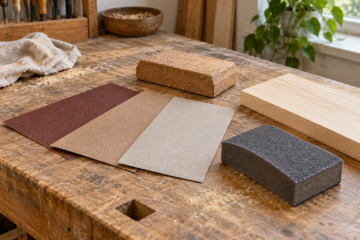
Good stain results depend more on preparation than on the label on the can. Start with a sharp blade or well-tuned jointer and planer so the surface is not torn. Sand progressively to 120, 150, and finally 180 grit for most oil-based stains. Sanding much finer than 180 or 220 grit can partially close the surface and reduce absorption, especially on maple and other fine-grained woods.
Break sharp edges with a small sanding block or a light pass of 180-grit paper. A razor-sharp edge takes stain differently and loses finish quickly. Remove glue squeeze-out completely; even a thin film can create pale streaks that stain will not cover. Wipe the surface with a vacuum and a clean, dry cloth. Avoid soaking the bench with water unless you intentionally use a water-pop process, because uneven moisture can raise grain or cause inconsistent color.
Use a wood pre-stain conditioner mainly on blotch-prone woods such as pine, maple, birch, and cherry. Test it first: some conditioners make the final color noticeably lighter. Gel stains are another option for uneven woods because they sit closer to the surface, but they can look less natural on strongly grained oak.
Choosing the Stain and Topcoat
For a first bench, a penetrating oil stain is forgiving and easy to touch up, but it needs a compatible clear topcoat after it dries. Water-based stain dries faster and keeps the wood’s color cleaner, though it can raise the grain and show sanding marks. Follow the can’s drying-time instructions rather than relying on a fixed schedule; cool, damp conditions can add many hours.
For the clear finish, polyurethane is a practical choice for an indoor entryway. Water-based polyurethane preserves pale woods and dries quickly. Oil-based polyurethane adds amber color and generally gives more open working time. Apply thin coats, sand only as directed, and allow the finish to cure before regular use. Three thin coats are more dependable than one thick coat, which can remain soft, run on vertical parts, or trap dust.
What to Buy
Choose white oak if you want the lowest-risk stained finish and can afford it. Choose ash if you want similar grain for less money, hard maple for a clean modern look, cherry for natural warmth, and pine only when price or a rustic appearance matters most. Buy an extra piece for testing, not just for insurance: the sample will reveal blotching, color, and finish compatibility before the mistake is attached to your bench.
For the finishing stage, a penetrating interior wood stain, quality synthetic-bristle brush, lint-free wiping cloths, and water-based polyurethane cover most indoor benches. Spend extra on sound, straight lumber and careful surface preparation before buying specialty finishing products.
0 Comments