What's inside
As an Amazon Associate I earn from qualifying purchases. This post may contain affiliate links at no extra cost to you.
Our Top Picks
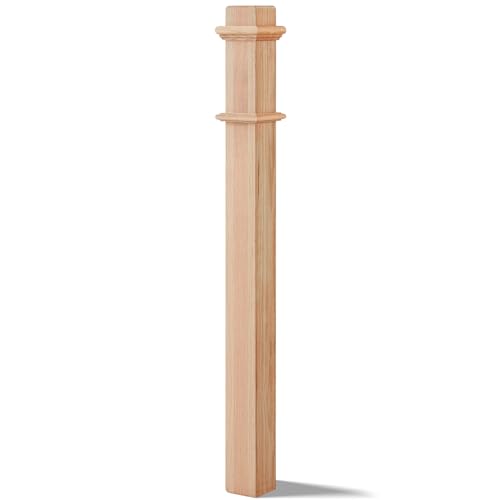
 Ekena Millwork COL03X03X35TRRW Traditional Cabinet Column3 3/4"W x 3 3/4"D x 35 1/2"H3.75 x 3.75 x 35.5 inches7.4 poundsCheck on Amazon
 3 3/4"W x 6 1/2"H x 1"P Americraft3.75-in. W x 6.5-in. H6.5 x 3.75 x 6.5 inches0.3 poundsCheck on Amazon
 1/2 pt Minwax 13407 Clear Pre-Stain Wood Conditioner1/2 Pint3 x 3.25 x 3 inches0 PoundsCheck on Amazon
What makes a wood good for stained columns
For interior columns, the best wood is usually a clear, stable hardwood that takes stain evenly and has few knots or patches. Red oak is the practical default: it is widely available, relatively affordable, and its open grain gives stain a pronounced pattern. If you want a smoother, quieter grain, consider maple or cherry, but both require more care to color evenly.
First check what the column actually is. Many decorative columns are hollow wraps built from plywood, MDF, or veneered panels rather than solid timber. The visible surface matters more than the hidden structure. If the column is load-bearing, do not alter it or substitute materials without checking its structural requirements.
As an Amazon Associate we earn from qualifying purchases at no extra cost to you.


Compare common choices
| Material | Appearance under stain | Cost and availability | Main drawback |
|---|---|---|---|
| Red oak | Strong, open grain; stain shows clearly | Usually the easiest hardwood to find | Prominent grain can look busy in a large room |
| White oak | Open grain, generally more subdued than red oak | Often costs more; availability varies | May be harder to match across boards |
| Maple | Fine, pale, low-contrast grain | Mid-range to expensive | Blotches easily with many penetrating stains |
| Cherry | Fine grain that deepens to a warm reddish brown | Usually pricier than oak | Darkens with light and age, so a fresh sample can mislead |
| Poplar | Fine grain, but often greenish or streaked | Inexpensive and easy to work | Color can be unpredictable under transparent stain |
| Veneered plywood | Depends on face veneer; can closely match solid wood | Often economical for hollow wraps | Thin veneer can sand through quickly |
Best choices by look and budget
Choose red oak for a traditional stained column. It is a good fit when the floor, trim, or nearby furniture already has visible oak grain. Red oak’s large pores absorb color and make the grain stand out. White oak is worth the upgrade when you prefer a less pink cast or need to coordinate with white-oak flooring. Buy all visible parts from the same supplier and stain a sample: boards from different sources can vary in color and grain.
Choose maple for a cleaner, lighter look only if you can test the finish. Its tight grain can look refined, but a dark penetrating stain may leave cloudy patches. A thin coat of sanding sealer or a stain conditioner can reduce uneven absorption, though it may also make the final color lighter. A gel stain can be easier to control on maple because more of the color stays near the surface.
Choose cherry for a warm, furniture-like finish. It is attractive with clear finish or a light stain, but it naturally darkens with exposure to light. A strong dark stain can hide much of the wood’s character, so compare a finished offcut against the room rather than judging a raw board.
Poplar is a sensible low-cost choice when the column will be painted, or when a solid, uniform stain color matters more than seeing natural grain. Under transparent stain, its green and brown streaks can look like defects. For large hollow columns, a sound hardwood-veneered plywood wrap is often a better value than solid boards; just avoid thin, damaged veneer and inspect seams before buying.
Buying and matching the material
Buy a sample or offcut before committing to material for a full column. Apply the exact stain and topcoat you plan to use; the clear coat often makes the color look deeper. Check the sample in the room’s daylight and evening lighting. If matching existing trim, take a removable offcut or a clear photograph with a neutral reference, but expect age and sunlight to have changed the old finish.
For column wraps, use straight, dry stock with consistent grain. Large cupped boards are difficult to fit neatly, and wide solid panels can move across their width as indoor humidity changes. Plywood or veneered panels are more dimensionally stable for broad faces. If the design uses applied trim, solid wood molding can be stained to match, but test it too: the same species can differ between flat-sawn and quarter-sawn pieces.
Prepare and stain for an even result
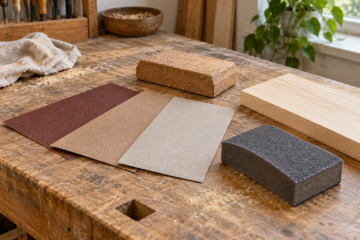
Sand bare wood evenly, usually ending at 150 or 180 grit for an oil-based penetrating stain; follow the stain maker’s instructions because finer sanding can reduce color uptake. Veneer needs a light touch: use a sanding block and stop if the face looks unusually thin. Remove dust with a vacuum and a clean, lint-free cloth. Do not try to sand through an old finish unless you have confirmed what is underneath and can remove it completely.
Test stain on the same wood, sanded to the same grit. Apply it consistently, allow the stated dwell time, then wipe off the excess. Leaving puddles or uneven residue can produce dark, sticky patches. On maple or other blotch-prone wood, test a conditioner, sealer, or gel stain before treating the whole column. Each changes absorption differently; none guarantees a perfect match.
Use a compatible clear topcoat to protect the finished surface. Let the stain dry for the full time on its label before coating it, especially in cool or humid conditions. Trapping uncured stain under a topcoat can cause tackiness or poor adhesion. A small, inconspicuous test patch is cheaper than stripping a finished column.
Useful finishing supplies
For color selection, start with a set of interior wood stain samples and test them on the actual species. If maple or another blotch-prone wood is involved, compare a pre-stain wood conditioner with gel stain on separate offcuts. Buy only after the samples dry and receive the planned clear coat.
For most stained interior columns, red oak offers the easiest balance of price, availability, and predictable results. Choose maple or cherry for their distinct looks, not because they are automatically better. When budget is tight, a good hardwood-veneered panel is often a smarter purchase than premium solid stock, provided you protect its thin face from aggressive sanding.
0 Comments