What's inside
As an Amazon Associate I earn from qualifying purchases. This post may contain affiliate links at no extra cost to you.
For stained cabinet drawer boxes, hard maple is usually the safest choice, but it is not automatically the best choice for every project. Birch, poplar, and hardwood plywood can also work, depending on the stain color, budget, and how much of the drawer box will be visible. The right material needs to machine cleanly, hold screws or nails, resist wear, and accept a reasonably even finish.
Drawer boxes are exposed to more abuse than cabinet doors. Their sides rub against guides, their joints are stressed when drawers are pulled open, and the bottom carries concentrated loads. Choose the wood for those demands first, then select a stain and preparation method that suits it.
As an Amazon Associate we earn from qualifying purchases at no extra cost to you.


Our Top Picks


Best wood choices for stained drawer boxes
| Material | Staining result | Strength and stability | Best use |
|---|---|---|---|
| Hard maple | Light, clean, but can blotch | Very hard and durable | Premium drawer boxes and light to medium stains |
| Birch | Can become uneven or muddy | Strong with good screw-holding ability | Lower-cost stained boxes |
| Poplar | Often green or gray under stain | Moderately soft | Painted boxes or hidden components |
| Cherry | Rich, attractive, and usually consistent | Strong and stable | High-end boxes with clear or reddish finishes |
| Hardwood plywood | Depends on the face veneer | Stable and economical | Drawer bottoms and budget-conscious construction |
Hard maple: the dependable premium option
Hard maple is the most common recommendation for a visible stained drawer box. It is hard enough to withstand repeated contact with drawer slides and has a fine, understated grain. Its pale color also gives you control over the final shade. A medium brown stain on maple remains fairly clean instead of being overwhelmed by a strong grain pattern.
The drawback is blotching. Maple has tight, unevenly absorbent grain, so parts of a board may take stain much darker than others. Sanding is especially important. Stop at about 150 or 180 grit; sanding much finer can close the surface and make the stain sit unevenly. Test the complete process on a cutoff, including conditioner or washcoat, stain, and clear finish.
A thin coat of sanding sealer or a compatible pre-stain conditioner can reduce dark patches, though it may also make the color lighter. Gel stain is another practical choice because it sits closer to the surface and usually gives more uniform color than a thin penetrating stain. You can compare options among maple drawer-box material suppliers before buying.
Birch: a useful lower-cost alternative
Birch is strong, widely available, and generally less expensive than clear hard maple. It is a reasonable choice when you want a light-colored hardwood drawer but do not need a premium, furniture-grade appearance. Birch plywood is particularly useful for drawer bottoms because it is flat and more dimensionally stable than solid wood.
Birch has its own finishing problem: blotching and dull-looking areas. A dark oil stain can make it look muddy, especially on large drawer sides. A conditioner, washcoat, or gel stain helps, but do not assume the result will match maple. Birch also varies considerably from board to board, so buy enough material to make test samples and keep the best-looking pieces for the visible fronts.
For a utility room, rental property, or painted cabinet interior, birch is often the smarter buy. The cheaper material is fine when the drawer sides are only occasionally seen and the finish does not need to match an expensive door or face frame.
When poplar or cherry makes sense
Poplar machines easily and costs less than most cabinet hardwoods. It is a good drawer-box material if the boxes will be painted. Under stain, however, poplar can show green, gray, or olive tones that are difficult to disguise. Use it for stained boxes only when you have tested the exact boards and finish. It is also softer than maple, so edges and corners can dent during installation.
Cherry is an excellent stained wood when its natural color and grain are part of the design. It accepts clear finishes well and develops a deeper reddish-brown color with age and light exposure. The trade-off is price, and cherry may darken noticeably over the first year. If you need drawer boxes to remain close to their original color, avoid relying on cherry without testing the topcoat and light exposure.
Choose the bottom separately
The drawer bottom does not have to be the same material as the sides. A 1/4-inch hardwood plywood bottom is common for light and medium-duty drawers. For wide kitchen drawers, use 1/2-inch plywood or a captured bottom sized for the load. A 30-inch-wide drawer holding cookware can flex a 1/4-inch bottom, particularly if the bottom is installed in a groove near the lower edge.
Use plywood with a real maple or birch face if the bottom is visible. Avoid construction plywood: its core voids, rough face, and inconsistent thickness make it difficult to finish cleanly. Lightly sand veneer plywood with 180 grit. Do not aggressively sand thin veneer, since it can expose the darker core in only a few passes. A good maple hardwood plywood is usually worth the extra cost for visible drawer bottoms.
Preparation and staining procedure
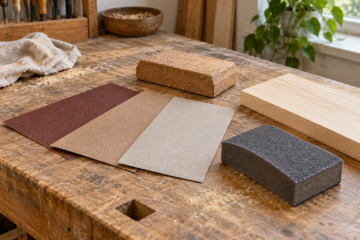
Mill or cut the parts before finishing, then sand all faces consistently. Start at 120 grit if there are saw marks, follow with 150, and finish at 180 grit. Ease sharp exposed edges with one or two light sanding passes. A completely sharp stained edge absorbs finish differently and chips more easily.
Remove dust with a vacuum and a clean, slightly damp cloth or manufacturer-approved tack cloth. Do not flood the wood with water; raised grain can create a rough surface that requires another sanding pass. Apply stain to a test piece containing both face grain and end grain. End grain often becomes much darker, so wipe it promptly or apply a light seal coat first.
Wipe off excess stain according to the product instructions, usually within a few minutes. Leaving stain pooled in corners can create soft, glossy patches that remain tacky. Allow adequate drying time before applying a clear finish. In cool or humid conditions, that may mean 24 hours rather than the label’s shortest advertised time.
Protective finish and buying advice
Two or three thin coats of water-based polyurethane preserve a light maple or birch color better than most oil-based finishes. Oil-based polyurethane adds amber color and can look good on cherry or warm brown stains. Scuff-sand between coats with 320 grit only after the previous coat has dried hard; sanding too soon can leave gummy scratches.
For most stained drawer boxes, buy clear hard maple if appearance and durability matter most, birch if value matters, and poplar only for paint or hidden parts. Pair solid wood sides with properly sized hardwood plywood bottoms, test the full stain schedule on scrap, and spend more time on surface preparation than on trying to rescue an uneven stain afterward.
0 Comments