What's inside
- What “DeWalt 20V Paint Sprayer” Actually Means in 2026
- Realistic Coverage Per Battery Pack on Latex
- Which Pack Makes Sense for Your Situation
- How the Tip Handles Clogs During Long Sessions
- Setup and Cleaning: What Actually Extends the Tool’s Life
- Cordless vs. Corded: When the 20V Platform Wins
- FAQ
- Related Guides
- What “DeWalt 20V Paint Sprayer” Actually Means in 2026
- Realistic Coverage Per Battery Pack on Latex
- Which Pack Makes Sense for Your Situation
- How the Tip Handles Clogs During Long Sessions
- Setup and Cleaning: What Actually Extends the Tool’s Life
- Cordless vs. Corded: When the 20V Platform Wins
- FAQ
- Related Guides
As an Amazon Associate I earn from qualifying purchases. This post may contain affiliate links at no extra cost to you.
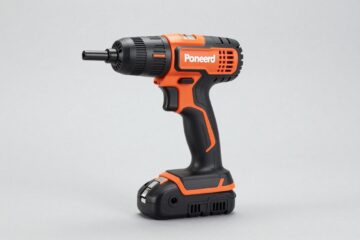
The short answer: a dewalt paint sprayer 20v setup — a cordless HVLP sprayer powered by DeWalt’s 20V MAX battery platform — is a genuinely workable option for cabinets, fences, doors, and trim, delivering roughly 30–45 minutes of spraying (about 60–90 sq ft of two-coat latex coverage) per 5Ah pack, but buyers should know one thing upfront: DeWalt does not currently manufacture a first-party 20V paint sprayer. Every tool marketed under that phrase is a third-party bare tool designed to accept DeWalt 20V MAX batteries, which changes what you should check before buying.
As an Amazon Associate we earn from qualifying purchases at no extra cost to you.


What “DeWalt 20V Paint Sprayer” Actually Means in 2026
Search results for a dewalt 20v paint sprayer almost always surface aftermarket cordless HVLP sprayers — brands like Mellif and similar makers — built with a battery shoe molded to fit DeWalt’s 20V MAX packs (DCB203, DCB205, DCB208, etc.). These are real, functional tools, but they aren’t made or warranted by DeWalt. The good news: battery compatibility is legitimate. A genuine or high-quality aftermarket 5Ah pack will seat, latch, and power these sprayers without adapters.
What this means practically:
- Battery compatibility is real — any 20V MAX pack from 2Ah up to FlexVolt-compatible sizes fits the shoe.
- Your warranty is with the third-party maker, not DeWalt, and quality varies more between brands than between specs.
- You already own the expensive part if you’re on the 20V MAX platform — bare tools in this category typically run $40–$90, versus $150+ for a corded HVLP system.
Realistic Coverage Per Battery Pack on Latex
Manufacturer claims in this category are optimistic. Realistic figures for thinned interior latex (the most common use case), based on the power draw characteristics of these ~200W-class cordless sprayers:
| Battery Pack | Approx. Runtime (spraying) | Cups of Latex Sprayed | Coverage, 1 coat | Coverage, 2 coats |
|---|---|---|---|---|
| 2Ah (DCB203) | 12–18 min | 1–1.5 | 25–35 sq ft | 12–18 sq ft |
| 4Ah (DCB204) | 25–35 min | 2–3 | 50–70 sq ft | 25–35 sq ft |
| 5Ah (DCB205) | 30–45 min | 3–4 | 60–90 sq ft | 30–45 sq ft |
| 6Ah (DCB206) | 40–55 min | 4–5 | 80–110 sq ft | 40–55 sq ft |
Assumes latex thinned roughly 10% with water, medium flow setting, ~1.5mm–1.8mm needle, and continuous trigger time. Stopping to reposition and reload reduces effective runtime per project but not per battery.
A worked example: painting six interior doors (about 21 sq ft per side, ~250 sq ft total, two coats) requires roughly 5–6 pack-cycles on a 5Ah battery. With two 5Ah packs and a DCB115 charger (~90 min per pack), you can rotate packs and work continuously, but one battery means real downtime mid-project.
Which Pack Makes Sense for Your Situation
| Your Situation | Recommended Setup | Why |
|---|---|---|
| Furniture, cabinets, small craft pieces | One 2Ah or 4Ah pack | Short sessions; lighter battery keeps the tool balanced when spraying horizontally or overhead |
| Doors, trim, a room’s worth of walls | Two 5Ah packs + fast charger | Rotating packs beats waiting on a charge; 5Ah is the sweet spot for runtime vs. wrist fatigue |
| Fences, sheds, exterior projects | 6Ah packs, or accept this is the wrong tool | Cordless HVLP is slow over large areas; past ~150 sq ft, a corded turbine or airless sprayer is faster and cheaper per square foot |
| First-time sprayer, occasional use | Bare tool + batteries you already own | Total outlay stays under ~$90; mistakes are cheap |
How the Tip Handles Clogs During Long Sessions
These sprayers ship with interchangeable copper or brass needle/nozzle sets, typically 1.0mm, 1.5mm, 1.8mm, and 2.5mm. Clogging behavior during extended use follows a predictable pattern:
- First sign isn’t a stop — it’s fan distortion. The spray pattern tails off to one side or develops a center stripe as latex skins over the nozzle face. Expect this every 1.5–2 cups with unthinned paint, every 3–4 cups properly thinned.
- Dried-tip recovery takes about 60 seconds. Most units in this class include a cleaning needle; a wipe of the nozzle face and a back-flush through the cup with water clears partial clogs without disassembly.
- Full clogs mean teardown. If the needle seat gums up, you’re removing the front cap, needle, and nozzle — a 5-minute job. Unthinned latex on a 1.0mm tip gets you here fast.
- Strain your paint. A cone strainer eliminates roughly 80% of clogs. It’s the single highest-value habit for cordless sprayers, since every clog also wastes battery.
During a single battery’s worth of continuous spraying, plan on two to four wipe-down stops with latex. Water-based polyurethane and stains clog noticeably less; oil-based products require solvent cleanup, which degrades the plastic seals in budget units over time.
Setup and Cleaning: What Actually Extends the Tool’s Life
Ownership reality: the motor outlives the seals. Here’s the maintenance sequence that matters:
- Thin and strain before every fill. Run latex through the viscosity cup (usually included) — target 25–35 seconds drain time — and through a strainer into the cup.
- Start each session with a water flush. Spray plain water for 10 seconds to confirm the path is clear before loading paint.
- Never let paint sit in the cup between coats. Latex skins over in under 20 minutes; the pickup tube and filter screen are what clog first.
- Clean by spraying water through, not just rinsing. Two cup-fulls of water sprayed through until clear, then disassemble and brush the nozzle and needle.
- Check the cup seal and filter screen monthly. These are the wear items; spares are usually included in the box. A stretched seal causes pulsing flow that mimics a clog.
Cordless vs. Corded: When the 20V Platform Wins
The dewalt paint sprayer 20v approach makes sense specifically because of mobility and platform economics — no cord across a freshly painted floor, no compressor, and no tool purchase if you own batteries. It loses on sustained duty: corded HVLP turbines deliver thicker coatings at higher flow all day, and airless units cover walls five times faster. For a whole-house repaint, buy or rent differently; for the ongoing trickle of doors, cabinets, fence repairs, and furniture, the cordless format is where the 20V batteries you already own pay for themselves.
FAQ
Does DeWalt make a 20V paint sprayer?
Not as of 2026. Tools sold under that description are third-party bare tools with a battery shoe built for DeWalt 20V MAX packs. They work, but DeWalt doesn’t manufacture or warranty them.
Will a FlexVolt battery work in these sprayers?
Yes — FlexVolt packs physically fit 20V MAX shoes and run at 20V, giving substantially longer runtime, though the extra weight affects balance on a handheld sprayer.
Can it spray unthinned latex?
With the largest needle (2.5mm) it can push unthinned latex briefly, but expect frequent tip wipes and faster battery drain. Thinning ~10% is the difference between a frustrating tool and a useful one.
Is it good for staining a fence?
Excellent fit. Stain is thin, clogs rarely, and flows at low pressure — a 5Ah pack often covers 100+ sq ft per charge with stain versus 60–90 with latex.

0 Comments