What's inside
As an Amazon Associate I earn from qualifying purchases. This post may contain affiliate links at no extra cost to you.
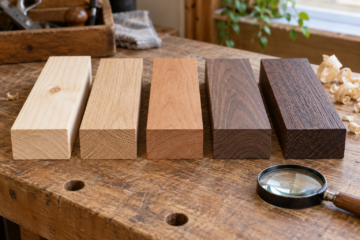
A clear-finished plant stand shows more of the wood than almost any other small project. That makes species selection important: color, grain, pore structure, movement, and water resistance will all remain visible under the finish. The best choice depends on whether you want a pale modern stand, a dark traditional look, or an inexpensive project that will be painted or kept indoors.
For most indoor plant stands, hard maple, white oak, walnut, cherry, and clear pine are practical choices. A good finish helps, but it cannot make a poorly chosen or poorly prepared board look like a premium hardwood.
As an Amazon Associate we earn from qualifying purchases at no extra cost to you.


Our Top Picks
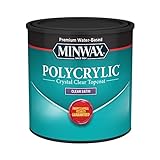
 Minwax 233334444 Polycrylic Protective Wood Finish8 fl oz2.9 x 2.9 x 3 inches0.66 poundsCheck on Amazon
 Polyurethane Wood Finish Water Based Polyurethane Clear Gloss100 ml1.6 x 1.6 x 4.7 inchesCheck on Amazon


Best overall wood species
White oak is the safest all-around recommendation for a clear-finished stand. It is hard enough to resist dents, widely available in useful sizes, and has a prominent grain that looks good under clear polyurethane, hardwax oil, or lacquer. Its natural color ranges from tan to light brown. White oak also handles occasional splashes better than many softer domestic woods, although no finish makes a stand waterproof.
Hard maple is a strong choice when you want a clean, pale appearance. It has fine, subtle grain and a smooth surface when sanded properly. Maple is harder than oak, so it holds up well under heavy pots. The trade-off is appearance: clear finishes can leave maple looking almost plain, and uneven sanding or glue spots show readily. Maple can also develop blotchy color if stained, so it is usually best left natural.
Walnut is the premium-looking option. Its chocolate brown color and relatively restrained grain make a simple plant stand look like furniture. Walnut is stable and pleasant to work, but it costs more than oak, maple, or pine. Clear finishes can slightly deepen its color, while oil-based products often add a warmer amber tone. Use walnut when the stand is a visible piece of room furniture and the extra cost is justified.
Cherry offers a warm reddish-brown color and smooth, attractive grain. It is easier to dent than maple but still plenty strong for ordinary plant pots. Cherry darkens noticeably with light exposure, sometimes changing from pinkish tan to deeper reddish brown over several years. That aging is part of its appeal, but it means freshly made replacement parts may not match the original stand.
Wood species compared
| Species | Appearance under clear finish | Durability | Cost and difficulty | Best use |
|---|---|---|---|---|
| White oak | Bold grain, tan to medium brown | High | Moderate; easy to source and work | Best general-purpose stand |
| Hard maple | Very pale, fine and understated grain | High | Moderate; sanding and glue cleanup matter | Minimalist or Scandinavian-style designs |
| Walnut | Dark brown, usually straight grain | Moderate to high | High; easy to machine but expensive | Premium furniture appearance |
| Cherry | Warm reddish brown that darkens with age | Moderate | Moderate to high | Traditional furniture styling |
| Clear pine | Light color, visible knots and soft grain | Low to moderate | Low; easiest budget option | Painted, rustic, or low-cost stands |
When pine is enough
Clear pine is not automatically a bad choice. It is fine for a small indoor stand holding a modest pot, especially if the stand will be painted or used in a low-traffic area. Choose the straightest, clearest boards you can find and reject pieces with loose knots, deep pitch pockets, or severe grain runout.
Pine dents easily. A heavy ceramic pot can leave a compression mark if it is dragged, and narrow legs can split if screws are driven too close to an edge. Pine also contains soft earlywood that absorbs finish differently from the harder latewood, producing a striped or uneven appearance. If you want to stain pine, apply a pre-stain wood conditioner first, or use a gel stain. For a natural look, clear water-based finish usually preserves a lighter color than oil-based polyurethane.
Do not use construction lumber for a clear-finished stand unless you are prepared to sort, dry, and surface it carefully. Typical framing boards may be wet, twisted, heavily knotted, and marked from rough handling. Furniture-grade pine costs more but saves time in milling and filling defects.
Moisture and finish selection
Plant stands face a specific moisture problem: water collects under the pot, then remains against the top for minutes or hours. Always use a saucer, even with a water-resistant finish. Wipe spills promptly, and leave a small air gap beneath the pot when the design allows it.
For indoor use, three or four coats of a quality water-based polyurethane provide a practical balance of protection and appearance. Lightly sand between coats with 320-grit abrasive after the previous coat has dried. Water-based finishes stay relatively clear and dry quickly, but they can raise the grain on the first coat.
Oil-based polyurethane gives more warmth and usually builds a tougher-feeling film, but it ambers pale woods and takes longer to dry. Hardwax oil is easy to repair and leaves a natural, low-build surface, but it is less forgiving of standing water and may need maintenance. For a plant stand, a film finish is generally the safer choice for the top surface.
Surface preparation before finishing
Sand solid hardwood progressively from 120 to 180 grit, then stop at 180 or 220 grit depending on the finish. Going much finer can burnish some woods and reduce absorption without improving the final appearance. Soft pine often looks better when sanding stops at 150 or 180 grit rather than being polished excessively.
Remove every glue smear before finishing. Dried glue blocks stain and creates pale patches under clear coats. Scrape squeeze-out while it is rubbery, then inspect joints under raking light. A damp cloth can reveal glue residue on unfinished wood, but let the board dry fully before sanding.
Ease exposed edges with one or two light sanding passes. A sharp edge holds less finish and chips more easily. On a plant stand, a small 1/16-inch to 1/8-inch roundover is usually enough. Sand end grain carefully because it absorbs finish more heavily and can turn darker than the surrounding faces.
What to buy
Choose white oak for the best combination of appearance, toughness, and availability. Choose hard maple for a light, simple look, walnut when the stand is meant to be a focal piece, and cherry when you like warm color that will mature over time. Buy pine when budget matters or the stand will be painted. Regardless of species, select straight, dry stock, seal all surfaces—including the underside—and protect the finished top from standing water.

0 Comments