What's inside
As an Amazon Associate I earn from qualifying purchases. This post may contain affiliate links at no extra cost to you.
A wooden mirror shelf has to do two jobs: look good next to glass and hold everyday items without sagging or getting marked by a damp bottle. For a clear finish, the best species are usually maple, cherry, and oak. Each takes a clear coat differently, and none is automatically the right choice for every shelf. Thickness, grain, surface preparation, and the finish itself matter just as much.
As an Amazon Associate we earn from qualifying purchases at no extra cost to you.


Our Top Picks
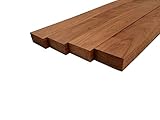
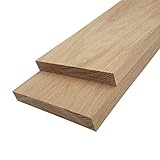
 Barrington Hardwoods Red Oak Lumber Board3/4" x 2" x 48"100 x 100 x 50 Centimeters5 poundsCheck on Amazon
 Barrington Hardwoods Domestic Variety Pack 5 Walnut3/4" x 2" x 12"12 x 2 x 0.75 inchesCheck on Amazon
 Minwax 233334444 Polycrylic Protective Wood Finish8 fl oz2.9 x 2.9 x 3 inches0.66 poundsCheck on Amazon


Choose for the look you want
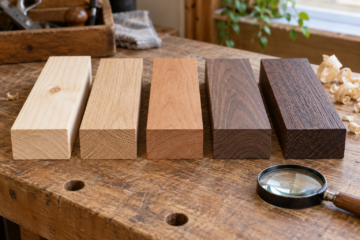
Maple is a strong pick for a pale, clean appearance. Its fine, closed grain makes a smooth shelf and keeps the surface from looking busy beside a mirror. Cherry starts lighter and deepens to a warm reddish brown with age and light exposure. Oak has prominent grain and a more rustic, traditional look; its open pores remain visible unless you fill them.
For a small shelf that will be seen close up, buy a clear, straight-grained board rather than choosing by species name alone. Look for flat stock without large knots, checks, or end splits. A clear finish does not hide defects: it often makes uneven color, glue smears, and scratches more noticeable.
Wood species compared
| Species | Appearance under clear finish | Workability and trade-offs | Good fit |
|---|---|---|---|
| Maple | Pale, subtle grain | Hard and durable; sanding scratches and glue spots can show clearly. Stain may go blotchy. | Modern, light-colored shelves |
| Cherry | Warm, fine grain that darkens with age | Easy to work and finish; color can vary between boards and changes with light. | Warm interiors and furniture-style shelves |
| Red or white oak | Bold, open grain | Durable, but pores show through a simple clear coat. Red oak is pinker; white oak is generally browner. | Traditional or rustic designs |
| Poplar | Usually pale, sometimes greenish or streaked | Inexpensive and easy to cut; softer and less consistent in color than maple or cherry. | Budget shelves, especially when appearance is secondary |
Best all-around buy: maple
For a crisp, light shelf, choose hard maple if the budget allows. It resists dents better than poplar and takes a clear film finish without the pronounced pores of oak. Its drawback is that pale, even wood is unforgiving: a glue fingerprint or coarse sanding scratch can stand out under finish. Maple can also look slightly yellow under some oil-based clear coats, so test the finish on an offcut before coating the shelf.
If the shelf is short and lightly loaded, poplar is a reasonable cheaper option. It is commonly sold at a lower price than clear maple, though board color varies and it can dent more easily. A clear coat will not make green or gray streaks disappear. Pick through the stock in person if color matters, or use poplar where its uneven appearance will not bother you.
Choose cherry for a warmer finish
Cherry is often the easiest route to a refined, warm-toned shelf without stain. A clear finish brings out its color, and the wood naturally darkens as it is exposed to light. That change is normal, but it means a new shelf may not match an older cherry cabinet right away.
Buy enough stock from the same board for a pair of shelves, since separate boards can differ in color. If you want to keep cherry lighter, a water-based clear finish usually adds less amber tone than many oil-based finishes. It will not prevent the wood’s natural color change.
Choose oak when you want visible grain
Oak is a good choice when its open, striped grain is part of the design. A clear film finish leaves the pores visible, giving the shelf texture rather than a glass-smooth look. Filling the pores can create a flatter surface, but it adds work and may change the grain’s contrast. For a narrow mirror shelf, that extra step is rarely necessary unless a very smooth finish is important.
Red oak is widely available and often costs less than white oak. White oak tends to have a browner, less pink cast and is a sound option when the shelf needs to coordinate with white-oak furniture. Compare actual boards: species labels do not guarantee a perfect color match.
Thickness and support matter
Even durable wood can sag if the shelf is long and thin. For a shelf around 18 to 24 inches long and 5 to 7 inches deep, 3/4-inch solid stock is a sensible starting point for ordinary bathroom items, provided the brackets or wall cleat are firmly anchored. Longer spans, heavier objects, or weak wall attachment call for more support, not just a harder species. A clear finish does not protect a shelf from excessive bending.
Keep the shelf’s front edge smooth and slightly eased. A small 1/16- to 1/8-inch roundover feels better in use and helps prevent a sharp edge from chipping. Avoid leaving end grain rough; it absorbs finish differently and can look darker or patchy.
Prepare the surface before coating
Sand with the grain, moving from 120 grit to 150 or 180 grit for most clear finishes. On maple and cherry, inspect under raking light after each grit; deep scratches often become obvious only after the finish goes on. Do not jump from coarse paper straight to fine paper. Vacuum the dust and wipe with a clean, dry cloth. Avoid oily tack cloths unless the finish maker specifically recommends them.
Apply the same finish to an offcut first. A water-based polyurethane keeps pale woods closer to their raw color; an oil-based polyurethane adds amber warmth and is generally straightforward to apply. A water-based polyurethane clear finish is a practical category to compare when you want less yellowing. Follow the label for coat count and recoat time, and allow the finish to cure before placing items on the shelf. “Dry to touch” does not mean fully hardened.
Make the choice by appearance and use
Choose maple for a pale, restrained look and good dent resistance; cherry for warmth without stain; and oak for bold, visible grain. Poplar is fine when the shelf is lightly used and its color variation is acceptable. Whichever species you buy, check the board, prepare it carefully, and test the clear coat on scrap. Those steps do more for the finished appearance than choosing a premium species and rushing the sanding.

0 Comments