What's inside
As an Amazon Associate I earn from qualifying purchases. This post may contain affiliate links at no extra cost to you.
For a stool that will get a clear finish, the best wood is not necessarily the hardest or most expensive. It needs to sand evenly, have a grain you like, and be dry and sound enough to stay flat. For most projects, maple is the safest choice for a pale, smooth seat; cherry is a good pick for warm color; and straight-grained, knot-free pine is a sensible budget option when the stool will see light use.
As an Amazon Associate we earn from qualifying purchases at no extra cost to you.

Our Top Picks
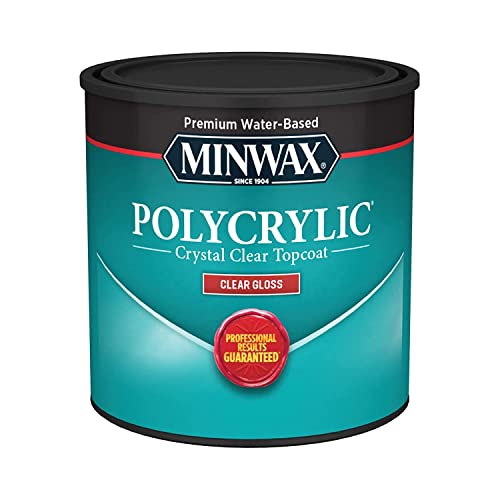 Minwax 1/2 pt 25555 Clear Polycrylic Water-Based Protective8 fl oz2.9 x 2.9 x 3 inches0.65 poundsCheck on Amazon
 Minwax 622224444 Polycrylic Protective Wood Finish32 fl oz4.4 x 4.4 x 5 inches2.2 poundsCheck on Amazon
 1 gal Minwax 13333 Clear Polycrylic Water-Based Protective128 fl oz6.88 x 4.25 x 7.88 inches2.2 poundsCheck on Amazon
 Minwax 1 qt Minwax 65555 Clear Polycrylic Water-Based32 fl oz4.3 x 4.9 x 4.9 inches2.25 poundsCheck on Amazon
 Polyurethane Wood Finish Water Based Polyurethane Clear Gloss100 ml1.6 x 1.6 x 4.7 inchesCheck on Amazon
What makes a good clear finish
A clear coat does not hide defects. It can make color and grain look richer, but it also highlights scratches, glue smears, dents, and uneven sanding. Wood with a uniform texture is easier to prepare than wood with alternating hard and soft grain. Open-pored species such as oak can still take a smooth finish, but the pores remain visible unless you fill them.
For a typical indoor stool, choose kiln-dried lumber with a moisture content around 6–9%. Avoid boards with loose knots, cracks, twist, or a pronounced change in grain where a leg or seat needs strength. A clear finish also changes color: maple usually ambers slightly, while cherry darkens substantially with light and time.
Best wood species for a stool
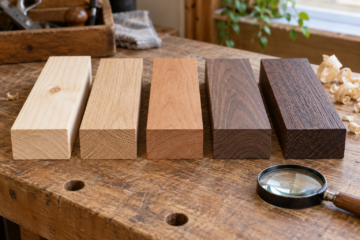
| Species | Look under clear finish | Workability and durability | Best fit |
|---|---|---|---|
| Hard maple | Pale, fine, fairly even grain | Hard and wear-resistant; can burn or show sanding marks if worked carelessly | Clean, light-colored stools and heavy use |
| Cherry | Warm reddish-brown; deepens with age | Machines and sands well; softer than maple but suitable for indoor seating | A refined look with natural color variation |
| Beech | Light, subtle grain with small flecks | Hard and strong; can move with humidity changes | Simple, sturdy stools where available |
| White oak | Prominent grain and visible pores | Strong and durable; pore filling takes extra work | A bold, traditional grain pattern |
| Pine | Strong contrast between pale wood and growth rings | Inexpensive and easy to cut; dents easily and resinous knots can bleed | Budget projects and light-duty stools |
Choose by appearance and use
Hard maple is the most dependable choice for a smooth, light finish. Its tight grain gives a refined surface without pore filling, and its hardness helps the seat resist dents. The trade-off is that hard maple can be unforgiving during sanding: coarse scratches are easy to miss, and aggressive sanding or a dull cutter can leave burn marks. Buy straight, clear stock rather than paying extra for figured maple unless you specifically want a dramatic pattern.
Cherry is easier to bring to a polished-looking surface and has more warmth than maple. Its color changes noticeably with exposure to light, so a new stool may look lighter and more pink than it will after months or years indoors. Cherry is a good choice when that aging is welcome, but do not expect the original color to stay fixed under a clear coat.
Beech is a practical alternative to maple for a pale, durable stool. It is often used in furniture and bends well, but it can change shape with moisture. Keep the seat and parts at a similar moisture level before assembly, and seal all faces rather than finishing only the visible top.
White oak is strong and visually distinctive, but its open pores are part of the look. A film finish alone will leave them visible. If you want a glass-smooth surface, use a compatible grain filler before the topcoat; that adds time and can alter the appearance. For a simpler job, accept the texture instead of trying to make oak look like maple.
Pine is fine when price matters or the stool is decorative or lightly used. It sands quickly, but a seat can pick up dents from everyday contact. Knots may also release resin or darken beneath a clear finish. Choose clear, kiln-dried boards and reject loose knots in legs and load-bearing joints. A cheaper softwood stool is not a bargain if the seat needs a hard-wearing surface and will be used daily.
Buying the wood
Inspect the actual board if possible. Look along its length for bow, cup, and twist, and check both faces for dents or fuzzy grain. For a seat, allow enough thickness to flatten and sand without ending up undersized; a 1-inch-thick blank is a common starting point, though the final dimensions depend on the design. Match the grain and color of the seat parts before cutting. For legs, prioritize straight grain and sound stock over dramatic figure.
If you are comparing materials, hard maple boards can be worth the extra cost for a frequently used stool. For a basic softwood build, clear kiln-dried pine is a reasonable lower-cost option; inspect for knots and warping rather than buying by species name alone.
Sand for the finish you want
Flatten joints and remove glue before sanding the whole surface. Dried glue blocks stain and can leave a pale patch under clear finish. Start with 80 or 100 grit only if you need to remove machining marks or level a joint; otherwise, begin at 120. Progress through 150 and 180, removing the previous grit’s scratches each time. For most clear film finishes, stopping at 180 or 220 is enough. Sanding much finer can reduce adhesion for some coatings and wastes time.
Use a light angled view to find scratches before applying finish. Vacuum the dust and wipe with a clean, dry cloth; avoid oily tack cloths unless the finish maker approves them. On oak, decide whether to leave the pores open or apply a suitable grain filler. On pine, sanding evenly matters because soft earlywood can dish out faster than the harder growth rings.
Finish and common failures
For a natural look, a clear water-based polyurethane tends to preserve a lighter color, while oil-based polyurethane usually adds amber warmth. Apply thin coats according to the label and sand lightly between coats only when directed. A water-based clear polyurethane is a practical choice for maple when you want less color shift. Test the full finishing schedule on an offcut from the same board; species, cut, and product can all change the result.
Common failures are usually preparation problems: scratches that become obvious after the first coat, glue spots that repel finish, and rough patches where dust settled into a wet film. Let each coat dry fully before sanding or recoating. A stool seat needs a durable, fully cured finish before regular use; “dry to the touch” is not the same as cured. If you want the least fussy route to a smooth pale result, choose clear hard maple, sand carefully to 180 or 220 grit, and use a compatible clear finish in thin coats.
0 Comments