What's inside
As an Amazon Associate I earn from qualifying purchases. This post may contain affiliate links at no extra cost to you.
When a wood finish has to dry quickly, shellac and lacquer are usually the first choices. Both can be recoated far sooner than oil-based varnish or polyurethane, but they behave differently on the bench. Shellac is easier to repair and more forgiving over unknown surfaces. Lacquer builds a smoother, harder film faster, especially when sprayed. The better choice depends on the wood, the application method, and how much abuse the finished piece will receive.
As an Amazon Associate we earn from qualifying purchases at no extra cost to you.


Our Top Picks
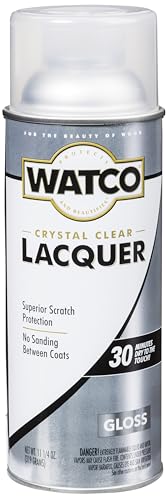 Watco Clear Gloss Lacquer Finish Spray0.09 Gallon (Pack of 1)2.69 x 2.69 x 7.88 inches0.9 PoundsCheck on Amazon


Drying Speed and Workflow
Shellac dries because its alcohol solvent evaporates. A thin coat is often dry to the touch in 15 to 30 minutes at normal room temperature, and you can commonly recoat after 30 to 60 minutes. A cool, damp shop or a heavy coat can stretch those times considerably.
Lacquer uses fast-evaporating solvents and can become touch-dry in 5 to 15 minutes. Many products can be recoated in 15 to 30 minutes. That speed is useful when finishing several cabinet doors or building multiple coats in one day. However, lacquer needs good ventilation, and spraying creates overspray that can settle on nearby tools, floors, and unfinished wood.
Neither finish should be judged only by how quickly it stops feeling wet. A soft finish can still be vulnerable to fingerprints, dents, and solvent damage. Allow finished parts additional time before packing, stacking, or putting them into service.
Where Shellac Works Best
Shellac is a natural resin dissolved in alcohol. It is available as clear or amber flakes, premixed liquid, and aerosol or brushable products. It sticks well to clean, sanded wood and is an excellent barrier coat over resinous knots, smoke odors, water stains, and questionable old finishes.
It is also easy to repair. Fresh shellac partially dissolves and bonds to the previous coat, so sanding between thin coats is often minimal. A two- or three-pound cut makes a practical brushing or padding finish; thinner coats flow more easily and are less likely to leave ridges.
The main weakness is moisture and alcohol resistance. Shellac can turn cloudy or soften when exposed to standing water, alcohol, or repeated condensation. It is a good finish for furniture, trim, boxes, and interior decorative work, but it is a poor choice for a bar top, bathroom vanity, or outdoor project. A hot mug may also leave a mark if the film is not sufficiently built and cured.
For a low-risk purchase, look for dewaxed shellac. Dewaxed shellac is especially useful as a universal sealer beneath water-based finishes, lacquer, and many varnishes. Waxed shellac can cause adhesion problems with some topcoats.
Where Lacquer Works Best
Lacquer produces a tougher, more water-resistant film than shellac and is a common production finish for cabinets and interior furniture. New coats partially melt into earlier coats, which helps the finish level and makes spot repairs less conspicuous. It also sands and buffs well after the film has hardened.
Brushing lacquer is available, but spraying is normally the better method. A spray gun or aerosol lays down thinner, more even coats and reduces brush marks. Apply three to five light coats rather than one wet coat. Heavy coats can sag, trap solvent, or remain soft underneath while the surface appears dry.
Lacquer’s solvent load is the serious drawback. Use it only with strong cross-ventilation, appropriate respiratory protection, eye protection, and no ignition sources. A standard dust mask does not protect against solvent vapor. Read the product’s safety data and local disposal requirements before starting.
Lacquer can also attack some existing finishes, adhesives, and plastics. Test it on an inconspicuous area, particularly when refinishing veneer, laminate, painted surfaces, or an old finish of unknown type. For a small repair or occasional project, clear spray lacquer is convenient, but it still requires ventilation and careful masking.
Shellac vs. Lacquer at a Glance
| Factor | Shellac | Lacquer |
|---|---|---|
| Typical recoat time | 30–60 minutes | 15–30 minutes |
| Best application | Brush, pad, or spray | Usually spray |
| Water resistance | Limited | Good for interior use |
| Alcohol resistance | Low | Usually better, depending on formula |
| Repairability | Excellent | Good, especially with fresh lacquer |
| Odor and hazards | Strong alcohol odor; flammable | Very strong solvent odor; highly flammable |
| Best use | Sealing, furniture, restoration, interior wood | Cabinetry, production work, tougher interior surfaces |
Preparation and Application
Start with clean, dry wood sanded through 120 or 150 grit, then finish at 180 or 220 grit for most furniture. Remove dust with a vacuum and a clean, dry cloth. Do not flood the surface with water or solvent just before finishing; trapped moisture or residue can cause cloudiness and adhesion failure.
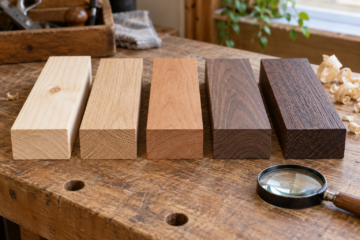
On open-grained oak, ash, and mahogany, neither finish will automatically create a pore-filled, glass-smooth surface. Use a compatible grain filler first if that appearance matters. On pine, fir, and other softwoods, a thin shellac washcoat can reduce uneven absorption before staining. Let it dry, then scuff lightly with 320 grit. A heavy sealer coat can prevent stain from penetrating at all.
Apply either finish in thin coats. Shellac can be brushed with the grain using a good natural- or synthetic-bristle brush, then lightly sanded with 320 or 400 grit after it dries. Lacquer should generally be sprayed in overlapping passes, keeping the nozzle moving. If a coat looks wet and glossy for several minutes, it was probably applied too heavily.
Which One Should You Buy?
Choose shellac when you need a forgiving sealer, are brushing rather than spraying, want easy repairs, or are working on an older piece with uncertain surface contamination. It is also the cheaper and simpler option for a decorative project that will not see standing water, alcohol, or heavy wear. A small can of brushable clear shellac is enough for many small projects.
Choose lacquer when speed, a hard film, and a sprayed production finish matter more than low odor and simple cleanup. It is a strong choice for interior cabinets and furniture, provided you can safely control the fumes and overspray. If the project will face outdoor weather, frequent wetting, or severe heat, skip both and use an exterior-rated varnish or another finish designed for that exposure.
0 Comments