What's inside
As an Amazon Associate I earn from qualifying purchases. This post may contain affiliate links at no extra cost to you.
For most interior wood projects, “varnish” and “polyurethane” are not truly opposite finishes. Polyurethane is a resin used in many modern varnishes. In the store, though, varnish usually means a traditional oil-based or water-based clear finish, while polyurethane usually means a tougher film finish labeled specifically for floors, furniture, or general woodwork.
The practical choice comes down to appearance, drying time, durability, and how much application hassle you can tolerate. For a dining table, desk, cabinet, or hardwood floor, the right product matters less than proper surface preparation and applying a film of the correct thickness.
As an Amazon Associate we earn from qualifying purchases at no extra cost to you.


Our Top Picks
 Minwax Fast Drying Polyurethane Protective Wood FinishQuart4.1 x 4.1 x 5.1 inches1.95 PoundsCheck on Amazon
 Minwax Fast Drying Polyurethane Spray11.5 Ounce (Pack of 1)2.7 x 2.7 x 8.15 inches0.9 poundsCheck on Amazon
 Varathane Water-Based Ultimate Satin PolyurethaneHalf Pint (Pack of 1)3 x 3 x 3 inches0.64 poundsCheck on Amazon

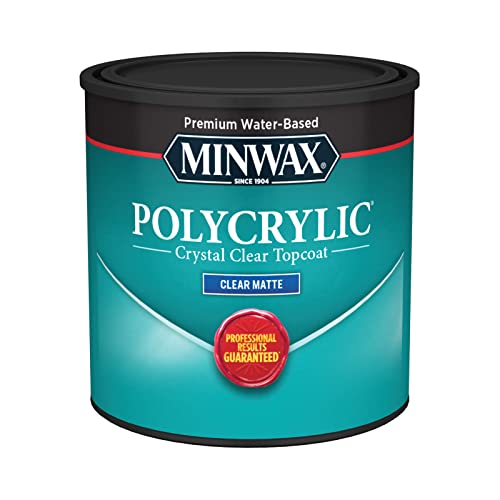
Key Differences Between Varnish and Polyurethane
| Factor | Varnish | Polyurethane |
|---|---|---|
| Typical durability | Moderate to high, depending on formulation | High, especially in floor and oil-based formulas |
| Appearance | Often warmer and more natural-looking | Clearer in water-based products; amber in oil-based products |
| Drying time | Often 8 to 24 hours between coats | Water-based: about 2 to 4 hours; oil-based: commonly 8 to 12 hours |
| Odor and cleanup | Depends on the solvent; oil formulas smell strongly | Water-based cleans with water; oil-based requires mineral spirits |
| Best use | Decorative furniture and projects where color and flow matter | Tables, desks, cabinets, floors, and high-use surfaces |
Read the label rather than relying on the front-panel name. A water-based polyurethane and a water-based acrylic varnish may perform similarly on a lightly used bookshelf. A floor polyurethane, however, is formulated for much heavier abrasion than a basic interior varnish.
Choose by the Wood’s Use
For a bookcase, picture frame, wall shelf, or trim, a standard interior clear coat is usually enough. These surfaces see little abrasion, so paying extra for a floor-grade product may add cost without a meaningful benefit. A water-based polyurethane clear finish is a sensible low-odor choice for this category of work.
Dining tables, kitchen islands, desks, and bathroom cabinets need more resistance to moisture, spilled drinks, and repeated wiping. Polyurethane is generally the safer purchase here. Oil-based polyurethane creates a harder-feeling film and often hides minor application marks better, but it turns pale woods noticeably amber over time.
For floors, use a product specifically labeled for floors. Do not substitute a furniture varnish simply because it is cheaper. Floors experience grit, chair movement, footwear, and concentrated impact from furniture legs. Water-based floor polyurethane dries faster and keeps wood closer to its original color. Oil-based floor polyurethane is slower and smellier but remains popular for its warm color and forgiving flow.
For a carved object, antique restoration, or a surface where a thin, hand-rubbed look is important, varnish or another traditional finish may look better than a thick plastic-like film. The trade-off is usually lower resistance to standing water and abrasion.
Appearance, Color, and Sheen
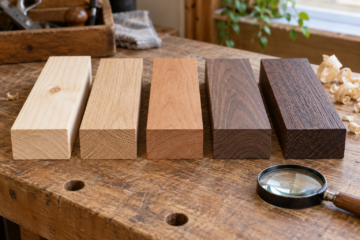
Oil-based products add a warm amber tone. This can improve walnut, cherry, mahogany, and many dark-stained woods, but it can make maple, ash, birch, and white oak look yellow. The color continues to deepen as the finish ages. Test on an offcut or the underside of the project before coating the visible surface.
Water-based finishes are a better choice when you want pale wood to stay pale. They dry clear or slightly cloudy until fully dry, and they usually have lower odor. Their main weakness is that they can look less rich and can show lap marks, drips, or brush strokes if applied too heavily or overworked.
Gloss shows scratches and surface defects more readily. Satin is the most practical sheen for furniture because it hides light wear while remaining easy to clean. Matte finishes hide reflections but can look cloudy if applied over a poorly prepared surface. Sheen is not a substitute for sanding; even satin finish will reveal deep scratches under side lighting.
Surface Preparation Determines the Result
Sand bare wood progressively rather than jumping straight to a very fine grit. For most interior furniture, use 80 or 100 grit to remove milling marks, 120 grit to level the surface, and 150 or 180 grit for the final pass. On soft woods, stopping around 150 grit can prevent the surface from becoming too burnished to accept stain evenly.
Remove all dust with a vacuum and a clean, dry cloth. Avoid flooding the wood with water unless you intend to raise the grain first. If you are staining, allow the stain to dry fully according to its label. Clear coat applied over uncured stain can remain tacky for days or wrinkle.
On previously finished wood, clean away wax and grease, then scuff-sand until the old sheen is gone. A new coating can fail by peeling if it is applied over a glossy, contaminated surface. When the old finish is flaking or damaged, sanding alone is not enough; remove the loose coating completely.
How to Apply Either Finish
Stir the finish slowly. Shaking creates bubbles, and vigorous stirring can pull settled flatting agents into the liquid unevenly. Apply a thin, even coat with a quality synthetic brush for water-based products or a natural-bristle brush for many oil-based products. A short-nap roller can work on broad panels, but back-brush immediately to level the texture.
Do not keep brushing after the finish starts to tack. That creates ridges and cloudy areas. Follow the label’s recoat time, then lightly sand between coats with 220 or 320 grit when the instructions call for it. Remove the sanding dust before recoating. Two or three coats is common for furniture; high-use surfaces may need three or four thin coats.
Spraying can produce the smoothest finish, but it requires masking, ventilation, and the correct respirator and cleanup procedure. It also wastes more material and gives you less margin for error with runs. For a first-time project, brushing a water-based product is usually simpler.
Drying, Curing, and Safety
“Dry” does not mean fully cured. A water-based finish may be ready for light handling in a day but need roughly one to two weeks before heavy use. Oil-based finishes can remain soft for several days and may need two to four weeks to reach full hardness. Do not place rugs, appliances, or heavy objects on a newly finished surface until the label permits it.
Ventilate the room, but avoid blowing dust directly onto the wet coating. Oil-soaked rags can self-heat and ignite. Lay them flat outdoors to dry or store them submerged in water inside an approved metal container, following local disposal rules.
Which One Should You Buy?
Choose water-based polyurethane when low odor, fast recoating, and minimal color change matter most. Choose oil-based polyurethane when you want a warmer appearance, longer open time, and a finish that is often more forgiving during brushing. Choose a conventional varnish when its particular look or flexibility matters and the surface is not exposed to severe wear.
For a normal indoor table or cabinet, the oil-based polyurethane wood finish is not automatically better than water-based; it is simply a different compromise. For a lightly used shelf, the cheaper interior wood varnish is perfectly adequate. Spend more on floor-rated polyurethane only when the project will actually receive floor-level abuse.
0 Comments