What's inside
As an Amazon Associate I earn from qualifying purchases. This post may contain affiliate links at no extra cost to you.
The best desktop CNC machine for metal depends on whether you need a ready-to-run enclosure, a larger aluminum work area, or the lowest-cost route into light milling: choose the Bantam Tools Desktop CNC for a compact, integrated setup, the Carvera Air for enclosed operation and added flexibility, or a properly upgraded Shapeoko 5 Pro for more travel at the cost of extra setup and guarding.
“Metal” here mainly means aluminum, brass, and similar nonferrous materials cut with conservative depths, suitable tooling, and good chip control. These machines are not substitutes for a heavy industrial mill, and their published specifications do not guarantee a particular cutting rate or finish. Confirm current specifications and included accessories with the manufacturer before buying.
As an Amazon Associate we earn from qualifying purchases at no extra cost to you.
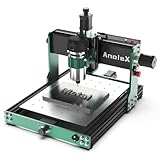


Compact metal-capable CNCs compared
| Machine | Published working area or travel | Weight | Spindle and enclosure | Best fit |
|---|---|---|---|---|
| Bantam Tools Desktop CNC | Approximately 7 × 9 × 3.5 in work area | About 70 lb | Integrated high-speed spindle; enclosed cutting area | Small, precise parts and a tidy desktop workflow |
| Carvera Air | Approximately 11.8 × 7.9 × 5.1 in work area | About 50 lb | High-speed spindle; enclosed machine | Enclosed aluminum work with room for larger parts |
| Shapeoko 5 Pro | Available in larger formats; verify the specific model’s travel | Varies by size and configuration | Router-style spindle; typically an open machine | Users prioritizing work envelope and willing to add guarding |
Figures are approximate manufacturer-published dimensions and weights, not a promise of usable cutting area in every setup. Vise jaws, clamps, tool length, workholding, and safe clearance reduce the space available for a job. The Shapeoko is included as a comparison because it offers a different tradeoff: a larger-format router CNC that can handle light aluminum work when configured carefully, rather than a compact, fully enclosed metal-milling package.
Which machine suits your situation?
- Choose Bantam Tools Desktop CNC if your parts fit its compact envelope and you value an integrated, enclosed workflow over maximum capacity. It makes sense for small brackets, plates, fixtures, and repeatable prototyping—not for long parts or aggressive stock removal.
- Choose Carvera Air if you want an enclosure and a larger stated work area than the Bantam, while keeping the machine relatively compact. Check what accessories and spindle options are included in the configuration you’re considering.
- Choose Shapeoko 5 Pro if part dimensions matter more than a self-contained enclosure and you are prepared to plan chip containment, workholding, and machine setup. Its larger format does not automatically make it more rigid or better at metal cutting.
- Choose a small benchtop metal mill instead if you expect frequent steel cutting, deep cuts, tight tolerances across production runs, or long unattended jobs. A desktop CNC can engrave or lightly machine some steel with specialized setups, but that is not the same as being a dependable steel mill.
What matters more than the headline specs
Rigidity and cutting strategy
Rigidity is the limiting factor in many desktop CNC metal setups. A machine may have enough travel for a part but still need shallow passes to avoid chatter, tool deflection, and poor surface finish. A compact frame, short tool stickout, a sharp cutter, and securely clamped stock usually matter more than a large advertised spindle speed.
For aluminum, use tooling and feeds suited to the alloy and cutter, keep the tool engaged in a controlled way, and clear chips frequently. If a setup begins to chatter, reduce the load and check tool projection, clamping, and machine fasteners before assuming a more powerful spindle will fix it.
Work envelope versus usable capacity
Published travel is not the same as the size of a part you can machine comfortably. A vise takes up height and space; clamps need clearance; and a long tool or tall workpiece may collide with the spindle or enclosure. Sketch the part, fixture, cutter, and clamp positions together before choosing a machine. For a job that nearly fills the stated envelope, allow room for setup and tool changes.
Spindle, enclosure, and chips
High spindle speed is useful for small-diameter cutters, but speed alone does not determine metal-cutting ability. The machine also needs suitable torque for the operation, a rigid tool mount, and a feed strategy that avoids rubbing. Enclosures help contain chips and reduce mess, but they do not eliminate the need to remove chips or protect ways and electronics.
Aluminum chips can accumulate around the cutter and workholding, causing recutting, heat, and a damaged finish. Follow the maker’s guidance for chip evacuation and coolant or lubricant compatibility. Do not improvise with liquids around electronics, and do not use compressed air in a way that drives chips into bearings, covers, or the enclosure’s moving components.
Budget for the whole setup, not just the machine
General market prices vary widely by model, configuration, and included accessories: compact enclosed desktop CNCs commonly fall in the several-thousand-dollar range, while router-style machines may start lower but need additional spending to become a sensible metalworking setup. Budget for cutters, a vise or fixture plate, clamps, measuring tools, workholding consumables, and chip management. A useful comparison is the cost of a ready-to-cut setup, not the base machine price.
For example, if a cutter costs $30 and is replaced after 15 jobs, its cutter cost is $2 per job. That excludes machine cost, setup time, and material, but it helps compare a process that relies on inexpensive cutters with one that needs specialized tooling. Actual cutter life depends on material, toolpath, feeds, chip evacuation, and operator choices.
Ownership realities: what wears and what goes wrong
Small CNC machines need regular attention even when the frame is substantial. Cutters are consumables; collets can collect fine debris; and dust or chips can interfere with motion components. Inspect the machine according to its maintenance schedule, keep the work area clean, and check that workholding remains tight. On an open router-style machine, plan chip shielding before the first cut rather than after chips have spread through the shop.
Common mistakes include using a dull or oversized cutter, leaving too much tool exposed, clamping stock on an uneven surface, and trying to compensate for chatter by increasing spindle speed without reviewing the full cutting setup. Start with a conservative test cut in scrap from the same material. If the machine vibrates, stop and diagnose the cause instead of letting a marginal cut continue.
Bottom line
For small aluminum parts in a compact, enclosed workflow, the Bantam Tools Desktop CNC is the focused choice; the Carvera Air is worth comparing when you need more stated work area and enclosure; and the Shapeoko 5 Pro suits buyers who value a larger format and accept the work of configuring a router-style desktop CNC for metal. If steel, heavy cuts, or production-level consistency are central to the job, step up to a purpose-built benchtop mill rather than asking a desktop metal CNC to do work its size and rigidity do not support.
0 Comments