What's inside
As an Amazon Associate I earn from qualifying purchases. This post may contain affiliate links at no extra cost to you.
For a stained exterior door beneath a covered porch, mahogany is usually the best balance of appearance, stability, and durability. Sapele is a practical close alternative; white oak is a good choice when you want a more pronounced grain and can accept extra weight. The porch roof helps, but it does not make the door interior-grade: wind-driven rain, humidity, and sun can still reach it.
Before choosing wood, check the door’s exposure and construction. A solid-wood door can move with seasonal moisture changes, while a well-made engineered door with a wood veneer may stay flatter. Either can work if all faces and edges are sealed and the finish is maintained.
As an Amazon Associate we earn from qualifying purchases at no extra cost to you.

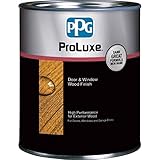

Our Top Picks
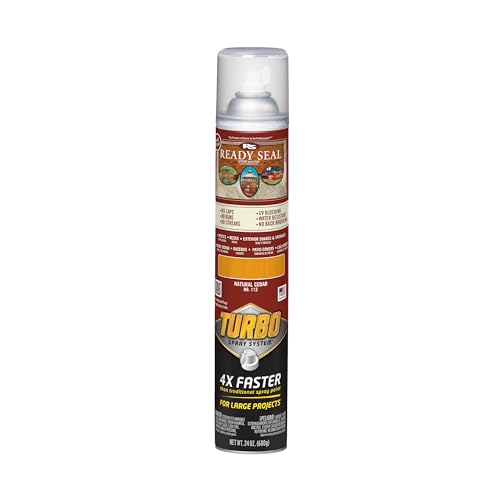 Ready Seal Exterior Wood Stain & Sealer24 Ounce Spray (Pack of 1)2.69 x 2.69 x 14.13 InchesCheck on Amazon


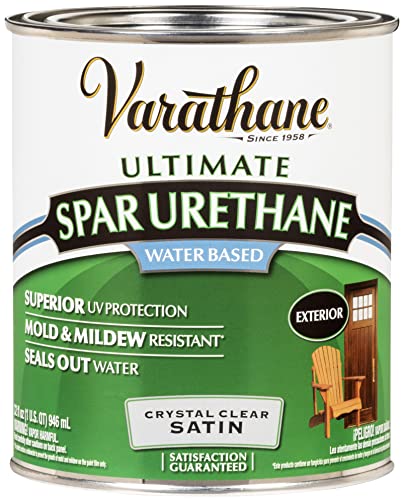
Best wood choices
| Wood | Why it works | Trade-offs | Best fit |
|---|---|---|---|
| Mahogany | Relatively stable, fine texture, attractive reddish-brown color | Quality and species vary; can cost more than common softwoods | A refined stained door with moderate upkeep |
| Sapele | Good stability and durability, with a ribbon-like grain on some boards | Color and grain vary; interlocked grain can tear out during planing | A mahogany-like look at a potentially lower price |
| White oak | Hard, durable, and strongly grained | Heavy; open pores need careful filling for a smooth finish | A traditional, visible grain pattern |
| Cedar | Lightweight and naturally resistant to decay | Soft, dents easily, and can look uneven under transparent stain | A sheltered, rustic door where lower cost matters |
| Pine | Widely available and inexpensive | Knots and uneven absorption can cause blotching; less forgiving at exposed edges | A budget door under a genuinely protected porch |
How much protection does the porch provide?
Look at the door after a hard rain. If the lower rail, lock edge, or threshold gets wet, choose a durable door and finish it as an exterior assembly. Even a deep overhang will not block all rain, and morning or afternoon sun can break down clear coatings on the exposed face. A covered porch reduces exposure; it does not eliminate it.
For a door that gets occasional dampness but little direct sun, mahogany or sapele is a sensible upgrade. If rain regularly reaches the door, prioritize a well-constructed exterior door with weather-resistant joinery and a durable finish over a particular species name. White oak is durable, but its weight can increase stress on hinges and jambs; use suitable hinges and a sound frame.
Stain and finish: the weak points matter
Stain adds color, not reliable weather protection. The protective layer is the exterior-rated topcoat, and the door’s top, bottom, hinge mortises, lock bore, and panel edges need attention too. Water entering an unsealed bottom edge can lead to swelling, peeling finish, and failed joints even when the broad faces still look good.
For a natural appearance, use a compatible exterior stain and an exterior clear finish with UV protection. Follow the finish maker’s directions for how many coats to apply and how long to wait between them; products differ. A film finish gives better surface protection but can peel if moisture gets behind it. A penetrating oil is easier to refresh but usually needs more frequent maintenance and offers less of a built-up protective film. Neither option is maintenance-free.
Use a UV-resistant exterior clear finish only if its label approves the intended use and it is compatible with the stain. Do not assume an indoor polyurethane is suitable outside. If you want a colored finish that hides variation, an exterior solid-color stain or paint can be more forgiving than a transparent stain, though it changes the door’s appearance.
Preparation and application
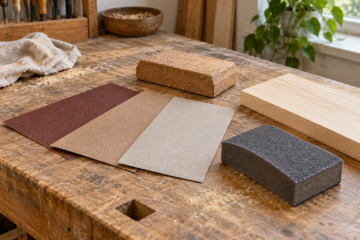
Start with a dry door and inspect for loose joints, failed caulk, or damaged weatherstripping. Remove hardware, then sand enough to create a uniformly dull surface without cutting through a thin veneer. On sound bare wood, a typical progression is 120-grit followed by 150- or 180-grit; follow the finish manufacturer’s recommendations, since sanding too fine can reduce stain absorption. Remove dust thoroughly with a vacuum and a clean, lint-free cloth.
Test the stain on an inconspicuous area or a matching sample. Pine and cedar often absorb stain unevenly, so a compatible pre-stain conditioner or gel stain may help; test first, because conditioners can also lighten the result. Dense hardwoods can take stain differently from board to board. Apply stain evenly, wipe excess as directed, and avoid leaving puddles in corners or panel joints.
Seal all six sides before installation when practical, including the top and bottom edges. After cutting or drilling, reseal exposed wood. Keep finish out of moving hardware and weatherstrip channels. For a product-category option, compare exterior wood stains for doors by label coverage, recoat window, and approved topcoat rather than color alone.
When a cheaper wood is fine
Pine can be a reasonable choice if the porch keeps the door dry, the door is well built, and you are willing to maintain the finish. Choose clear, stable stock with few knots near rails and joints; knots can bleed or create uneven color. Cedar is another affordable option when dents and a softer look are acceptable. In either case, a careful finish schedule and sealed edges matter more than paying extra for a premium species and leaving vulnerable end grain bare.
Plan to inspect the finish at least once a year, especially at the bottom edge and sun-facing areas. Refresh it when the coating looks dull, thin, or cracked—not after water has started getting under it. If the door repeatedly swells, sticks, or develops peeling at joints, investigate water entry and construction before applying another coat.
0 Comments