What's inside
As an Amazon Associate I earn from qualifying purchases. This post may contain affiliate links at no extra cost to you.
A dark-stained bathroom shelf needs more than a wood species that looks good in a stain chart. It needs a surface that will take stain evenly, hold up to damp air and occasional splashes, and stay flat under the things you put on it. For most DIY shelves, white oak is the best all-around choice. Walnut is a good premium choice if you want a naturally dark look; poplar is a cheaper option when you are willing to test stains and seal every face carefully.
As an Amazon Associate we earn from qualifying purchases at no extra cost to you.


Our Top Picks
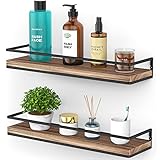
 BAYKA Rustic Brown Bathroom Floating Shelves15.7inches6.7 x 15.7 x 1.1 inches4.96 poundsCheck on Amazon
 Danpoo 12 inch Floating Walnut wall Shelf12 inch4.72 x 11.81 x 2.08 Inches1.01 poundsCheck on Amazon
 Varathane Total Control Dark Walnut Gel StainHalf Pint (Pack of 1)2.88 x 2.88 x 2.97 inchesCheck on Amazon
 Varathane Water-Based Ultimate Satin PolyurethaneHalf Pint (Pack of 1)3 x 3 x 3 inches0.64 poundsCheck on Amazon


What matters in a bathroom
Bathrooms expose wood to repeated changes in humidity, plus direct water around sinks and showers. A finish slows moisture movement; it does not make a shelf waterproof. Keep the shelf out of direct spray, wipe up standing water, and leave a small gap between the shelf and the wall so trapped moisture can escape.
Choose straight, dry stock without large knots, cracks, or obvious twist. A shelf 6–8 inches deep and ¾–1 inch thick suits many bathrooms. Longer spans need more thickness or support: a ¾-inch shelf can sag when it is long and heavily loaded, especially if it is deep. Anchor brackets or cleats into studs where possible, rather than relying on drywall anchors alone.
Wood choices compared
| Wood | Dark-stain result | Workability and cost | Best use |
|---|---|---|---|
| White oak | Rich brown; pronounced grain stays visible | Usually pricier than poplar, but stains predictably | Best balance of appearance and durability |
| Walnut | Naturally dark brown; stain may add little | Premium price; easy to work, though color varies | High-end shelf with a natural dark finish |
| Poplar | Can turn muddy or blotchy; greenish areas may show through | Often inexpensive and widely available | Paint, or a budget shelf after sample testing |
| Maple | Can stain unevenly, especially with dark colors | Hard, smooth, and often moderately priced | Only if you are prepared to manage blotching |
| Red oak | Darkens readily, with strong open grain | Common and often less costly than white oak | Lower-cost alternative if its pinker tone suits the room |
White oak is a dependable pick because its grain looks good under dark color and it is more moisture resistant than many common domestic woods. That does not mean it can be left unfinished or soaked. Walnut is attractive without much added color, but its price can make a stain-heavy finish a poor use of the wood. If you want an opaque dark shelf, poplar is fine under paint; if you want transparent stain, buy a small piece first and judge the actual result.
Buy the right stock
Look for kiln-dried boards sold as furniture or cabinet stock, not rough construction lumber. At the store, sight down each edge and face for bow, cup, and twist. A warped board can be difficult to flatten with basic tools, and fastening it hard against brackets may not keep it flat over time. If the shelf will sit near a shower, choosing a stable, straight board matters more than chasing a particular grain pattern.
For an economical painted shelf, finger-jointed poplar can work if the joints and glue lines are acceptable to you and the board is rated for interior use. For a stained shelf, solid wood is easier to finish cleanly than a cheap veneer panel: sanding through a thin veneer exposes the core, and edge banding can be noticeable after staining. A quality veneer panel can still work, but inspect its face and edges before buying.
Prepare and stain a sample
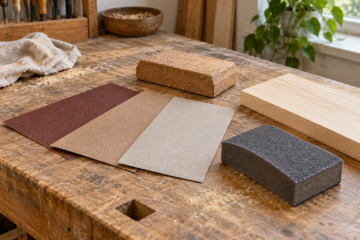
Sand before assembly, progressing through 120, 150, and 180 grit. Going much finer can reduce stain absorption, depending on the product. Remove dust with a vacuum and a clean cloth; avoid wetting the wood unless the stain maker calls for it. Sand edges lightly so they do not absorb more stain than the broad faces.
Test the whole finishing schedule on an offcut from the same board. Include stain and topcoat, since the clear finish can deepen or shift the color. White oak usually accepts oil- or water-based stain fairly evenly. Poplar and maple are more prone to blotching; a compatible wood conditioner or stainable washcoat may help, but it can also make the color lighter. Follow the stain label’s application and drying times rather than layering another coat before the first has cured.
For an even dark color on blotch-prone wood, a gel stain may be easier to control than a thin penetrating stain, but it can obscure grain and requires careful wiping. Compare a dark gel wood stain with the look you get from a penetrating stain on your sample. Do not use stain to hide defects: dark color often makes scratches, glue smears, and uneven sanding more obvious.
Seal every surface
Use a clear finish intended for interior wood and suitable for a damp room. A water-based polyurethane tends to keep the stain color closer to the sample; an oil-based polyurethane often adds amber warmth and can make a dark stain look browner. Apply thin coats according to the label, lightly sanding between coats if specified. Two or three coats on the shelf’s top are common; do not neglect the underside, ends, and edges.
End grain absorbs finish differently and is especially vulnerable to water. Seal it well, and keep the finish continuous around corners. A wipe-on or brush-on water-based polyurethane is a practical choice when you want less ambering. No clear coat will prevent damage from pooled water indefinitely, so avoid setting wet bottles directly on the shelf.
Make the choice
Choose white oak for the easiest route to a handsome, dark, grain-visible shelf. Choose walnut when natural color and appearance justify the extra cost. Choose poplar if the shelf will be painted, or if you can test several stain samples and accept some variation. For any species, careful sanding, a full sample, sealed edges, and good mounting do more for the finished shelf than an extra-dark stain alone.
0 Comments