What's inside
As an Amazon Associate I earn from qualifying purchases. This post may contain affiliate links at no extra cost to you.
Our Top Picks
 Pemberly Row Rectangular Mid-Century Wood Dining Table59" W x 35.5" D x 30" H35.5 x 59 x 30 inches64.32 poundsCheck on Amazon
 Signature Design by Ashley Farmhouse Counter Height DiningCounter Rectangular60 x 30 x 36 Inches74 PoundsCheck on Amazon
 Signature Design by Ashley Extendable Round to Oval048.25 x 72 x 30.25 inches101 poundsCheck on Amazon
 Varathane Less Mess Whitewash Wood Stain & Applicator4 Ounce (Pack of 1)1.75 x 1.75 x 6.5 inches0.25 PoundsCheck on Amazon

What makes a good whitewashed dining table
A whitewash is a thin, pale finish that lets some of the wood grain show through. The result depends as much on the wood as on the finish: open grain, strong color variation, and blotchy absorption can all show through a light stain. For a dining table, appearance is only half the decision. The top also needs to tolerate spills, wiping, and everyday abrasion.
Decide whether you want visible grain or a nearly solid white surface. A translucent wash suits grain with an attractive, fairly even pattern. If you want to hide knots, dark streaks, or pronounced color changes, paint or an opaque white finish is a better fit than trying to cover them with a thin wash.
As an Amazon Associate we earn from qualifying purchases at no extra cost to you.


Best wood species by look and budget
| Species | Whitewashed look | Workability and cost | Best fit |
|---|---|---|---|
| White oak | Prominent open grain; takes a pale wash with strong texture. | Hard and durable; usually pricier than common softwoods. | A long-lasting table with visible, defined grain. |
| Ash | Bold, open grain that stays visible under a light finish. | Hard and generally easy to machine; availability varies. | A bright, strongly grained look similar in spirit to oak. |
| Maple | Fine, subtle grain; can look clean and nearly uniform. | Hard, but uneven stain absorption can cause blotches. | A restrained finish, especially with a tested wash or white toner. |
| Pine | Knots and growth rings show clearly; pale areas may take color unevenly. | Inexpensive and easy to find, but soft and prone to dents. | A budget or casual table where marks are acceptable. |
| Birch | Fine grain, often with color variation that may become more obvious under white finish. | Moderately hard; can blotch with penetrating stains. | A smooth, light look if you test the finish on offcuts first. |
White oak and ash for visible grain
White oak is the most dependable choice if you want the grain to be a feature. Its open pores accept a wash and retain a distinct pattern, while its hardness makes it a practical surface for daily meals. A white pigment can collect in the pores, so the table may look more textured than a sample on a smooth board suggests. That is often desirable, but test on a cutoff from the actual stock.
Ash also has open, pronounced grain and is a sound alternative when the price or local supply works better. Both species are harder than pine and generally resist everyday dents better, though no wood finish makes a tabletop immune to knives, grit, or hot cookware. Compare actual boards: color and grain vary between trees, and a “white oak” label does not guarantee a uniform top.
Maple and birch for a quieter surface
Maple has tighter, less prominent grain than oak. It can produce a calm, pale table, but a penetrating white stain may absorb unevenly and leave cloudy patches. Birch has a similar fine-grained appearance and can also show uneven color. For either, avoid assuming that extra sanding will solve blotching; sanding too smoothly can reduce absorption in some areas while end grain or figured patches still take more color.
Use scraps from the same boards to test the entire finishing schedule, including any conditioner, wash, and topcoat. If a translucent stain remains patchy, consider a white-tinted finish designed to sit more evenly on the surface, or choose a more opaque coating. The right option depends on how much grain you want to see.
Pine when price matters
Pine is a reasonable low-cost choice, especially for a casual table or a project where dents and wear are part of the expected look. Its knots and growth rings can give a whitewash character, but the soft surface marks more easily than oak, ash, maple, or birch. Resinous knots can also discolor a pale finish over time. If a spotless, uniform tabletop is the goal, pine is a riskier starting point.
Choose boards carefully and arrange them before glue-up so the knots and grain look intentional. A knot sealer can reduce bleed-through, but it does not remove every risk; test it with the planned finish. Budget for a durable clear topcoat, since the wash itself offers little protection from food and drink.
Prepare and finish for dining use
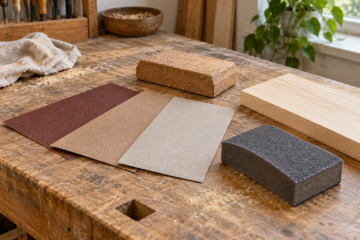
Sand evenly, working through progressively finer grits rather than jumping straight to a polished surface. For many tabletop finishes, stopping around 150 or 180 grit is a useful starting point, but follow the stain or coating maker’s directions. Vacuum the dust and wipe with a clean, dry cloth; residue can leave pale or dark specks beneath a translucent finish. Sand end grain carefully because it often absorbs more color than face grain.
Make a sample using the same sanding, wash, and clear coat planned for the table. Let it dry fully before judging the color: a clear finish usually deepens or warms the appearance. Apply the wash in thin, controlled coats and wipe excess consistently. Uneven wiping can leave lap marks, while a heavy coat can obscure grain or dry in streaks. Do not rush the clear coat; trapped moisture or an incompatible coating can cloud or lift the finish.
For a dining surface, use a clear finish labeled for interior furniture or tabletops and follow its cure time before use. A film finish such as a compatible water-based polyurethane gives a wipeable surface, but can slightly alter the washed appearance. A matte sheen hides small surface flaws better than gloss; gloss makes scratches and unevenness more obvious. Compare water-based tabletop finishes by stated use and cure instructions, not just the label color.
Make the buying decision
For a strong grain pattern and a table intended for years of use, start with white oak; ash is a good alternative when suitable stock is available. Choose maple or birch for a finer, less dramatic grain, but budget time for finish testing. Choose pine when lower cost matters more than dent resistance and perfectly even color.
Before buying, inspect the actual boards for knots, mineral streaks, cupping, and mismatched color. If you are purchasing a ready-made top, ask what species it is and whether the grain is solid wood or veneer; veneer can be attractive but leaves less material for future sanding. A small whitewash stain is enough for sample boards, but do not commit to finishing the full tabletop until the sample looks right under the final clear coat.
0 Comments