What's inside
As an Amazon Associate I earn from qualifying purchases. This post may contain affiliate links at no extra cost to you.
A warm amber finish can come from the wood itself, a clear finish, or both. The easiest route is usually a species with a naturally golden or reddish cast, finished with a clear coat that adds depth without hiding the grain. If you need a particular shade, a light stain can help—but stain behaves differently on each species, so test it on offcuts before committing to a tabletop or cabinet door.
As an Amazon Associate we earn from qualifying purchases at no extra cost to you.


Our Top Picks
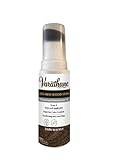
 Varathane Less Mess Dark Walnut Wood Stain &4 Ounce (Pack of 1)1.75 x 1.75 x 6.5 inches0.25 poundsCheck on Amazon
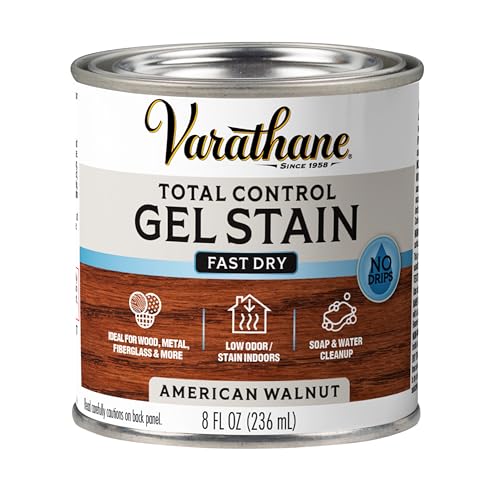 Varathane Total Control American Walnut Gel StainHalf Pint (Pack of 1)2.88 x 2.88 x 2.97 inches0.6 poundsCheck on Amazon
 Minwax Fast Drying Polyurethane Protective Wood FinishQuart4.1 x 4.1 x 5.1 inches1.95 PoundsCheck on Amazon
 Polyurethane Wood Finish Water Based Polyurethane Clear Gloss100 ml1.6 x 1.6 x 4.7 inchesCheck on Amazon

What “amber” means in practice
Amber ranges from pale honey to orange-brown. Clear oil-based finishes tend to deepen wood color and add a yellow or golden cast; water-based finishes usually change the color less. Neither result is fixed: the wood’s initial color, grain, surface preparation, and number of coats all matter. Some clear finishes also yellow as they age, which may be welcome on a warm-toned piece but can make pale wood look orange.
Decide whether you want natural warmth or a controlled color. For a natural look, choose a warm species and test a clear finish. For a more repeatable shade, use a compatible stain, then protect it with a clear topcoat. Stain is not a substitute for a finish: it colors the surface but offers limited protection against water, abrasion, and spills.
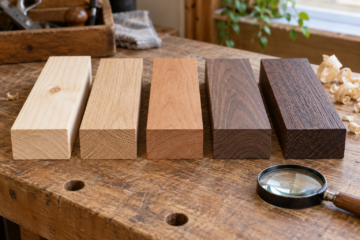
Wood species compared
| Species | Typical color and grain | Amber finish potential | Main trade-off |
|---|---|---|---|
| Cherry | Pinkish tan to reddish brown; smooth, subtle grain | Excellent; deepens naturally toward reddish amber with age | Darkens noticeably in light, so protected areas may stay lighter |
| White oak | Tan to medium brown; prominent grain, often straight | Good; clear finish gives a golden, slightly brown warmth | Open pores show clearly; filling them takes extra work |
| Maple | Pale cream; fine, often understated grain | Good with a light amber tint or warm clear coat | Can turn blotchy with stain, especially on figured or soft maple |
| Beech | Light pinkish tan; fine, even texture | Good; clear finish creates a soft honey tone | Stain can be uneven, and the natural look is less strongly grained |
| Pine | Pale yellow with knots and strong earlywood contrast | Easy to make golden amber with stain or oil | Soft, resinous areas and knots can absorb color unevenly |
| Birch | Pale cream to light brown; fine grain | Good with a carefully tested warm stain | Often blotches under conventional stain |
Best choices for a naturally warm result
Cherry is a strong choice when budget allows and a reddish amber tone suits the design. It often needs no stain: a clear finish brings out its color, and exposure to light gradually darkens it. Keep leaves, lamps, and decorative objects from covering part of a new cherry top for long periods; uneven exposure can leave a visible light patch. That color change is natural, not a finish failure.
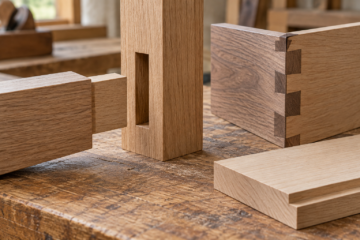
White oak is a better fit for a more pronounced grain and a less red, more golden-brown result. It is hard-wearing and widely used for furniture, though its open pores remain visible under a simple clear coat. Maple and beech are useful when you want a cleaner, quieter grain. A warm clear finish can give either a honey cast without covering their pale appearance.
Pine is a reasonable low-cost option for painted or rustic furniture, and it can look good amber-colored. It is softer than the hardwoods above, so dents are more likely. Knots and resin-rich areas may reject or distort stain; a conditioner or a gel stain can reduce the contrast, but neither guarantees a uniform color.
Choose by project and budget
For a high-use dining table, prioritize hardness and a finish you can repair or renew. White oak or cherry are sensible starting points. For a bedroom dresser or occasional table, maple, beech, birch, or pine can all work if the color test looks right. A cheaper species is fine when the furniture will see light use, the grain suits the room, or you are painting it. Paying more for cherry makes little sense if you plan to cover it with an opaque finish.
When buying stock, ask whether it is solid wood or veneer and inspect the actual boards where possible. Species names do not promise a uniform shade: heartwood, sapwood, board age, and cut can all change the appearance. For a large project, buy enough material from the same batch and finish several offcuts before assembly.
Prepare and test before finishing
Sand evenly through the grits; for most furniture, a practical sequence is 120, 150, then 180 grit. Stop at 180 unless the product label calls for something else. Very fine sanding can burnish some woods and reduce stain absorption. Remove dust thoroughly, then apply the actual stain and topcoat to scrap prepared in the same way as the project. A small sample of bare wood is not a reliable preview of the finished color.
On maple, birch, pine, or beech, test a washcoat, pre-stain conditioner, or gel stain if a conventional liquid stain looks blotchy. These products can improve consistency but may also reduce color depth. Follow the label’s timing: applying stain over a washcoat that is too dry or too wet changes how much color enters the wood. Always test the full schedule, including the topcoat, because a clear finish can shift the stain warmer or darker.
For a straightforward clear finish, compare an oil-based polyurethane with a water-based polyurethane. Oil-based versions usually add more amber color and take longer to dry; water-based versions preserve a paler look and typically dry faster. Follow the can’s recoat instructions, ventilate well, and do not assume a surface is ready for heavy use as soon as it feels dry.
Avoid common color problems
Do not use stain to compensate for poor sanding: scratches can become more obvious after coloring. Uneven sanding pressure can also create patches that show only once the stain goes on. On a large panel, keep a wet edge and work at a steady pace; pausing mid-board may leave a lap mark. If a sample turns too orange, try a less amber clear coat or a cooler, less saturated stain rather than adding another heavy coat.
If you want a predictable amber shade with minimal risk, choose a naturally warm species, use a clear finish, and accept the wood’s variation. If uniform color matters more than visible natural character, test a stain system on the exact species and prepare multiple samples. That extra test costs little compared with stripping and refinishing a completed piece.

0 Comments