What's inside
As an Amazon Associate I earn from qualifying purchases. This post may contain affiliate links at no extra cost to you.
For a stained ceiling in a humid room, the safest choice is usually a stable, straight-grained wood with a clear finish that can handle moisture and be maintained. Western red cedar is a strong all-around pick where the budget allows. For a less expensive interior, kiln-dried pine can work if the room is ventilated and the boards are acclimated and sealed on all sides. In a bathroom with frequent steam or poor ventilation, no wood species or finish makes an unmanaged moisture problem disappear.
As an Amazon Associate we earn from qualifying purchases at no extra cost to you.


Our Top Picks
 Ready Seal Exterior Wood Stain & Sealer24 Ounce Spray (Pack of 1)2.69 x 2.69 x 14.13 InchesCheck on Amazon
 Varathane Water-Based Ultimate Satin PolyurethaneHalf Pint (Pack of 1)3 x 3 x 3 inches0.64 poundsCheck on Amazon


Choose for the room, not just the color
Humidity causes wood to take on and release moisture. As boards swell and shrink, joints can open, edges may cup, and stain or finish can crack. The larger concern is prolonged dampness: it can lead to mold, finish failure, or decay. A ceiling is less exposed to splashes than a shower surround, but warm, moist air still rises and can condense on a cold ceiling.
First check that the room has a working exhaust fan vented outdoors, not into an attic. Use it during bathing and for at least 20 minutes afterward. A fan sized around 1 cubic foot per minute per square foot is a common starting point for bathrooms, subject to local code and the room’s layout. Fix roof or plumbing leaks before installing wood. If the ceiling regularly gets wet or condensation remains, solve that issue before choosing boards.
Wood options compared
| Wood | Good fit | Trade-offs |
|---|---|---|
| Western red cedar | Humid rooms; warm, natural color | Costs more; soft, so it dents; color varies between boards |
| Clear pine | Budget projects with good ventilation | Knots and resin can affect stain; more movement than cedar |
| Poplar | Painted ceilings | Not a first choice for a stained look; blotchy stain and greenish tones are common |
| White oak | Durable, prominent grain and a higher-end finish | Heavy and expensive; needs careful sealing, especially at end grain |
| Redwood | Distinctive grain and natural color | Availability and price vary; soft and easily dented |
Cedar is not waterproof, but it has better natural resistance to decay than pine and tends to be a practical choice for a humid interior. Choose clear or select boards if you want a more consistent stain color; common-grade cedar has knots and color variation that can be part of the look, but will not stain uniformly. For a straightforward board-and-batten ceiling, pine is often perfectly adequate in a well-ventilated room, provided the lumber is dry and the finish is applied carefully.
What to check before buying
Buy kiln-dried interior boards, not fresh-cut or damp stock. If possible, check moisture content with a pin meter: around 6–12% is a reasonable target for many heated interiors, though the right level depends on the local climate. Let boards sit in the room, stacked with spacers between layers, for several days; allow longer if they arrive noticeably colder or wetter than the room. Follow the manufacturer’s installation instructions if the material is prefinished.
Look down each board for twist, bow, and wavy edges. Reject boards with loose knots, splits, or damage around the tongue and groove. Plan on a small waste allowance—often 10% for a simple room, more for angled cuts or a lot of defects. If the ceiling will be stained, buy enough boards from the same batch and shuffle them during installation to spread out color differences.
Prepare and stain for an even result
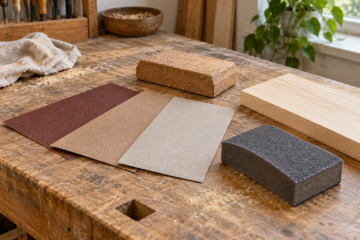
Sand bare wood with the grain, typically starting at 120 grit and finishing at 150 or 180 grit. Going much finer can burnish some woods and reduce stain absorption. Remove dust thoroughly, especially from grooves, then test the complete stain-and-topcoat schedule on an offcut. Pine often stains blotchily; a compatible pre-stain conditioner or a gel stain can make the result more even, but neither guarantees a uniform color. Cedar’s softer earlywood may also absorb stain differently from its harder grain.
Choose a stain and clear coat intended for interior wood and follow its label for humidity, temperature, and drying times. A stain is mainly for color; it is not a substitute for a protective topcoat unless the product specifically says it is a combined finish. Water-based finishes usually have lower odor and dry faster. Oil-based finishes often deepen the wood’s color and have a longer working time, but can amber and require stronger ventilation. Compare interior water-based clear finishes and oil-based interior finishes by their stated use and sheen, not just the product name.
Finish all faces before installation, including the back, edges, and especially end grain. This does not stop moisture movement, but it helps boards take up moisture more evenly. Apply the number of coats specified on the can; two or three thin coats are often more reliable than one heavy coat. Sand lightly between coats only as directed, and let the finish cure before exposing the room to regular steam.
Install and maintain with movement in mind
Fasten boards to ceiling joists or properly installed furring strips, not just drywall. Use fasteners recommended for the wood and installation method; stainless or corrosion-resistant fasteners are sensible in persistently humid rooms. Leave the expansion gap specified by the board maker at the perimeter, and cover it with trim. Do not glue every board edge together unless the system calls for it: rigidly locking the field can make seasonal movement show up as buckling or split tongues. A compatible construction adhesive can supplement mechanical fastening where appropriate, but it does not replace screws or nails into framing.
Inspect the ceiling occasionally for dark spots, peeling finish, soft boards, or joints that keep changing. These can signal a leak or persistent condensation, not simply a need for another coat. A cheaper pine ceiling is fine in a dry, ventilated bathroom or powder room; spend more on cedar, better board selection, and careful finishing when moisture exposure is higher or the ceiling is difficult to access for repairs.
0 Comments