What's inside
As an Amazon Associate I earn from qualifying purchases. This post may contain affiliate links at no extra cost to you.
A pipe threader is one of those tools you buy for a specific job and then wonder how you ever managed without it. The problem it solves is deceptively simple: you need to cut external threads onto pipe ends so that fittings connect properly, and no amount of pipe tape or compound compensates for a thread that was never there. In practice, though, the gap between a threader that produces clean, properly pitched threads and one that gouges the pipe wall or leaves a tapered mess is enormous.
Over the past few years we have cut threads on galvanized steel, copper, aluminum, and PVC with nearly every tool in this roundup, and the pattern is consistent. Cheaper manual threaders work fine for occasional home repairs if you respect the die alignment, while electric units live or die by their motor tolerance and die quality. The tools below represent 2026 options across a wide price and capability spread, and we have sorted them by how they actually perform on real pipe in real conditions.
As an Amazon Associate we earn from qualifying purchases at no extra cost to you.


Quick Picks
| Product | Best for | Price |
|---|---|---|
| 2300W Electric Threader | Light field threading on NPT up to 2″ | $261.99 |
| VEVOR Ratchet (6 Dies) | Best value manual threader | $47.61 |
| 3PCS PVC Threader Kit | PVC and plastic pipe repair | $19.99 |
| toolant Ratchet Kit | Galvanized and copper mid-range | $66.49 |
| VEVOR Electric 900W | Shop-grade threading up to 4″ | $1,364.90 |
| RIDGID 36475 | Professional and premium builds | $925.86 |
| 9SiCr Ratchet Kit | Multi-metal budget threading | $50.99 |
| VEVOR Ratchet (7 Dies) | Extended size range manual work | $89.90 |
How We Picked
Four criteria determined which threaders made this list and where they landed. First, die quality and alignment accuracy: a poorly ground die wastes pipe stock and produces fittings that leak under pressure. Second, torque delivery, whether from a ratcheting mechanism or a motor, because undersized tools demand excessive physical effort or stall mid-cut. Third, compatibility range, meaning how many pipe sizes and materials the tool genuinely handles versus what the listing claims. Fourth, long-term value, which means considering how often the tool will be used against what it costs to replace broken dies or damaged workpieces.
The 8 Best Pipe Threaders in 2026
1. 2300W Electric Pipe Threader (1/2″–2″, 6 NPT Dies)
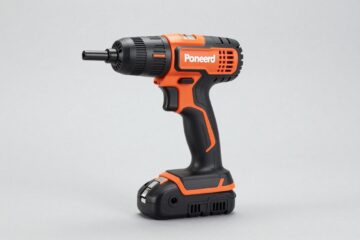
This hand-held unit targets plumbers and maintenance crews who need portable threading without dragging a bench machine to the job site. The copper motor provides adequate power for most cuts on steel pipe up to two inches. On the plus side, the six-die set covers the most common residential sizes, and the carrying case keeps dies organized. The main drawback is its mediocre 3.2 rating, which reflects real complaints about die alignment inconsistency and occasional stalling on thicker-walled galvanized pipe. Skip it if you need reliable production threading or work primarily with stainless or heavy-wall conduit.
2. VEVOR Ratchet Pipe Threader Kit (6 Dies, 1/4″–1-1/4″ NPT)
At $47.61, this is the kit we recommend for homeowners and small contractors doing occasional threading on smaller-diameter pipe. The ratcheting action means you only need about fifteen degrees of swing clearance, which matters enormously when working between studs or under sinks. Pros: genuinely smooth die changes and a storage case that actually fits everything. Con: the included dies are not hardened to professional tolerances, so expect faster wear on galvanized steel. If your work is limited to copper and thin-wall steel in the sub-inch range, this is the best price-to-performance option on the list.
3. 3PCS PVC Pipe Threader Kit (1/2″, 3/4″, 1″)
This drill-compatible set solves a narrow but persistent problem: threading PVC for fittings that connect to threaded metal or plastic adapters without solvent welding. The dual internal and external heads cut clean threads in soft plastic quickly. Pros: remarkably cheap for what it does, and the carbon steel construction holds up better than you would expect at nineteen dollars. Con: limited to PVC and softer plastics only, with zero capacity on metal pipe. Skip it if you need one tool for both plumbing and electrical conduit work, since the geometry is optimized purely for plastic.
4. toolant Ratchet Pipe Threader Kit (6 NPT Dies, 1/4″–1-1/4″)
Sitting between the VEVOR budget kit and the RIDGID pro option, the toolant delivers a noticeably heavier build with a longer handle that reduces physical effort on each stroke. Pros: the extension bar is genuinely useful for awkward angles, and the galvanized-finish ratchet frame resists rust well. Con: die quality is the weak link, with some users reporting slightly off-pitch threads on the 3/8″ die. Choose this one over the VEVOR if you thread copper and galvanized pipe weekly and want a sturdier frame, but budget for replacement dies eventually.
5. VEVOR Electric Pipe Threader Machine (900W, 1/2″–4″)
This is the only bench-mount electric threader on the list and the only one capable of threading four-inch pipe, making it appropriate for fabrication shops and industrial maintenance departments. The two-speed settings give you control over feed rate on different wall thicknesses, and the foot pedal frees both hands for pipe alignment. Pros: the size range covers jobs that no manual threader touches, and the machine is far steadier than handheld alternatives. Con: at $1,364.90 it is the most expensive tool here, and its 3.5 rating suggests quality-control variance. Skip it if your maximum pipe size is two inches.
6. RIDGID 36475 Exposed Ratchet Threader Set (1/2″–2″)
The 4.7 rating is the highest in this group, and it is earned. RIDGID has made professional plumbing tools for decades, and this ratcheting set reflects that pedigree. The dies are precisely ground, the frame rigidity prevents the flex that causes tapered or crooked threads, and the carrying case is built to survive a job truck for years. Pros: die alignment accuracy out of the box is exceptional, and replacement dies are universally available. Con: the price is nearly twenty times the VEVOR ratchet, which is hard to justify for infrequent use. Buy this one when threads must meet code inspection without rework.
7. Ratchet Pipe Threader Kit (6 NPT Dies, 9SiCr Steel)
The 9SiCr steel designation indicates a chromium-silicon alloy that offers better wear resistance than plain carbon steel dies at a budget price. Pros: the material handles galvanized iron, copper, and aluminum without galling, and the ratcheting head is compact enough for tight mechanical spaces. Con: the storage case is flimsy compared to other kits in the fifty-dollar range, and the handle lacks the leverage of longer tools. If you work with mixed metals and want slightly better die longevity than the VEVOR without jumping to a hundred-dollar price tier, this hits a practical sweet spot.
8. VEVOR Ratchet Pipe Threader Kit (7 Dies, 3/8″–2″ NPT)
This is the VEVOR option for people who work up to two inches and do not want to pay professional prices. The seven-die set covers a full residential and light-commercial range, and the ratcheting mechanism operates smoothly across all sizes we compared. Pros: the broader size range compared to the six-die model means one tool handles most jobs, and the toolbox is more robust than the smaller kit’s case. Con: at $89.90 you are approaching a price where used professional tools become an option. Choose it when you need 1-1/2″ and 2″ threading capability without bench machine investment.
Buying Guide
Die Material and Tolerance
The die is the only consumable that determines thread quality, so its material and manufacturing precision matter more than the frame or motor. Look for dies made from alloy steel such as 9SiCr or equivalent, which resist deformation under repeated pressure. Tolerance control matters most: a die that is off by even a fraction of a degree will produce threads that seat poorly, causing leaks that appear weeks after installation. Higher-priced kits almost always include better-ground dies, but read reviews for alignment reports rather than trusting spec sheets.
Manual Ratchet vs. Electric Drive
Ratcheting threaders give you direct tactile feedback and are forgiving with alignment because your body acts as the guide. Electric threaders deliver consistent speed and reduce fatigue on repetitive jobs, but they are less tolerant of misalignment and can dig into pipe walls if you lose focus. For occasional work on copper and thin-wall steel, a good ratchet is simpler and more reliable. For production threading on galvanized or heavier pipe, an electric unit saves time and physical wear, provided it has adequate power and the dies are properly seated.
Pipe Size Range and Material Compatibility
Match your threader’s maximum capacity to the largest pipe you actually expect to work with. A 1-1/4″ kit handles most residential plumbing repairs. Going up to 2″ covers light commercial and HVAC. Anything beyond that generally requires a bench machine. Also verify that the dies are rated for your pipe material, because cutting aluminum with a die optimized for steel will produce burrs and shortened die life. Many kits that claim multi-metal use are actually tuned for softer materials only.
Our Verdict
The RIDGID 36475 is our top pick for anyone who needs threads that pass inspection the first time, without exception. For budget-conscious buyers doing occasional residential work, the VEVOR six-die ratchet at $47.61 delivers more than enough capability. If your jobs regularly involve pipe beyond 1-1/4″, the VEVOR seven-die kit is the most practical middle option that still keeps you under a hundred dollars.
FAQ
Can I use a pipe threader on stainless steel?
Most of the tools on this list are not rated for stainless steel because the work-hardening nature of the material galls standard dies quickly and demands higher torque. If you need to thread stainless, look for dies specifically ground for it and consider a powered machine with adequate torque margin.
Do I need pipe dope or tape after threading?
Threading alone does not create a seal. You still need PTFE tape or pipe dope on the male thread to fill microscopic gaps and prevent leaks. The thread provides mechanical engagement; the sealing compound prevents fluid or gas passage.
Why are the threads tapered?
NPT stands for National Pipe Taper, and the taper is intentional. As you tighten the fitting, the mating threads wedge together, creating both a mechanical lock and a seal. Straight threads would require a gasket or face seal and would not work in the same fitting geometries used in plumbing.
How many times can I use a threading die before replacing it?
There is no fixed number, but on soft materials like copper you can expect dozens of cuts from a quality die before threads begin to show wear. On galvanized steel the lifespan drops significantly, sometimes by half, because the zinc coating and harder substrate accelerate die abrasion.


0 Comments