What's inside
As an Amazon Associate I earn from qualifying purchases. This post may contain affiliate links at no extra cost to you.
Best CNC Router Cutting Machines for Wood
The best cnc router cutting machine depends first on the largest part you need to cut: choose a compact 3018-style machine for small signs and models, a 24 × 24-inch-class router for cabinet components and regular woodworking, or a 4 × 8-foot machine for full sheets of plywood. Match its work area to your stock, then check spindle, frame rigidity, and dust collection before comparing extras.
Compare the main options
The machines below represent useful size and capability classes, not a claim that one model is best for every shop. Listed dimensions are nominal working areas; usable travel can be smaller, and specifications vary by version. Confirm the exact machine configuration before buying.
As an Amazon Associate we earn from qualifying purchases at no extra cost to you.
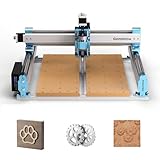

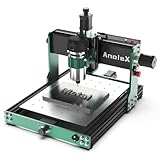
| Machine or class | Nominal work area | Spindle | Practical wood use | Dust collection |
|---|---|---|---|---|
| SainSmart Genmitsu 3018-PROVer | About 300 × 180 × 45 mm (11.8 × 7.1 × 1.8 in) | 775-class, about 100 W | Engraving, small signs, thin stock, and light cuts in softwood | Usually needs an added brush shoe and shop vacuum |
| Shapeoko 4 Standard | About 17.5 × 17.5 × 4 in | Typically a 65 mm trim-router spindle, often around 1.25 hp | Small furniture parts, signs, and plywood panels that fit the bed | Router-compatible dust shoe and vacuum or extractor recommended |
| Shapeoko 5 Pro, 4 × 2 configuration | About 48 × 24 × 4 in | Typically a 65 mm trim-router spindle | Larger cabinet parts, nested components, and repeated production work | Plan for a shoe, hose management, and a suitably sized extractor |
| Avid CNC PRO4896 | About 48 × 96 in | Configuration-dependent; commonly paired with a 3 hp-class spindle | Full-sheet plywood, large panels, and frequent shop production | Requires a full-size collection setup and effective enclosure or shoe design |
Nominal spindle horsepower alone does not predict cut quality. A small router can cut plywood cleanly with sharp tooling and conservative passes; a powerful spindle on a flexible frame can still chatter or leave rough edges. Likewise, a large bed is useful only if your shop has room for the machine, sheet loading, and dust extraction.
Choose by the parts you make
- Occasional small projects or limited space: A 3018-class machine is an affordable way to learn toolpaths and make small engraved parts. Its shallow clearance and modest spindle limit it to light work. It is not a practical substitute for a full-size woodworking router.
- Furniture details, signs, and small panels: A Shapeoko 4 Standard-class router offers more usable area and cutting capacity without requiring a large shop footprint. Measure your largest finished piece, including tabs and workholding margins.
- Cabinetry or batches of components: A 4 × 2-foot machine reduces the need to reposition stock and can handle many furniture and cabinet parts. For repeated work, factor in setup time, spoilboard maintenance, and dust collection—not just cutting speed.
- Full sheets and production: A 4 × 8-foot router can process standard sheet goods without dividing the job, but needs substantial floor space, safe sheet handling, and a collection system suited to sustained use. A large machine is poor value if most of your work is smaller than a desktop bed.
Plywood cutting: prioritize support and dust control
For cnc router plywood cutting, the key variables are the plywood’s actual thickness, the number of plies, veneer quality, and whether the sheet is flat. A nominal ¾-inch panel may not measure exactly ¾ inch, so measure the material and set the toolpath depth accordingly. Use a sharp plywood-appropriate bit—often a compression bit for clean top and bottom edges—and secure the sheet evenly against a flat spoilboard.
When cnc router cutting plywood, make a test cut in offcut material before committing to a full sheet. Too much depth per pass, a dull bit, or loose workholding can cause fuzzing, tear-out, or movement. A full-depth profile cut can release parts as the final pass finishes; use tabs or onion-skin strategies where appropriate, and make sure the sheet remains supported throughout.
Plywood produces fine, irritating dust and can contain adhesives that quickly blunt tooling. A dust shoe helps near the cutter, but it does not make a machine dust-free. Keep extraction hoses clear, clean the rails and screws regularly, and use suitable respiratory protection if airborne dust remains. Small machines without an effective shoe may need an enclosure and frequent cleanup.
What spindle power and rigidity really buy
For wood, a trim-router spindle in the roughly 1–2 hp class is adequate for many hobby and small-shop jobs when paired with sensible feed rates and sharp bits. Lower-power 775-style spindles are intended for much lighter cuts. A 2–3 hp-class spindle is useful on larger, more rigid machines and for sustained work, but it does not mean you should take deep cuts in one pass.
Frame stiffness, gantry design, bearings, and the way the work is held all affect the result. If the machine vibrates, reduce the depth or width of cut, check that the bit is not extended unnecessarily, and inspect the collet and tool. A bigger spindle on an undersized frame can encourage aggressive cuts the machine cannot hold accurately.
Can a wood router cut aluminum?
A cnc router for aluminum cutting needs more than a high-power spindle: rigidity, low backlash, secure clamping, suitable tooling, and controlled chip removal matter just as much. Some robust woodworking routers can machine thin aluminum plate with shallow passes and appropriate single-flute tooling, but they are not automatically suitable for thick plate or production metalwork. Cutting aluminum on a cnc router designed mainly for wood can produce chatter, poor finishes, broken tools, or dangerous workpiece movement if the setup is not rigid.
If aluminum is a regular material, choose a machine explicitly rated and configured for it, and follow the manufacturer’s tooling and operating guidance. For occasional thin-sheet work, verify the machine’s limits and use conservative cuts; do not infer capability from spindle horsepower alone. A dedicated metal-capable CNC is generally the better choice for frequent or demanding aluminum jobs.
Ownership costs and common wear points
Budget for bits, collets, a flat spoilboard, workholding, and dust extraction—not just the machine. A trim router’s brushes and bearings wear with use; cutters dull or chip, and collets can lose accuracy if dirty or damaged. On belt-driven machines, inspect belt tension and wear. On screw-driven machines, keep screws and rails clean and lubricated as directed by the manufacturer.
Spoilboards are consumables: surfacing them restores a flat reference, but each surfacing pass reduces their thickness. Avoid cutting deeply into the bed, and replace the board when it can no longer hold work securely. For a sheet-size machine, include the cost and labor of moving full panels and managing a large dust hose; those practical demands can outweigh a faster spindle.
Bottom line
Buy the smallest rigid machine that comfortably fits your largest recurring parts, with room for workholding and tool travel. Choose a compact router for learning and detail work, a mid-size model for furniture components, and a 4 × 8-foot machine when full-sheet plywood is central to the work. In every category, realistic material limits and effective dust collection will matter more than a headline horsepower number.
0 Comments