What's inside
As an Amazon Associate I earn from qualifying purchases. This post may contain affiliate links at no extra cost to you.
A clear coat protects painted wood from scratches, moisture, dirt, and repeated handling, but the best product depends on the paint underneath and how the piece will be used. For most indoor furniture, cabinets, shelves, and painted trim, a water-based polyurethane or acrylic polyurethane is the safest starting point. It dries clear, adds little odor, and is less likely to yellow light-colored paint than an oil-based finish.
As an Amazon Associate we earn from qualifying purchases at no extra cost to you.


Our Top Picks
 Minwax 622224444 Polycrylic Protective Wood Finish32 fl oz4.4 x 4.4 x 5 inches2.2 poundsCheck on Amazon
 1 gal Minwax 13333 Clear Polycrylic Water-Based Protective128 fl oz6.88 x 4.25 x 7.88 inches2.2 poundsCheck on Amazon
 Minwax 1 qt Minwax 65555 Clear Polycrylic Water-Based32 fl oz4.3 x 4.9 x 4.9 inches2.25 poundsCheck on Amazon
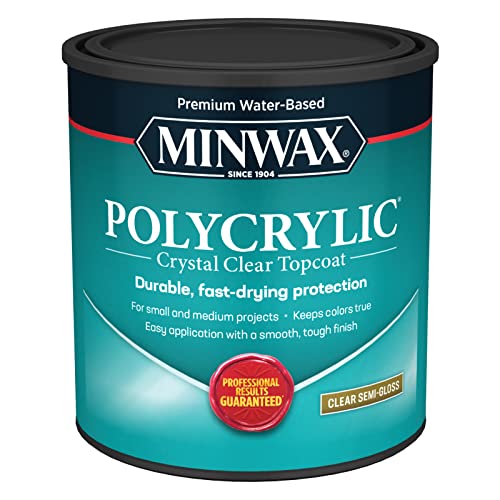 Minwax 1 qt Minwax 64444 Clear Polycrylic Water-Based32 fl oz4.4 x 4.4 x 5 inches2.25 poundsCheck on Amazon
Best overall: water-based polyurethane
A water-based polyurethane is the best general-purpose clear coat for a painted wood surface. It works over most fully cured latex and acrylic paints, dries quickly, and usually stays clear over white, gray, blue, and other pale colors. Choose a satin or matte sheen if you want to hide minor brush marks; gloss shows every flaw.
Look for a water-based polyurethane for painted wood labeled for interior furniture, cabinets, or floors, depending on the project. Floor finishes are generally harder wearing, but they can be less forgiving to apply and may cost more than necessary for a decorative item.
Water-based finishes often feel dry in 1 to 2 hours, but that does not mean they are fully hardened. Apply two or three thin coats, waiting for the time stated on the label. Lightly sand between coats with 320-grit paper only if the label recommends it or the surface feels rough. Do not use heavy pressure, which can cut through the paint at edges.
Clear coat options compared
| Finish | Best use | Advantages | Drawbacks |
|---|---|---|---|
| Water-based polyurethane | Indoor furniture, cabinets, shelves | Clear, low odor, fast drying, low yellowing | Can show lap marks; needs careful application |
| Oil-based polyurethane | Warm-colored furniture and high wear | Hard, durable film; good flow and leveling | Amber color, strong odor, slow drying |
| Acrylic clear coat | Decorative pieces and low-wear painted projects | Simple application and minimal color change | Usually less resistant to abrasion and heat |
| Spray lacquer | Smooth, sprayed finishes on compatible paint | Very fast drying and smooth when properly applied | Solvent can soften or wrinkle some paints |
When oil-based polyurethane makes sense
Oil-based polyurethane is a good choice for a painted surface only when slight ambering is acceptable and the paint is fully cured. It is especially useful over dark colors, warm whites, cream, brown, or distressed finishes where a warmer tone is not a problem. It forms a durable film and generally flows better than water-based polyurethane.
It is a poor choice over bright white or very pale gray paint. Even a “clear” oil finish can turn the surface noticeably yellow, especially in corners and on vertical edges. It also needs much longer between coats—commonly 8 to 24 hours—and the room must have strong ventilation. For this type of project, compare oil-based polyurethane for furniture with water-based products before buying.
Acrylic clear coats and lacquer
An acrylic clear coat is often enough for a low-wear project such as a painted sign, wall shelf, picture frame, or decorative box. It is usually cheaper and easier to use than a heavy-duty floor or cabinet finish. However, thin acrylic coatings may scratch or soften under hot cups and frequent handling. Use several thin coats rather than one thick coat.
Lacquer can produce an exceptionally smooth finish, particularly when sprayed, but it is not automatically safe over painted wood. The solvent in lacquer may attack uncured latex paint, enamel, or some specialty coatings, causing wrinkling, bubbling, or sticky patches. Use lacquer only when the paint manufacturer says it is compatible, and test it first. A clear acrylic spray sealer is generally a less aggressive option for small decorative pieces, though it still requires a test area.
Prepare the painted wood
The paint must be clean, dry, and properly bonded before any clear coat goes on. Allow latex or acrylic paint to cure for at least 3 days before clear coating; 7 days is safer for thick paint, cool conditions, or furniture that will receive heavy use. “Dry to the touch” only means the surface has skinned over.
Remove grease with a mild degreaser, then wipe with clean water if the product requires rinsing. Let the surface dry completely. Do not clear coat over wax, polish, silicone, dust, or an uncured paint film. If the paint is glossy, scuff it lightly with 320- or 400-grit paper until the shine is uniformly dulled. Sanding is not meant to remove the paint; it creates a mechanical key for the clear coat.
Vacuum the dust and wipe with a clean, slightly damp lint-free cloth. Avoid soaking MDF edges, veneer seams, or unfinished end grain. If the paint is peeling or can be lifted with a fingernail, fix that problem first. Clear coat will not stabilize poorly adhered paint.
How to apply clear coat without defects
Work between 60 and 80 degrees Fahrenheit with moderate humidity. Stir the finish slowly rather than shaking it, which introduces bubbles. Use a high-quality synthetic brush, a short-nap foam roller, or the spray method specified on the label.
Apply a thin, even coat and maintain a wet edge. Do not repeatedly brush an area after it begins to set. That creates cloudy spots, drag marks, and ridges. Pay special attention to edges, where liquid finish can pool and then run. After drying, remove dust nibs with very light 320- or 400-grit sanding, clean the surface, and add the next coat.
For a tabletop or frequently handled cabinet, three thin coats are a practical minimum. Two coats may be adequate for a frame or decorative shelf. Keep the piece lightly used for several days after the final coat; full hardness can take 1 to 4 weeks depending on the product, temperature, and film thickness.
Test before coating the whole piece
Brush the planned clear coat onto a hidden area or a leftover painted board. Check it after 24 hours and again after several days. Look for yellowing, loss of adhesion, softening, wrinkling, cloudiness, and unwanted changes in sheen. If the test fails, stop rather than trying to bury the problem under more coats.
For most painted wood projects, the sensible buying decision is a quality water-based polyurethane in satin sheen. Choose acrylic for light-duty decorative work, oil polyurethane when amber color and odor are acceptable, and lacquer only when compatibility has been confirmed.
0 Comments