What's inside
As an Amazon Associate I earn from qualifying purchases. This post may contain affiliate links at no extra cost to you.
Our Top Picks
 Minwax Fast Drying Polyurethane Protective Wood FinishQuart4.1 x 4.1 x 5.1 inches1 PoundsCheck on Amazon
 Varathane Water-Based Ultimate Satin PolyurethaneHalf Pint (Pack of 1)3 x 3 x 3 inches0.64 poundsCheck on Amazon

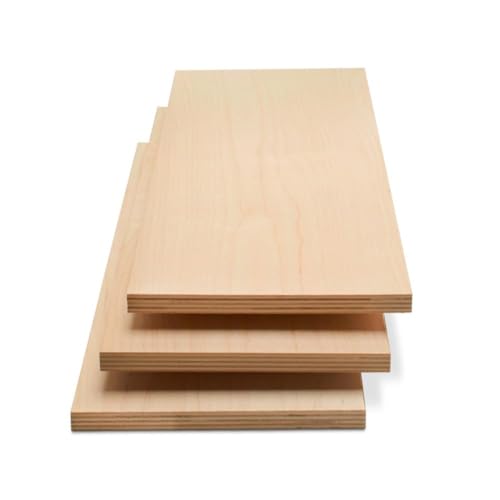
Best overall: paint-grade plywood with a solid-wood edge
For most painted storage benches, use 3/4-inch cabinet-grade birch plywood for the carcass and seat, then cover exposed plywood edges with solid poplar or birch edging. This combination stays flatter than a wide solid-wood panel, takes paint well after proper preparation, and is usually less expensive than building the whole bench from hardwood. It is a practical choice when the top will see regular sitting, bags, and household use.
Choose plywood with smooth faces and few voids, not rough sheathing or construction plywood. Those cheaper sheets can have patches and core gaps that telegraph through paint or show up when you shape an edge. For a seat longer than about 48 inches, add support underneath—such as a center rail or crosspieces—rather than relying on a broad sheet to span the full distance. The exact support spacing depends on the design and expected load, but unsupported spans are a common source of sagging.
As an Amazon Associate we earn from qualifying purchases at no extra cost to you.
Compare common choices
| Material | Strengths | Trade-offs | Best use |
|---|---|---|---|
| Cabinet-grade birch plywood | Stable, strong for its weight, broad panels | Needs edge banding or solid edging; quality varies | Carcass and seat panels |
| Poplar | Easy to machine, smooth, usually economical | Can dent more readily than maple or oak | Frames, edging, and trim |
| Maple | Hard, wear-resistant, paints smoothly when prepared | Costs more; slick grain can make adhesion prep important | High-wear seat edges and solid tops |
| MDF | Very smooth faces, no grain to fill | Heavy; edges absorb paint and swell if wet | Indoor panels protected from moisture |
| Pine | Inexpensive and widely available | Soft, prone to dents; knots and resin can bleed through paint | Budget benches with a careful knot-sealing step |
When to choose solid wood
Poplar is a dependable solid-wood option for a painted bench frame. It is readily available, machines cleanly, and is generally less costly than hard maple. Use it for legs, rails, face frames, and narrow top boards. Its relative softness means a sharp corner can dent, so ease exposed edges slightly and expect more wear if the bench doubles as a work surface.
Maple makes sense when the seat edge will take frequent impacts or you want a solid-wood top that can be renewed later. It is harder than poplar, but it costs more and still needs sound joinery and a suitable finish. Solid boards change width as indoor humidity changes; glue up a wide top with the growth and grain arranged thoughtfully, and attach it with fasteners or clips that allow seasonal movement. Do not glue a solid top rigidly across a wide plywood base.
Plywood or MDF?
MDF is appealing because its face is exceptionally smooth and has no visible wood grain. It works well for a bench kept indoors in a dry room, especially for a painted seat panel with solid-wood support beneath it. It is heavy, however, and its edges soak up primer. Seal those edges carefully, and keep MDF away from damp entryways, wet floors, and uncovered outdoor use: water can make it swell, and swollen edges are difficult to restore.
Plywood is the safer all-around choice where the bench may encounter occasional moisture or needs to be moved. It is not waterproof, and exposed edges can still absorb water, but its layered construction is generally more forgiving than MDF. For a clean painted result, look for 3/4-inch cabinet-grade birch plywood and inspect the sheet before buying. Reject panels with delamination, deep face damage, or obvious voids along an edge you plan to expose.
Build for a durable seat
Paint and topcoat cannot compensate for a weak bench. Use a frame with rails under the seat, sound mechanical joinery, and glue suited to the wood and indoor conditions. A quality PVA wood glue is suitable for most interior bench joints, but it needs close-fitting surfaces and clamp pressure according to the label. Wipe away squeeze-out before it hardens; dried glue is difficult to see until stain or paint refuses to adhere evenly.
For a hinged storage lid, use properly mounted hinges and consider a lid support so the top does not slam shut. Sand sharp corners to a small radius—about 1/8 inch is enough to help a finish stay on an edge. Paint and clear coats tend to wear through first on crisp corners because there is less coating there and impacts concentrate at the edge.
Prepare the surface before painting
Fill small defects with a paintable wood filler, then sand the surface evenly. Start around 120 grit when leveling rough spots, and finish at 150 or 180 grit for most paint-grade wood. Going much finer can burnish some surfaces and reduce primer grip. Remove dust with a vacuum and a clean cloth; dust left in corners and along edges becomes a rough patch under the finish.
Prime bare wood before applying paint. Use a primer appropriate to the surface, and seal knots or resinous spots with a stain-blocking primer to reduce yellow or brown bleed-through. Pine is the most likely material here to surprise you with knots, but even a good-looking board can have resin pockets. MDF edges need extra attention: apply primer, let it dry, sand lightly, and repeat if the edge still looks fuzzy or absorbs the coat unevenly.
Choose a quality waterborne enamel or furniture paint for the color coat, then let it cure according to its label before putting the bench into service. A clear coat can add protection, but check compatibility with the paint; some clear finishes can alter color or adhesion. For a clear topcoat over paint, use a water-based polyurethane topcoat labeled as compatible with painted surfaces. Apply thin coats rather than one heavy coat, and lightly sand between coats only as directed.
What to buy for your project
For a typical indoor bench, a sensible shopping list is cabinet-grade plywood, poplar for edging and frame parts, a suitable wood glue, filler, primer, paint, and—if the seat needs extra abrasion resistance—a compatible clear topcoat. Use paint-grade poplar boards for visible solid-wood parts. If price is the priority and the bench will stay dry, pine can work; select straight, knot-free boards where possible and seal any knots before painting. The upgrade to maple is worthwhile mainly when a harder solid-wood edge matters, not simply because the bench is painted.
Let each coat dry and cure for the time specified by its manufacturer. “Dry to the touch” does not mean ready for a heavy load: early use can leave dents, sticking marks, or imprints from stored items. A careful material choice, supported seat, sealed edges, and patient surface preparation will do more for the bench’s service life than adding extra coats over a poorly prepared surface.
0 Comments