What's inside
As an Amazon Associate I earn from qualifying purchases. This post may contain affiliate links at no extra cost to you.
For a painted outdoor bench, choose wood that stays reasonably stable, holds screws well and is dry enough to paint. The paint protects the surface, but it cannot stop wet wood from swelling, joints from trapping water or end grain from soaking it up. For most DIY builds, cedar is the easiest dependable choice; pressure-treated lumber is a lower-cost option if you let it dry thoroughly before painting. Rot-resistant hardwoods can last well, but they cost more and still need sound design and regular paint maintenance.
As an Amazon Associate we earn from qualifying purchases at no extra cost to you.

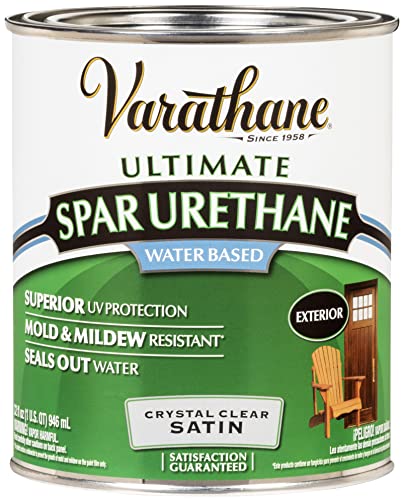
Our Top Picks
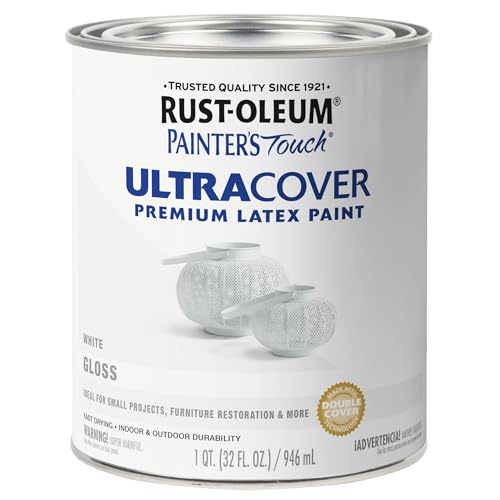 Rust-Oleum Painter's Touch Latex Brush-On Paint1 Quarts (Pack of 1)5 x 5 x 8 inches2.4 poundsCheck on Amazon
Wood choices at a glance
| Wood | Cost | Paint readiness | Best use |
|---|---|---|---|
| Cedar | Moderate to high | Good when dry; soft and easy to dent | Most painted benches |
| Pressure-treated pine | Low | Often too wet when sold; needs drying | Budget builds with time to prepare |
| Untreated pine | Low | Easy to paint, but less rot-resistant | Covered porches or replaceable parts |
| Cypress or redwood | High or region-dependent | Good when dry; supply varies | Long-lived builds where locally available |
| White oak | High | Paintable, but heavy and harder to work | Premium benches where weight is acceptable |
Cedar: the best all-around choice
Western red cedar is naturally resistant to decay and weighs less than many durable alternatives, so a bench is easier to move. It cuts and sands easily and generally accepts primer and paint well once the surface is clean and dry. The trade-off is softness: seat boards can dent, and fasteners driven too close to an edge can split the wood. Pre-drill near ends and use exterior-rated screws.
Choose straight, sound boards without large knots at the joints or deep checks at the ends. Cedar’s natural oils and extractives can sometimes discolor light paint, particularly if the surface gets wet. A stain-blocking exterior primer is a sensible safeguard. Cedar costs more than common pine, but the lower weight and better decay resistance make it a practical choice for a bench exposed to rain.
Pressure-treated pine: cheap, but patience matters
Pressure-treated lumber is widely available and usually the least expensive option for an exposed bench. Its preservative treatment helps protect against decay, but it does not make wet lumber ready to paint. Boards may be sold with enough moisture to cause paint to peel as the wood dries and shrinks. Let them dry until their moisture content is about 15% or lower; a moisture meter is more reliable than judging by calendar time. Depending on weather and board thickness, drying can take weeks or longer.
Use boards that are straight and free of severe checking, and avoid building tight joints that hold water. If the bench must be built immediately, leave the treated lumber unpainted until it has dried, then clean and prepare it before coating. Fresh treatment can be irritating; wear gloves and follow the lumber supplier’s handling guidance. Do not burn scraps.
When other woods make sense
Untreated pine is inexpensive and takes paint easily, but it has less natural resistance to decay. It is reasonable for a bench under a deep porch roof, or where boards can be replaced without much trouble. For full weather exposure, expect more upkeep and a shorter service life than with cedar or properly dried treated lumber.
Cypress and redwood can be durable choices, especially where they are locally available, but price and board quality vary by region. White oak is strong and naturally durable, yet it is heavy and can be expensive; its tannins may also stain paint if moisture gets through. For most painted benches, the extra cost and weight are hard to justify over cedar. Tropical hardwoods are often chosen for natural finishes, not because paint makes them a better-value bench material.
Prepare the wood for paint
Good preparation matters as much as species. Assemble with exterior-rated fasteners, keep seat gaps open so water drains, and round sharp edges slightly. Paint tends to wear thin first on crisp corners. Avoid pockets and horizontal ledges that collect water, and leave the underside accessible for air circulation.
Sand rough boards with 80- to 120-grit abrasive, then remove dust. You do not need to polish outdoor furniture smooth; a uniformly prepared surface is the goal. Replace or fill defects that will hold water, but do not rely on filler to repair a weak joint. Apply primer to every face, including board ends and the underside, before assembly when practical. End grain absorbs moisture quickly, so give it a thorough coat. Use a stain-blocking exterior primer suited to your wood and finish paint, such as these exterior wood primers.
Finish with two coats of quality exterior paint, following the label for temperature, recoat time and coverage. A durable exterior acrylic paint is a common choice for wood furniture. Do not coat damp lumber or paint in direct hot sun if the product label warns against it. Keep water from entering through exposed end grain, screw holes and joints.
What to buy
For a typical uncovered backyard bench, buy straight cedar boards and a compatible exterior primer and paint. If budget is the priority, pressure-treated pine is a reasonable substitute when you can wait for it to dry before finishing. Untreated pine is acceptable under cover, but is a poor bargain if the bench will sit wet for long periods. Whichever wood you choose, plan to inspect the finish each year. Touch up cracked or peeling paint promptly; once water gets behind the coating, peeling and soft wood can spread under paint that still looks intact elsewhere.
0 Comments