What's inside
- Why Oak Needs a Different Primer Approach
- Primer vs. Grain Filler: Don’t Confuse Them
- The 4 Primer Types That Actually Work on Oak
- Comparison: Which Primer for Your Goal
- How to Choose Based on What You Are Painting
- Red Oak vs White Oak: Which Needs More Primer Work?
- Step-by-Step: Prepare, Fill, Prime, and Paint Oak
- Oak Grain Filler Options: Do You Need One?
- Shellac vs Oil-Based Primer for Oak: Quick Product Notes
- Troubleshooting: Fixing Common Problems When Priming Oak
- Tools and Materials Checklist for Priming Oak
- Application Tips That Prevent Common Failures
- Oak Primer Decision Guide: Match Your Project to a Plan
- How Long Should You Wait Between Steps on Oak?
- When You Can Save Money
- Primer for Oak Grain: Frequently Asked Questions
- Related Guides
- Why Oak Needs a Different Primer Approach
- Primer vs. Grain Filler: Don’t Confuse Them
- The 4 Primer Types That Actually Work on Oak
- Comparison: Which Primer for Your Goal
- How to Choose Based on What You Are Painting
- Red Oak vs White Oak: Which Needs More Primer Work?
- Step-by-Step: Prepare, Fill, Prime, and Paint Oak
- Oak Grain Filler Options: Do You Need One?
- Shellac vs Oil-Based Primer for Oak: Quick Product Notes
- Troubleshooting: Fixing Common Problems When Priming Oak
- Tools and Materials Checklist for Priming Oak
- Application Tips That Prevent Common Failures
- Oak Primer Decision Guide: Match Your Project to a Plan
- How Long Should You Wait Between Steps on Oak?
- When You Can Save Money
- Primer for Oak Grain: Frequently Asked Questions
- Related Guides
As an Amazon Associate I earn from qualifying purchases. This post may contain affiliate links at no extra cost to you.
Updated October 2026 — Short answer on how to choose primer for oak grain before painting: pick a shellac-based or oil-based stain-blocking primer to stop tannin bleed, and add a grain filler first if you want a smooth, cabinet-grade finish. Primer alone softens oak grain but does not fill its deep pores.
Our Top Picks
 Rust-Oleum Automotive Stops Rust Filler & Sandable Spray12 Ounce (Pack of 1)7.1 x 3.9 x 1.6 inches0.7 poundsCheck on Amazon
 AquaCoat Water-Based White Cabinet Wood Grain Filler Gel16 Fl Oz (Pack of 1)10 x 10 x 10 inches1.2 poundsCheck on Amazon
 RUST-OLEUM 1 qt Zinsser 271009 White Zinsser32 Fl Oz (Pack of 1)5.8 x 9.1 x 9.2 inches0.2 poundsCheck on Amazon


Why Oak Needs a Different Primer Approach
Red oak and white oak are both ring-porous hardwoods with large, open grain. Those long pores run deep and will telegraph through paint if you use a thin, general-purpose primer. On typical drywall primer or cheap water-based wall primer, you’ll see the grain pattern after two coats of topcoat, plus tiny pinholes where air escaped from the pores as the paint dried.
Oak also has high tannin content, especially red oak. Tannins are water-soluble extractives that cause yellow or brown bleed-through, often showing up weeks after you paint. Knots and the dark latewood bands are the worst offenders. A primer that doesn’t block tannins will look fine on day one and blotchy by day thirty. If your oak has already been stained or has an old oil finish, those contaminants make bleed even more likely.
As an Amazon Associate we earn from qualifying purchases at no extra cost to you.
You have two separate problems to solve: filling or hiding the grain texture, and sealing tannins. No single thin primer does both perfectly. You need to decide how smooth you want the final surface before you choose the product.
Primer vs. Grain Filler: Don’t Confuse Them
Primer’s job is adhesion and stain blocking. Grain filler’s job is leveling the surface. Many people try to use primer as filler by stacking 3-4 coats, which wastes material, builds a soft film that chips easily, and still doesn’t fully fill oak pores.
If you want a glass-smooth, factory-cabinet look on oak, you need a grain filler or paste filler first, then primer. If you are okay with visible but softened grain texture — common for trim, bookshelves, or farmhouse-style cabinets — a high-build primer alone is enough.
A practical rule: run your hand over raw sanded oak. If you can feel the pores catch your fingertip, primer alone will not make it smooth. Filler will. If you can only see the grain but not feel deep valleys, a good primer will be sufficient.
The 4 Primer Types That Actually Work on Oak
Not all primers labeled “for wood” are equal on oak. Here is how they perform where it matters:
1. Shellac-based primer (white pigmented shellac)
This is the gold standard for tannin blocking on oak. It dries in 30-45 minutes, seals knots, and blocks bleed in one coat. It also adheres to almost any old finish and sands to a fine powder without gumming. Downsides: strong alcohol smell, requires denatured alcohol for cleanup, and it is brittle if applied too thick. It does not fill grain — it’s very thin. Use it when bleed-through is your biggest risk.
2. Oil-based (alkyd) primer
Excellent tannin resistance, better grain-filling build than shellac, and a longer open time so it levels well. Dries in 2-4 hours to touch, 24 hours before topcoating. Cleanup requires mineral spirits. It will yellow slightly if you use a light topcoat and will often need good ventilation for a day. A solid choice for oak trim and doors where you want some build without a separate filler.
3. Water-based acrylic primer
Low odor, fast dry (1 hour to touch), easy soap-and-water cleanup. Modern acrylic-alkyd hybrids have improved, but most standard 100% acrylic wood primers are weak tannin blockers. On raw oak you will often need two coats and still get faint yellow shadowing on knots after a few weeks. Only choose this if you are painting over already-primed or previously painted oak, or you have verified the product specifically says “tannin-blocking.”
4. High-build acrylic or sandable filler-primer
These are thick, high-solids primers made to fill pores and sand flat. They can reduce oak texture by 60-80% in two coats when sanded between coats with 220-grit. They are water-based, so check the label — many still need a shellac spot-prime on knots first. Best for oak cabinets when you want to avoid a separate paste filler step but still want a smoother finish than standard primer can give.
Comparison: Which Primer for Your Goal
| Primer Type | Tannin Blocking | Grain Fill / Build | Dry & Sand Time | Best Use on Oak |
|---|---|---|---|---|
| Shellac-based | Excellent – 1 coat | Very low – thin film | 45 min, sands easily | Raw red oak, cabinets prone to bleed, over knots |
| Oil-based Alkyd | Very good – 1 coat | Medium | 2-4 hrs, 24 hrs to topcoat | Trim, doors, furniture where build matters |
| Standard Water-based Acrylic | Poor to fair – often needs 2 coats | Low | 1 hr, sands in 2 hrs | Pre-primed oak or low-risk white oak |
| High-build Sandable Acrylic | Fair (check label) | High – best for smoothing | 1-2 hrs, sands flat | Cabinet boxes/doors when you want texture reduced without paste filler |
How to Choose Based on What You Are Painting
For oak kitchen cabinets with a smooth finish: Plan on two steps. Apply a tinted paste grain filler, squeegee it across the grain, let it dull, then sand flat with 220-grit. Follow with a shellac-based primer to lock down tannins. This combination gives you the flattest surface and the lowest risk of bleed. If you skip filler and use only shellac, you will still see grain lines; if you skip shellac and use only high-build primer, knots will yellow.
For oak trim, baseboards, and interior doors: Texture is less critical and speed matters. A single coat of oil-based primer is the practical workhorse. It gives enough build to soften the grain and blocks tannins without a second product. If you must stay low-odor indoors, use a high-build sandable acrylic primer but spot-prime knots and dark grain bands first with shellac. That spot-priming adds 15 minutes and prevents the most common failure.
For oak plywood or veneer: Veneer is thin and sands through quickly. Do not sand aggressively to 120-grit. Sand to 150-180, vacuum, tack, then use a thin shellac or acrylic primer. Heavy high-build primers can raise the grain and create a wavy surface on plywood if you sand too hard to level them.
For previously finished oak: Sand with 150-grit to scuff the old clear coat, clean with a wax/grease remover, then test adhesion. Shellac adheres best to unknown finishes. Oil-based is second. Standard acrylic may need a bonding primer label if the old finish is polyurethane or lacquer.
Red Oak vs White Oak: Which Needs More Primer Work?
Both species have open grain, but they behave differently under paint.
- Red oak: has very open, porous grain, the deepest pores of the two, and is the usual reason people ask how to choose primer for oak grain. It is also high in tannins, so bleed-through is a real risk.
- White oak: has tighter pores because the vessels are partly plugged with tyloses, but it is also tannin-rich and can bleed a brownish tint through water-based paint.
- Quarter-sawn or rift-sawn oak: shows less open-pore texture than plain-sawn boards, so grain filler is often optional.
In practice, treat both as tannin-heavy woods and block them. Choose filler by how deep the pores feel on your fingertip.
Step-by-Step: Prepare, Fill, Prime, and Paint Oak
1. Clean and degloss
Wash with a degreaser, rinse, and let the wood dry fully. Kitchen cabinets carry cooking grease, which will cause paint to peel if it is not removed. Scuff glossy factory finishes with 150-grit sandpaper.
2. Sand to 150-grit and remove dust
Sand with the grain, vacuum, and wipe with a tack cloth. Do not go finer than 150-grit on raw oak, because overly smooth wood can reduce primer adhesion.
3. Fill the grain, if you want a smooth finish
Work a white or paintable water-based grain filler across the grain with a plastic spreader, scraping off the excess. Let it dry fully, often 2 to 4 hours or as the label says, then sand flat with 180 to 220-grit. Repeat if the pores still show.
4. Spot-prime knots and dark bands
Dab shellac onto knots and heavy tannin streaks before the full coat. This 15-minute step prevents most bleed-through failures.
5. Prime
Apply one or two thin coats of your chosen primer. Sand lightly between coats with 220-grit. Dry times depend on type: shellac within an hour, oil primers overnight before topcoating.
6. Paint
Use a high-quality enamel or cabinet paint. Apply two thin coats, sanding lightly with 320-grit between coats for a smooth finish.
Oak Grain Filler Options: Do You Need One?
A grain filler is a thick paste that fills open pores so the final surface is flat. It is a different product from primer and goes on first.
Water-based gel fillers
Water-based gels are low odor, quick drying, and sandable. They are the easiest to work with indoors and are widely used for painted cabinets. White versions are made to be painted over.
Traditional paste fillers and lightweight spackle
Some painters use lightweight spackle or drywall compound thinned slightly, which is cheap but can shrink or sand unevenly. Dedicated grain fillers shrink less and hold up better on cabinet doors.
When to skip filler
Skip filler on trim, shelving, and farmhouse-style projects where visible grain is part of the look. Use a high-build primer and accept a soft grain texture.
AquaCoat White Cabinet Wood Grain Filler Gel — a paintable water-based filler

The AquaCoat white water-based filler gel is made for filling open grain under paint. It is sold as fast drying, low odor, sandable, and paintable, which makes it practical for cabinet doors worked in an occupied house.
Skip it if… you want to keep visible grain or plan a clear or stained finish, where a clear filler is the better choice.
Shellac vs Oil-Based Primer for Oak: Quick Product Notes
Zinsser B-I-N Shellac Primer — fast, strong tannin blocking
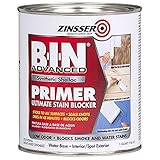
The Zinsser B-I-N is a shellac-based stain blocker made for knots, tannins, smoke, and water stains. It dries fast and bonds to many surfaces, which is why it is the common choice for raw red oak and for spot-priming. Expect a strong alcohol smell and ventilate the room.
Skip it if… you cannot ventilate the space or need a primer that builds to fill grain.
Zinsser Cover Stain Oil-Based Primer — more build, slower dry

The Zinsser Cover-Stain is an oil-based stain-blocking primer with good adhesion, and painters often pick it when they want a little more build on oak trim and doors. It sands well once dry and cleans up with mineral spirits.
Skip it if… you need a quick recoat time or a low-odor product.
Troubleshooting: Fixing Common Problems When Priming Oak
- Grain still shows after two coats: primer cannot fill deep pores. Sand lightly, apply grain filler, then re-prime.
- Yellow or brown stains appear days later: tannin bleed. Spot-seal the stains with shellac and repaint.
- Pinholes in the finish: trapped air escaped from the pores. Fill them, sand smooth, and prime again with thin coats.
- Peeling paint on cabinets: skipped degreasing or deglossing. Strip the loose paint, clean thoroughly, and use a bonding primer.
- Raised grain after water-based primer: sand lightly with 220-grit between coats.
- Fish-eyes or craters: oil, wax, or silicone residue on the surface. Wipe with a wax and grease remover before priming.
Tools and Materials Checklist for Priming Oak
- Degreaser, clean rags, tack cloth
- 150-grit and 220-grit sandpaper or foam sanding pads
- Plastic putty knife or squeegee for grain filler
- Shellac or oil-based primer, plus a smaller can for spot-priming
- Natural bristle brush for oil and shellac, synthetic brush for water-based products
- Mineral spirits or denatured alcohol, depending on primer
- Respirator rated for organic vapors, gloves, and good ventilation
Application Tips That Prevent Common Failures
Oak will punish shortcut prep. Sand raw oak to 150-grit, no finer. Going to 220 on raw wood burnishes the surface and reduces primer adhesion, while leaving it at 120 leaves scratches that show through paint. Vacuum thoroughly with a brush attachment, then wipe with a barely damp tack cloth. Do not use a wet rag that raises grain.
Apply primer at the spread rate on the can — typically 300-350 square feet per gallon for shellac and oil, 250-300 for high-build. Brushing too thick causes cracking with shellac and prolonged tackiness with oil. Two thin coats always outperform one thick one.
Sand between coats with 220-grit foam pads. Oak’s earlywood is soft; a hard block will cut through primer on the ridges and leave pores unsealed. You should see a fine white powder when sanding, not gummy clumps. If the primer balls up, it is not dry — wait another hour for water-based, overnight for oil.
Temperature and humidity matter more on oak than on drywall. Below 50°F or above 75% humidity, tannin bleed increases and dry times double. If you can’t control the environment, shellac is the safest bet because it cures by solvent evaporation, not coalescence.
For topcoat compatibility: shellac and oil primers accept any water-based or oil-based enamel. If you use a paste grain filler for oak, let it cure fully per the label (often 24 hours) before priming, or the primer solvents will lift it and create craters.
Oak Primer Decision Guide: Match Your Project to a Plan
Painted oak kitchen cabinets, smooth finish
Degrease, scuff, apply a white water-based grain filler, sand flat, spot-prime knots with shellac, apply one thin coat of shellac or oil-based primer, then two thin coats of cabinet enamel. Plan on several days because each step needs dry time.
Oak trim and baseboards
Clean, sand to 150-grit, apply one coat of oil-based stain-blocking primer, lightly sand, and paint. Grain will show softly, which suits most trim.
Oak furniture with a dark paint color
Dark colors hide tannin bleed, so a bonding primer may be enough. Still spot-prime knots, because a pale yellow halo can show under navy or black paint in strong light.
Oak floors or stair treads
Painted floors need a floor-rated system, not cabinet primer. Check the label for foot-traffic ratings, and expect to recoat more often.
Oak veneer and plywood
Sand lightly, because veneer is thin. Use a thin shellac or bonding primer and skip heavy filler layers that need aggressive sanding.
How Long Should You Wait Between Steps on Oak?
- Grain filler: follow the label, commonly 2 to 4 hours before sanding, longer in cool or humid rooms
- Shellac primer: about 30 to 45 minutes to recoat
- Oil-based primer: 2 to 4 hours to touch, about 24 hours before topcoating
- Water-based primer: about 1 hour to recoat, 2 hours to sand
- Paint: follow the can, and allow several days of light use before heavy wear
Cool temperatures and high humidity stretch every one of these times, so give oak extra time when conditions are far from room temperature.
When You Can Save Money
You do not need the most expensive system for every job. If you are painting oak shop shelving, garage trim, or any project using white oak with a dark topcoat (charcoal, navy, forest green), tannin bleed is invisible and grain texture adds character. A single coat of standard acrylic wood primer followed by two coats of quality acrylic enamel will hold fine, and you can skip shellac entirely.
Similarly, if the oak has been sealed for years under paint and you are just repainting after a light scuff sand, there is no active tannin migration. In that repaint scenario, a good acrylic bonding primer is cheaper, lower odor, and perfectly adequate. Save the shellac for raw wood and problem knots.
Where not to economize: raw red oak cabinets, oak with prominent knots, or any oak you are painting white or light gray.
Primer for Oak Grain: Frequently Asked Questions
What is the best primer for oak grain before painting?
A shellac-based or oil-based stain-blocking primer is the best choice for oak. It seals tannins and grips well, and a separate grain filler handles the pores.
Can I paint oak without filling the grain?
Yes. Primer and paint will soften but not hide the grain. This looks fine on trim and furniture, but cabinet doors usually need filler for a smooth finish.
Do I need to sand oak before priming?
Yes. Sand raw oak to 150-grit, and scuff finished oak with 150-grit to degloss it. Always vacuum and wipe off the dust afterward.
How many coats of primer does oak need?
One or two thin coats of shellac or oil-based primer. Add a coat only if stains show through after the first.
Is shellac primer better than oil-based primer on oak?
Shellac blocks tannins faster and dries in under an hour, while oil-based primer builds a little more and is easier to brush level. Both work; choose by odor tolerance and drying time.
Can I use water-based primer on oak?
You can on previously painted or sealed oak. On raw red oak, water-based primers often let tannins bleed through, so spot-seal with shellac first.
0 Comments