

What's inside
- Best Bowl Turning Tools on a Budget
- Quick Picks by Situation
- 1. Best All-Rounder: A 5/8-Inch Bowl Gouge
- 2. Best for Difficult Grain: A Bowl Scraper
- 3. Best Low-Maintenance Choice: Replaceable-Carbide Tools
- Head-to-Head Comparison
- How to Spend a Limited Budget
- Setup and Maintenance That Affect Performance
- Final Recommendation
- Related Guides
As an Amazon Associate I earn from qualifying purchases. This post may contain affiliate links at no extra cost to you.
Our Top Picks


Best Bowl Turning Tools on a Budget
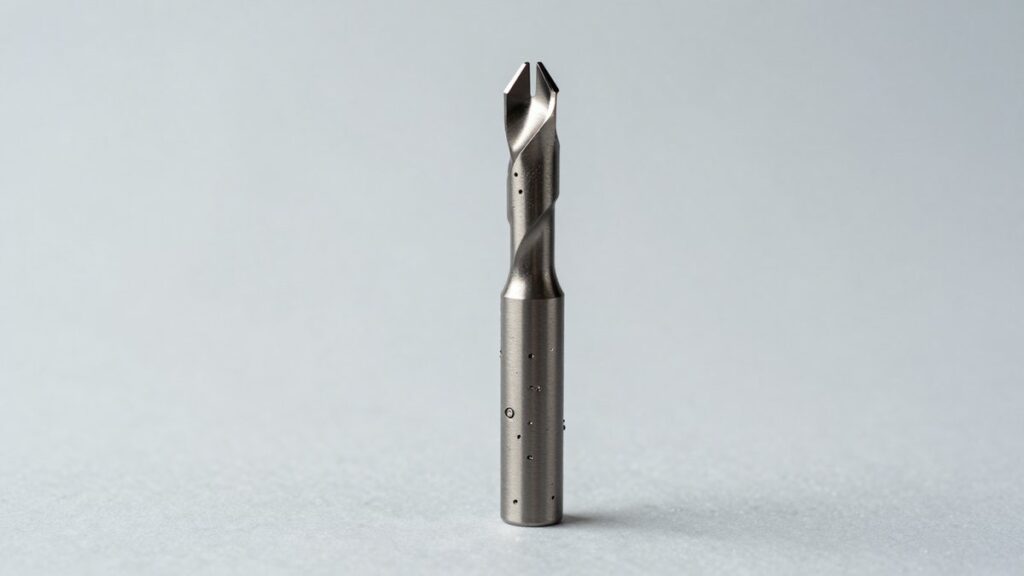
The best bowl turning tools under 150 are usually a 5/8-inch bowl gouge for versatile wood removal, a heavy scraper for difficult grain and finishing, or a replaceable-carbide tool for beginners who want the shortest learning curve.
Quick Picks by Situation
| Situation | Best choice | Relative price | Why it fits |
|---|---|---|---|
| One tool for most bowls | 5/8-inch swept-back bowl gouge | Upper mid-range | Good balance of capacity, control, and cutting efficiency |
| First bowl-turning tool | 1/2-inch bowl gouge with a 12–16 inch handle | Lower mid-range | Less intimidating than a large gouge and useful on small to medium bowls |
| Mostly dry wood or interrupted grain | Heavy round-nose or teardrop scraper | Budget | Simple presentation and fewer bevel-related surprises |
| Beginner with limited sharpening equipment | Replaceable-carbide bowl tool | Lower mid-range | Uses a flat cutter and avoids frequent grinder setup |
| Large bowls on a modest lathe | 5/8-inch or 3/4-inch bowl gouge | Upper mid-range | Stiffer shaft and longer handle improve leverage, if the lathe has enough capacity |
1. Best All-Rounder: A 5/8-Inch Bowl Gouge
A 5/8-inch bowl gouge is the strongest general-purpose choice in this budget class. Its shaft is stiff enough for face-grain bowl interiors, yet it is not excessively heavy for bowls around 8 to 12 inches in diameter. A swept-back or fingernail grind gives the wings a useful slicing angle for entering the side wall and shaping the transition from wall to bottom.
As an Amazon Associate we earn from qualifying purchases at no extra cost to you.


Look for high-speed steel rather than carbon steel. HSS keeps its edge longer, tolerates repeated sharpening, and is less vulnerable to rust. Powder-metal or particle-metal HSS can hold an edge particularly well, but it often pushes the price toward the top of this budget. A conventional M2 HSS gouge is still a sound value for occasional turning.
Flute geometry matters more than the label
A deep, fairly open flute removes stock efficiently and gives a clear cutting edge when the gouge is rolled on its side. A shallower flute is more forgiving for beginners and can leave a smoother surface, but it gives up some aggressive hollowing ability. A swept-back wing is versatile; a heavily swept wing offers cleaner pull cuts but demands more consistent bevel contact.
For a first purchase, choose a gouge with a medium-depth flute and a moderate swept-back grind rather than an extremely long, thin wing. The latter can catch if the edge is presented too far below center or if the bevel loses contact.
2. Best for Difficult Grain: A Bowl Scraper
A scraper is not a replacement for a gouge, but it is often the best second tool. Round-nose scrapers are useful for smoothing the bottom of a bowl, refining a transition, and working wood with changing grain direction. A teardrop scraper adds a curved edge that can reach into a cove or corner more easily than a straight scraper.
Choose a scraper with a shaft approximately 3/8 to 1/2 inch thick and a handle at least 12 inches long. Heavy steel reduces vibration, especially when the tool is extended over the rim. A short-handled scraper is easier to maneuver on small bowls but gives less leverage and can place your hands close to the spinning work.
Scrapers are commonly made from HSS or high-carbon tool steel. HSS resists overheating and is a practical choice for frequent use. Carbon steel can work well, but it needs more attention to rust and should not be held against a grinder long enough to discolor the edge.
Bevels and burrs change the cut
A freshly ground scraper can be used with a small burr left on the edge. A burnished burr can produce a more refined cut, but it wears away quickly. When the tool begins to rub rather than cut, refresh the edge instead of increasing downward pressure. Excess pressure is a common cause of catches, torn grain, and unnecessary fatigue.
3. Best Low-Maintenance Choice: Replaceable-Carbide Tools
Carbide bowl tools use a replaceable cutter, usually round, square, or radiused. The cutter does not require a hollow grind or a burr, so setup is simple: keep the tool level, present the cutter near center, and advance gradually.
Round cutters are versatile for shaping and shallow interior curves. Square cutters remove material quickly on flatter surfaces but are less comfortable in tight transitions. Radiused cutters sit between the two and are often the most useful single shape for small and medium bowls.
Carbide is especially attractive when you turn only occasionally or do not yet own a sharpening system. However, carbide does not automatically produce a better surface. It generally scrapes or shears with a small cutting edge rather than slicing like a properly presented bowl gouge. Expect to spend more time sanding, particularly on end grain and the inside bottom of a bowl.
Replacement cutters are a recurring cost that varies with size and coating. That is an ownership cost a listing may not make obvious. A carbide tool can require several replacement edges over its life, while a gouge mainly requires grinding wheels, honing supplies, and occasional steel removal.
Head-to-Head Comparison
| Tool type | Typical steel or cutter | Useful handle length | Sharpening demand | Best bowl size | Surface control |
|---|---|---|---|---|---|
| 1/2-inch bowl gouge | M2 HSS or powdered HSS | 12–16 in | Moderate; usually every 10–30 minutes of active cutting | 4–10 in | High once bevel control is learned |
| 5/8-inch bowl gouge | M2 HSS or powdered HSS | 14–18 in | Moderate | 6–14 in | Very high; strong bevel-supported cuts |
| Heavy round-nose scraper | HSS or high-carbon tool steel | 12–16 in | Low to moderate; edge refresh is quick | 6–14 in | Good for transitions and troublesome grain |
| Carbide bowl tool | Replaceable carbide cutter | 10–16 in | Low; rotate or replace cutter | 4–10 in | Predictable, but usually less refined than a sharp gouge |
How to Spend a Limited Budget
If you already own a grinder, put most of your budget into a 5/8-inch HSS bowl gouge. The grinder matters because a gouge that is technically sharp but poorly shaped will be harder to control than a less expensive tool with a consistent grind.
If you have no sharpening setup, a carbide tool from the lower end of the budget may leave enough money for a face shield, sharpening stone, and spare cutter. This is a sensible entry route, but plan to add a gouge later if you want cleaner surfaces and more efficient bowl hollowing.
Another practical combination is a moderately priced 1/2-inch gouge plus an inexpensive scraper. Together, they cover small bowls, medium bowls, difficult grain, and final cleanup without concentrating the entire budget in one tool.
Setup and Maintenance That Affect Performance
- Match the handle to the work: Use roughly 12–14 inches for small bowls and 14–18 inches when the tool must reach across a larger rim. A longer handle adds leverage but can feel cumbersome on a small lathe.
- Keep the flute clean: Resin and dust can obscure the edge and make a gouge appear dull. Brush the flute after use and wipe exposed steel with a light rust-preventive product.
- Sharpen before forcing: If a gouge needs more pressure to cut, stop and sharpen it. Pushing harder increases vibration and makes a catch more likely.
- Do not quench overheated HSS repeatedly: Let the edge cool in air between short grinding passes. Blue discoloration indicates that the steel has been overheated at the edge.
- Rotate carbide cutters: Turning the cutter periodically distributes wear and can provide a fresh edge without buying a replacement immediately. Replace it when rotation no longer restores cutting performance.
- Check the tool rest: Keep the gap from the workpiece small and adjust it often as the bowl diameter changes. A large gap reduces support regardless of how good the tool is.
Final Recommendation
For most woodturners, the best bowl turning tools under 150 are a 5/8-inch swept-back HSS bowl gouge as the primary tool and a modest heavy scraper as the next purchase. Choose carbide instead when sharpening access, storage space, or infrequent use matters more than maximum cutting quality. The right flute shape, handle length, and bowl-size match will affect results more than a small difference in brand or advertised steel grade.
Related guides
More from Amazon
Programs that pair well with the guide above. Offers and eligibility are set by Amazon and may change.
A free business account with business pricing and bulk-buying tools for work, shop or home office.
Create a business accountFree shipping on eligible items, Prime Video and more. Eligible new members can start with a free trial.
Start a Prime free trialAudiobooks and podcasts to listen to on the go. Eligible new members can start with a free trial.
Try Audible freeAd-free music streaming. Eligible new subscribers can start with a free trial.
Try Music Unlimited freeAs an Amazon Associate we earn from qualifying purchases.
Write Your Review
No reviews yet. Be the first to share your experience!