

What's inside
As an Amazon Associate I earn from qualifying purchases. This post may contain affiliate links at no extra cost to you.
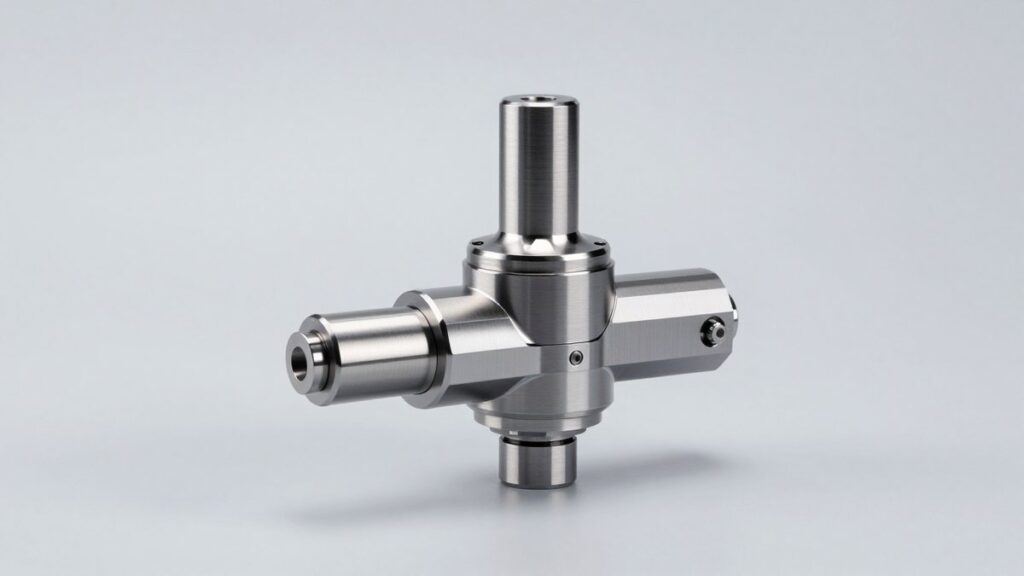
Lathe attachments are add-on components—chucks, rests, centers, steady rests, and sharpening systems—that expand what a wood lathe can hold and shape, and the right ones depend on three specs printed on your lathe: thread size on the headstock spindle, Morse taper, and distance between centers. Buy attachments that match those numbers first; everything else is a question of budget and what you want to turn.
As an Amazon Associate we earn from qualifying purchases at no extra cost to you.



Our Top Picks



Attachment Basics: What Each One Does
Most wood lathe attachments fall into a few functional groups. Knowing what problem each solves keeps you from buying gear you’ll never spin.
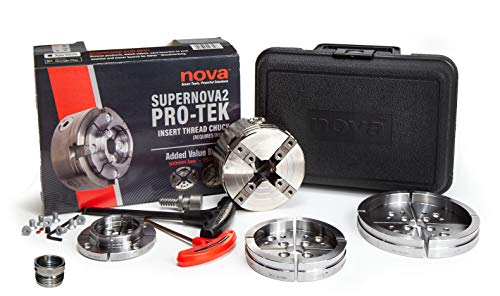
- Four-jaw scroll chucks: Replace screw chucks and faceplates for bowls and hollow forms. One set of jaws grips a tenon or expands into a recess, letting you remount pieces accurately.
- Faceplates and screw chucks: The low-cost way to mount blanks for rough shaping. Slower than a chuck but nearly universal.
- Live and drive centers: Fit the Morse taper in the headstock and tailstock for spindle work. A live center spins with the workpiece, reducing friction burn.
- Steady rests: Support long, thin spindles mid-turn to kill vibration. Essential for pool cues, baseball bats, and table legs.
- Duplicators: Copy an existing spindle via a tracing cutter—huge time savings for matching sets of chair legs.
- Grinding/sharpening jigs: Systems like the Oneway Wolverine keep gouge grinds consistent, which matters more than any chuck upgrade.
Matching Attachments to Your Lathe
The most common mistake in lathe accessories and attachments purchases is a thread or taper mismatch. Check these specs in your manual before ordering:
| Spec | Where It’s Used | Common Sizes |
|---|---|---|
| Spindle thread | Chucks, faceplates, screw chucks | 3/4″-16 (mini), 1″-8 (midi/most full-size), 1-1/4″-8 (large lathes) |
| Morse taper | Live centers, drive centers, drill chucks | MT1 (mini lathes), MT2 (most others), MT3 (industrial) |
| Swing over bed | Steady rests, duplicators, bed extensions | 8–10″ (mini), 12–16″ (midi), 16–24″+ (full-size) |
| Bed length | Duplicator rails, extension kits | 12–20″ (mini), 24–40″+ (full-size) |
Insert-type chucks solve the thread problem elegantly: brands like Nova and Record Power sell a single chuck body that accepts threaded inserts, so moving from a 3/4″-16 mini lathe to a 1″-8 machine later costs you only an inexpensive insert instead of a whole chuck.
Cost and Setup Demands Compared
Price is only half the story. Some attachments bolt on in a minute; others eat an evening of alignment work.
| Attachment | Relative Cost | Setup Time | Skill Needed to Use Well |
|---|---|---|---|
| Live center | Low | <5 min | Beginner |
| Faceplate set | Low | <5 min | Beginner |
| 4-jaw chuck + jaw set | Moderate | 15–30 min | Intermediate |
| Steady rest | Moderate | 30–60 min, alignment-critical | Intermediate |
| Sharpening jig system | Moderate | 1–2 hrs (bench grinder mount) | Intermediate |
| Spindle duplicator | High | 1–3 hrs, calibration needed | Intermediate–advanced |
| Bed extension | Moderate | 30–60 min | Beginner |
Which Upgrades First: A Decision Guide
| Your Situation | Buy First | Why |
|---|---|---|
| New turner, mini/midi lathe, tight budget | Live center + faceplate | Low total cost; the stock dead center is usually the first thing limiting you |
| Turning bowls on a 12″+ lathe | 4-jaw chuck with two jaw sets | Dovetail jaws grip recesses; a second set covers larger diameters without swapping jaws |
| Long spindles (legs, bats, cues) | Steady rest | Vibration past ~2.5–3× the diameter-to-length ratio is unfixable by technique alone |
| Making matched sets | Duplicator | Four identical legs by hand take hours; a duplicator cuts that to minutes each after the first template |
| Tools dull constantly / rough cuts | Sharpening jig, not a new tool | Consistent bevel angles improve surface finish more than any mounting upgrade |
Ownership Realities: What Wears and What Trips People Up
- Chuck jaws and inserts wear first. Soft jaws hold a grip for years; expect scroll mechanisms to collect shavings—blow them out after each session or the jaws stop closing evenly.
- Live center bearings are consumable. An inexpensive center that starts wobbling after a year of use is normal; replacing it beats running a vibrating tailstock.
- Steady rests need realignment if moved. The three wheels or blocks must sit at spindle center height; a rest that is 1/16″ off introduces chatter instead of removing it.
- Don’t skip the chuck’s safety step. Always spin the workpiece by hand after mounting and check jaw seating. Most chuck-related accidents trace to a partially seated tenon, not chuck failure.
- Duplicators need template discipline. Mount the pattern rigidly and take light passes—deep cuts deflect the stylus and copy the error into every piece.
As a rough cost-per-use check: a mid-priced chuck used twice a week for bowl turning costs very little per session over five years, while a pricey duplicator used only during one chair project may never pay for itself versus hand copying with calipers. Match the attachment to the work you actually repeat.
FAQ
Are wood lathe attachments interchangeable between brands?
Anything threading onto the spindle or fitting the Morse taper is brand-agnostic as long as the sizes match—a 1″-8 chuck fits any 1″-8 spindle. Bolt-on hardware like steady rests, duplicators, and bed extensions is usually model-specific.
Do I need a chuck if I’m only turning spindles?
No. A drive center and live center handle spindle work completely. Chucks earn their keep on bowls, platters, and hollow forms.
What’s the minimum useful set of lathe accessories and attachments to start?
A live center, one faceplate, and a sharpening jig cover most beginner turning at a fairly low total cost.
Related guides
More from Amazon
Programs that pair well with the guide above. Offers and eligibility are set by Amazon and may change.
A free business account with business pricing and bulk-buying tools for work, shop or home office.
Create a business accountFree shipping on eligible items, Prime Video and more. Eligible new members can start with a free trial.
Start a Prime free trialAudiobooks and podcasts to listen to on the go. Eligible new members can start with a free trial.
Try Audible freeAd-free music streaming. Eligible new subscribers can start with a free trial.
Try Music Unlimited freeAs an Amazon Associate we earn from qualifying purchases.
Write Your Review
No reviews yet. Be the first to share your experience!