What's inside
As an Amazon Associate I earn from qualifying purchases. This post may contain affiliate links at no extra cost to you.
PVA and polyurethane glue can both make strong wood joints, but they behave differently at the bench. PVA is usually the practical choice for clean, close-fitting indoor joints. Polyurethane glue is useful when a joint may see moisture or when small gaps are hard to avoid, but its foam is not a substitute for a tight fit. Choose based on the joint, exposure and working conditions—not on a general claim that one glue is stronger.
As an Amazon Associate we earn from qualifying purchases at no extra cost to you.



Our Top Picks
- Minwax Fast Drying Polyurethane Protective Wood FinishQuart4.1 x 4.1 x 5.1 inches1 PoundsCheck on Amazon
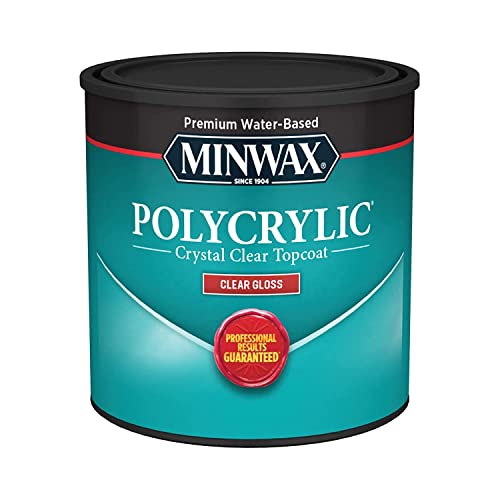
- Minwax 1/2 pt 25555 Clear Polycrylic Water-Based Protective8 fl oz2.9 x 2.9 x 3 inches0.65 poundsCheck on Amazon


Quick comparison
| Factor | PVA glue | Polyurethane glue |
|---|---|---|
| Best fit | Close-fitting interior wood joints | Moisture-exposed joints and some mixed-material bonds |
| Typical clamp time | Often about 30–60 minutes; check the label | Often about 1–2 hours; check the label |
| Full cure | Commonly around 24 hours | Commonly around 24 hours |
| Gap filling | Poor; needs good contact | Foams into gaps, but the foam is weak filler |
| Cleanup | Wet squeeze-out wipes with water | Cured glue is difficult to remove; wet cleanup needs care |
| Water resistance | Varies by formulation; some are rated for exterior use | Typically water-resistant, but not automatically suitable for every wet-use application |
What the glues do
PVA (polyvinyl acetate) is the familiar white or yellow woodworking glue. It dries as water leaves the adhesive, forming a bond between surfaces that fit closely. Many common formulations are inexpensive, easy to spread and simple to clean before they dry. Yellow carpenter’s glue is a convenient default for furniture, cabinets and shop projects used indoors.
Polyurethane glue reacts with moisture as it cures. It can bond wood and some other materials, and it generally handles water exposure better than basic interior PVA. It expands and foams while curing, which can make a joint look filled even when the mating surfaces do not touch well. That appearance is misleading: the foam itself is not a strong structural bridge. Aim for a close fit and use clamping pressure as directed.
Match the glue to exposure
For a bookcase, drawer, indoor frame or other dry-use project, ordinary PVA is usually sufficient and often the easier choice. It costs less, spreads readily and gives you time to position parts. If the joint is exposed to occasional dampness, look for a PVA formulation specifically rated for that level of exposure rather than assuming all yellow glue is waterproof.
For outdoor projects or parts that may get wet, compare the glue’s stated water-resistance rating with the job. Some PVA products are rated for exterior use; polyurethane is another option. Neither label makes a poorly designed joint weatherproof. End grain, standing water, failed finishes and movement in the wood can still cause trouble. For a boat, food-contact use or continuous immersion, follow the product maker’s specific guidance instead of relying on a broad “water resistant” claim.
Fit and gap filling
Wood glue performs best when the faces meet evenly. If you can see a gap wider than a hairline, dry-fit the parts and correct the cut, add a fitted strip, or redesign the joint. A polyurethane bead may puff out of a gap, but cured foam is no replacement for wood-to-wood contact. PVA also does not work well as a gap filler; a thick layer can leave a weak, brittle-looking joint.
Check the joint before opening the bottle. A dry assembly should close with firm hand pressure and sit square without forcing the parts. If it needs clamps to pull a large gap shut, fix the fit first. Clamps hold a joint in position; excessive pressure can squeeze out too much PVA or bow thin stock.
Clamping and cleanup
Follow the label for open time, clamp time and cure time: temperature, humidity and the specific formula change them. As a planning baseline, many PVA glues need roughly 30–60 minutes in clamps and about 24 hours before heavy loading. Polyurethane often needs around 1–2 hours clamped, with a similar full-cure wait. Do not treat those figures as guarantees, especially in a cold shop or on large assemblies.
With PVA, wipe fresh squeeze-out with a damp cloth, but avoid flooding the joint. On stain-grade work, dried glue can block stain and show up as pale patches. You can let a small bead gel, then pare or scrape it away, taking care not to smear it across the grain. With polyurethane, wear gloves and protect nearby surfaces; squeeze-out can foam beyond the joint and cured residue is stubborn. Scrape it after curing, without gouging the wood.
Choosing and buying
Buy the smallest practical container for occasional work, and keep the cap clean and tightly closed. Old or contaminated glue can thicken, separate or stop performing reliably. For routine indoor joinery, a general-purpose PVA woodworking glue is a sensible starting point. If the work will see rain or frequent dampness, compare the stated ratings on exterior-rated wood glues rather than choosing by color or price alone.
Choose polyurethane wood glue when its moisture resistance or material compatibility solves a real problem. It is less forgiving to handle, can stain skin and may foam out of the joint. For a dry indoor glue-up with well-fitted parts, those drawbacks usually bring no benefit.
Common failures to avoid
A joint that opens after assembly may have had poor contact, too little clamping, oily or dusty surfaces, or glue that skinned over before the parts were joined. Sand or plane mating faces clean, remove dust, and assemble within the stated open time. Dense or resinous woods may need extra care; make a test joint if the species is unfamiliar.
Do not assume more glue means more strength. Spread a continuous, even film on the surfaces specified by the maker, bring the parts together, and clamp them without crushing the stock. For most ordinary indoor woodworking, PVA is the cheaper, cleaner choice. Pay extra for polyurethane only when the exposure or bonding requirements justify it.
0 Comments