What's inside
As an Amazon Associate I earn from qualifying purchases. This post may contain affiliate links at no extra cost to you.
Our Top Picks
 Minwax Fast Drying Polyurethane Protective Wood FinishQuart4.1 x 4.1 x 5.1 inches1.9 poundsCheck on Amazon
 Minwax Fast Drying Polyurethane Spray11.5 Ounce (Pack of 1)2.7 x 2.7 x 8.15 inches0.9 poundsCheck on Amazon


Best Finish for Protecting a Wood Bathroom Vanity
For most wood bathroom vanities, the best all-around finish is a high-quality water-based polyurethane, preferably a product labeled for floors, cabinets, or heavy interior use. It creates a clear, hard film, resists soap and toothpaste, and does not add much color to the wood. A satin sheen is usually the practical choice: it hides fingerprints and small scratches better than gloss while remaining easy to wipe clean.
Finish selection matters, but construction and preparation matter just as much. A vanity can fail because water reaches an unsealed end grain, a sink cutout, a joint, or the underside of the countertop. No coating makes a poorly sealed vanity waterproof indefinitely.
As an Amazon Associate we earn from qualifying purchases at no extra cost to you.


Finish options compared
| Finish | Best use | Advantages | Drawbacks |
|---|---|---|---|
| Water-based polyurethane | Most finished wood vanities | Clear, low odor, fast drying, good water and chemical resistance | Can look cold on dark woods; requires careful application |
| Oil-based polyurethane | Warm-toned traditional designs | Durable, forgiving, adds amber color | Strong odor, slow drying, yellows over time |
| Water-based spar urethane | Vanities exposed to frequent splashing | More flexible than standard polyurethane; good moisture resistance | Usually softer and more expensive; not automatically better for every vanity |
| Hardwax oil | Low-sheen natural-looking surfaces | Easy spot repairs and pleasant appearance | Less resistant to standing water and harsh cleaners than a film finish |
| Lacquer | Experienced sprayers and controlled shops | Fast, smooth, professional appearance | More vulnerable to moisture and solvents; poor choice for most DIY bathroom work |
Why water-based polyurethane is usually best
A bathroom vanity needs a finish that tolerates repeated wetting, wiping, and contact with household cleaners. Water-based polyurethane handles those conditions well while preserving the color of maple, oak, ash, birch, and other light woods. It also dries quickly enough that you can apply several coats in a day.
Look for a product described as water-based polyurethane or water-based floor and cabinet finish, rather than a very inexpensive general-purpose “clear coat.” A water-based polyurethane cabinet finish in satin or semi-gloss is a sensible purchase for most projects.
Apply at least three thin coats to a vanity, and four coats to a countertop or sink surround. Lightly sand between coats with 320-grit paper after the previous coat has dried. Do not sand the final coat unless you need to remove a defect. Thin coats level better and cure harder than one thick coat, which can remain soft underneath and develop runs or cloudy spots.
Water-based finishes can raise the grain, especially on oak and other porous woods. Before the final sanding, dampen the bare wood lightly with clean water, let it dry, and sand the raised fibers with 180- or 220-grit paper. This prevents the first finish coat from producing a rough surface.
When oil-based polyurethane makes sense
Oil-based polyurethane is still a good choice when you want walnut, cherry, oak, or pine to gain a warm amber tone. It forms a durable film and is generally forgiving during application. The trade-off is time: typical recoat windows are around 8 to 24 hours, depending on temperature, humidity, and the product. Plan on several days before installing the hardware and using the vanity normally.
Oil poly also has stronger fumes and can make light wood look noticeably yellow. Ventilation is essential, and oily rags must be laid flat outdoors to dry or stored in a listed oily-waste container because they can spontaneously combust. Use oil-based polyurethane satin finish when its color and slower schedule are acceptable—not because it is automatically more waterproof.
Is spar urethane better for a bathroom?
Marine-style spar urethane is formulated to remain more flexible as wood expands and contracts. That can help on exterior doors and heavily exposed surfaces, but a bathroom vanity does not necessarily need the extra flexibility. Some spar products are softer, amber-colored, and less resistant to abrasion than a good cabinet or floor polyurethane.
Choose a water-based spar urethane for a vanity top located directly under a frequently used sink, especially if the countertop is solid wood and may see splashes. Otherwise, standard water-based polyurethane is usually easier to live with. Regardless of the product, seal the bottom edges, faucet holes, drain opening, and sink cutout with the same finish.
Surface preparation and application
Start with clean, dry wood. Sand through 120, 150, and 180 grit; stop at 180 or 220 grit unless the finish manufacturer specifies otherwise. Sanding much finer can reduce adhesion, while sanding too coarsely leaves scratches that become obvious under satin or gloss finish.
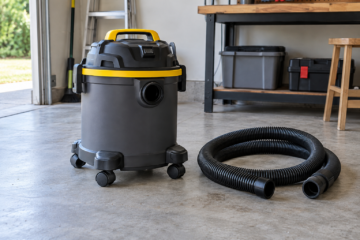
Remove dust with a vacuum and a clean, lint-free cloth. Avoid soaking the wood with household cleaner or leaving silicone contamination on the surface. If the vanity is stained, let the stain dry completely. Oil stain may need 48 hours or more before a water-based topcoat, particularly in a cool or humid bathroom.
Brush or wipe the finish in manageable sections, keeping a wet edge. A quality synthetic brush works well for water-based products. Do not shake the can, which introduces bubbles; stir slowly instead. Apply finish to every face, including the back, underside, drawer sides, and inside corners. End grain absorbs water readily, so give it an extra coat.
Allow the finish to cure based on the label, not just the dry-to-touch time. A coating may feel dry in two hours but remain vulnerable to water and cleaners for several days. Avoid standing water for at least 3 to 7 days, and treat a new countertop gently for the full curing period listed by the manufacturer.
Wood choice and common failures
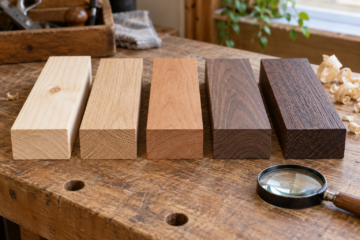
Stable woods such as maple, white oak, and walnut make dependable vanity surfaces when properly sealed. Pine and other softwoods can work, but they dent more easily and often show uneven stain absorption. Solid-wood panels also move across their width with seasonal humidity changes, so do not glue them rigidly into a cabinet frame or trap them between fixed parts.
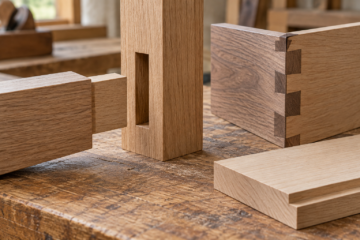
The most common failures are water darkening around the faucet, peeling finish at a sink cutout, white rings from standing water, and cracked joints where end grain was left bare. These failures are usually prevented by sealing all surfaces, rounding sharp edges slightly, applying enough coats, and wiping spills promptly. If the cheaper option is a small vanity with a protected engineered-wood cabinet, a standard water-based polyurethane is sufficient; spend more on preparation and coverage before upgrading to an exotic finish.
0 Comments