What's inside
As an Amazon Associate I earn from qualifying purchases. This post may contain affiliate links at no extra cost to you.
Paint hides grain, not poor construction. For interior shutters, the best wood is stable, straight, easy to machine, and smooth enough to take an even finish. Poplar is a strong all-around choice for most painted shutters; basswood is lighter and easy to work; pine can save money but needs more care. The right pick depends on shutter size, humidity, budget, and whether you are building from scratch or buying unfinished panels.
As an Amazon Associate we earn from qualifying purchases at no extra cost to you.


Our Top Picks
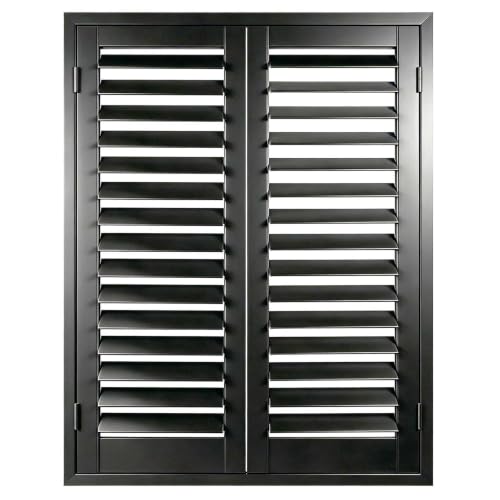 KIFFUN Wood Plantation Shutters for Interior Windows Hiden10 x 10 x 12 inches7 poundsCheck on Amazon

What matters under paint
Shutter stiles and rails need to stay straight so louvers move freely and panel gaps remain even. A small amount of seasonal movement is normal, but twisting or cupping can bind the mechanism or open joints. Look for kiln-dried stock with a moisture content around 6–8% for a typical heated home. Let the wood acclimate in the room for several days before cutting or painting.
Paint-grade wood does not need attractive grain, but it should be free of loose knots, checks, and deep dents. Knots can bleed resin or move as the wood dries, leaving discoloration or cracks in the paint. A smooth surface matters, too: paint will show scratches, glue residue, and uneven filler, especially on broad, flat shutter frames.
Best wood options compared
| Wood | Best use | Advantages | Trade-offs |
|---|---|---|---|
| Poplar | Most custom painted shutters | Stable, widely available, machines cleanly, usually takes paint well | Can have green or gray streaks; dents more easily than hardwoods such as maple |
| Basswood | Lightweight shutters and louvers | Light, fine-textured, easy to cut and sand | Soft and easy to dent; long, clear stock can cost more or be harder to find |
| Clear pine | Budget projects and smaller shutters | Often inexpensive and easy to source | Knots and resin can cause paint trouble; soft earlywood dents and sands unevenly |
| Maple | Durable shutters that see frequent handling | Hard, smooth, and resistant to dents | More expensive and less forgiving to machine; extra hardness may be unnecessary for interior use |
| MDF | Flat, dry interior components | Very smooth and uniform; no grain to telegraph through paint | Heavy, vulnerable to swelling if edges get wet, and unsuitable for thin moving louvers |
For most DIY builds, choose clear poplar for frames and louvers if you can get straight pieces without defects. Basswood is a sensible alternative where low weight and easy shaping matter more than dent resistance. If the shutters are decorative and rarely touched, clear pine can be a good bargain. Do not choose knotty, construction-grade pine just because it is cheap: filling and sealing knots can erase the savings.
Choosing stock and parts
Inspect boards along their length rather than judging only the ends. Reject pieces with a visible bow, twist, splits, or knots near joints and louver pivots. For a shutter frame, straight 1-by stock is usually more useful than a wide board that must be ripped into narrow parts; ripping can release internal stress and leave the strips bowed.
If you are buying unfinished shutters, ask what species the frame and louvers are made from, whether the joints are glued, and whether the parts have been sealed on all sides. A shutter made from mixed species is not automatically a problem, but different woods can move or take paint differently. Check that louvers swing freely before finishing; paint buildup at pivots can make them stick.
Prepare the wood before painting
Sand bare wood with 120- or 150-grit paper to remove machining marks, then finish with 180 grit. Going much finer can burnish some surfaces and reduce primer grip. Sand with the grain on visible parts. Vacuum dust and wipe with a clean, lint-free cloth; oily tack cloth residue can interfere with adhesion.
Fill small nail holes and shallow defects with a paintable wood filler. Let it dry fully, then sand it flush. On poplar, check for colored streaks that may show through a light topcoat. Use a stain-blocking primer where discoloration, knots, or resin are present. On pine knots, shellac-based primer is a reliable barrier; ordinary primer may not stop resin from bleeding through later.
Prime all faces and edges, including the back and louver ends. Sealing only the front leaves the wood more exposed to uneven moisture changes. Use thin coats rather than flooding joints or pivot points. After primer dries, lightly sand raised grain with 220 grit, remove the dust, and apply two thin coats of durable trim or cabinet paint. Follow the label’s recoat times; paint that feels dry may still be soft enough to mark during assembly.
For the finish, compare waterborne cabinet paint with standard interior trim paint. A harder cabinet coating can resist fingerprints and cleaning, but it may cost more and require careful application. A good trim enamel is usually adequate for shutters in a bedroom or living room.
Avoid common failures
Paint can glue louvers to their frames if it pools in moving joints. Keep coats light around pivots, and move adjustable louvers through their full range after each coat has dried enough to handle. If the parts bind, do not force them; scrape or sand the contact point before adding another coat.
Fuzzy edges usually mean the wood was sanded too coarsely, cut with a dull blade, or exposed to a water-based coating that raised the grain. Sand the fibers lightly after the first coat rather than adding more paint to hide them. Dents in basswood and pine are another common problem: handle parts carefully, because a scratch that seems minor on bare wood may show clearly under a satin finish.
A practical buying choice
Choose poplar for a balanced combination of stability, availability, and paintability. Pick basswood when low weight and easy working are priorities, and clear pine when price matters and the shutters are not heavily handled. Maple is worth considering for a high-use installation, but it is rarely necessary for ordinary interior shutters. For finishing supplies, a shellac-based stain-blocking primer is useful for knots and stubborn discoloration; on clean poplar, a suitable general-purpose primer may be enough.
0 Comments