What's inside
As an Amazon Associate I earn from qualifying purchases. This post may contain affiliate links at no extra cost to you.
For painted bathroom wainscoting, the best choice is usually moisture-resistant MDF for a dry powder room or a bathroom with reliable ventilation, and solid wood or exterior-grade plywood where splashes and humidity are harder to control. The paint job and edge sealing matter as much as the panel itself: water that gets behind a board or into an unsealed cut can cause swelling, peeling, or rot.
As an Amazon Associate we earn from qualifying purchases at no extra cost to you.
Our Top Picks
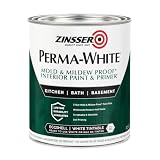
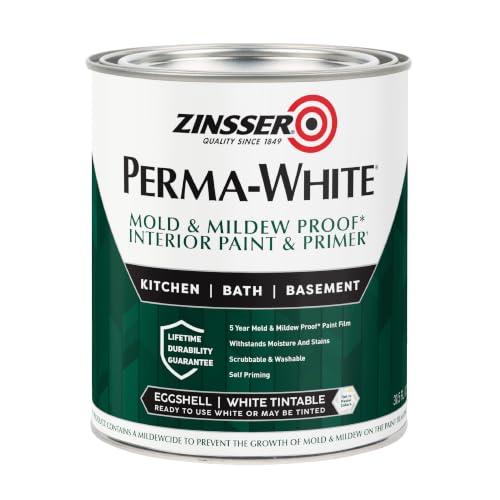 Zinsser 02774 PERMA-WHITE Mold & Mildew Proof Interior31.5 Fl Oz (Pack of 1)4.25 x 4.25 x 4.85 Inches1 poundsCheck on Amazon
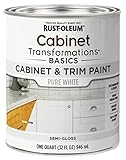
 Rust-Oleum Cabinet Transformations & Trim Paint32 Fl Oz (Pack of 1)4.25 x 4.25 x 4.9 InchesCheck on Amazon
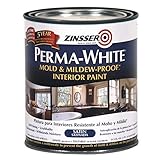
 Zinsser 02704 Quart Satin Gloss Perma-White Mildew-Proof Bathroom31.5 Fl Oz (Pack of 1)1 PoundsCheck on Amazon
 Quart Kilz Original Interior Oil Based Sealer-Primer-Stainblocker1 Fl Oz (Pack of 1)11 x 9 x 8 inches2.95 poundsCheck on Amazon

Choose the material for the bathroom’s moisture level
Wainscoting is not waterproof. Keep it out of direct shower spray, leave clearance above floors that get wet, and fix leaks before installing it. In a half-bath with no shower, standard paint-grade MDF can be a smooth, economical choice. In a full bath, use moisture-resistant MDF, quality plywood, or stable solid wood, and make sure the room has a working exhaust fan.
Moisture-resistant MDF is formulated to resist humidity better than standard MDF, but it is not meant to stay wet. It can still swell if water sits on an exposed edge or enters through a failed paint film. Plywood handles occasional dampness better when its edges are sealed, though its face may need more filling and sanding to look smooth under paint.
Compare common wainscoting materials
| Material | Best fit | Advantages | Watch-outs |
|---|---|---|---|
| Standard MDF | Powder rooms and dry areas | Low cost, flat face, easy to machine | Swells readily at wet edges; avoid where splashes are common |
| Moisture-resistant MDF | Well-ventilated full baths outside splash zones | Smooth paint surface; more humidity-tolerant than standard MDF | Still vulnerable to standing water and unsealed cuts |
| Paint-grade poplar | Trim, rails, stiles, and small panels | Machines cleanly and takes paint well | Costs more than MDF; wood movement and joints still need planning |
| Paint-grade plywood | Full baths or larger flat panels | More tolerant of occasional moisture than MDF; relatively stable | Edges and veneer defects need filling; face quality varies |
| Pine | Budget solid-wood projects | Widely available and easy to work | Knots can bleed through paint; boards may cup or move |
For many projects, the practical combination is moisture-resistant MDF panels with solid poplar rails and stiles. The MDF gives a uniform painted field; the wood trim holds fasteners well and is easier to repair at corners. Check the panel product’s instructions and local availability before buying—“moisture resistant” is not the same as waterproof.
What to buy
Look for flat, undamaged panels and straight trim. For MDF in a full bath, choose a moisture-resistant grade intended for interior use, not ordinary MDF simply because it will be painted. A moisture-resistant MDF panel can suit a bathroom outside direct wet areas, provided all cuts and faces are sealed.
For plywood, buy a paint-grade panel with a smooth face and sound veneers. Avoid sheets with bubbling veneer, delamination, or voids near the edges. If using solid wood for rails and stiles, poplar is a dependable paint-grade option; choose boards that are dry and straight rather than relying on paint to hide twist or cupping.
Prepare and install for a durable finish
Let wood products acclimate in the room for about 48 hours, following the manufacturer’s guidance. Before installation, check the wall for leaks, soft drywall, or signs of past water damage. Keep the bottom edge roughly 1/4 inch above the finished floor, then cover the gap with baseboard or shoe molding. This reduces the chance that routine mopping will soak the panel edge.
Seal every cut edge on MDF and plywood, including the bottom and the backs of pieces near plumbing or exterior walls. Use a compatible primer; for thirsty MDF edges, apply two coats if the first disappears into the fibers. A wood primer for interior trim can help seal difficult surfaces, but verify it is suitable for the panel and topcoat. Follow its label for drying time and recoating.
Fasten panels into studs where possible, and use adhesive only as a supplement, not a substitute for appropriate mechanical fastening. Leave the expansion gaps specified by the panel maker. Caulk small joints with paintable, flexible caulk; do not fill movement joints with rigid filler. If the wainscoting is installed over a vulnerable wall, avoid trapping an active leak behind it.
Sand, prime, and paint
Sand solid wood and plywood lightly with 120- to 150-grit paper, then remove dust. MDF faces are already smooth; avoid aggressive sanding, which can cut through the dense surface and expose fuzzy fibers. For a rough MDF edge, sand gently at 180 grit after sealing rather than trying to flatten it in one pass.
Prime before caulking where the primer maker recommends it, then caulk gaps and spot-prime repairs. Apply two thin coats of quality trim enamel rather than one heavy coat. Satin or semi-gloss is easier to wipe than flat paint, though sheen will not protect a failed joint or an unsealed edge. Let each coat dry fully; rushing the next coat can leave soft paint that dents or peels.
Use bathroom-rated paint where available and keep the exhaust fan running during and after painting. A waterborne alkyd trim paint is one option for a harder, smooth finish, while a quality acrylic trim enamel is easier to clean up and often dries faster. Check the label for primer compatibility and cure time before washing the surface.
Common failures to prevent
The usual failure is not paint peeling from the middle of a panel; it is swelling at an exposed edge, a caulked seam that opens, or water entering behind the wainscoting. Don’t use standard MDF beside a frequently splashed sink or near a tub without strong protection. Don’t paint over damp material, and don’t assume extra coats can make an unsuitable panel waterproof.
If the room gets heavy condensation, improve ventilation before choosing materials. In a persistently damp bathroom, use a more moisture-tolerant substrate and keep the assembly accessible enough to inspect. For a dry powder room, standard MDF can be the sensible budget choice; for a full bath, spend more on moisture-resistant panels or plywood, then put the effort into sealed edges, sound joints, and careful paint preparation.
0 Comments