What's inside
As an Amazon Associate I earn from qualifying purchases. This post may contain affiliate links at no extra cost to you.
Fine molding, routed edges and small corner details are easier to paint when the wood cuts cleanly and holds its shape. For most painted window boxes, cedar is the best balance of workability and weather resistance. For especially crisp detail, stable kiln-dried pine can be easier to machine, but it needs better protection from moisture. Whichever species you choose, construction and paint preparation matter as much as the wood: standing water and unsealed end grain can ruin a box made from otherwise sound boards.
As an Amazon Associate we earn from qualifying purchases at no extra cost to you.


Our Top Picks
 10pcs Rectangle Wood Boards Natural Pine Wood Rectangle15X4cm5.9 x 1.57 x 0.23 inches0.32 poundsCheck on Amazon
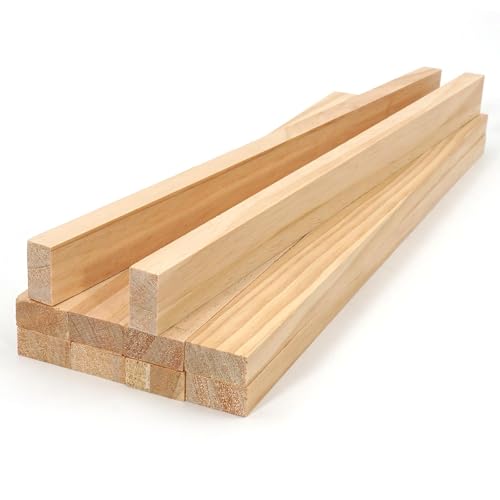
 BENECREAT 10pcs Unfinished Wood Blocks251x39.5x5.5mm9.84 x 2.36 x 1.61 inches0.6 PoundsCheck on Amazon

Best all-around choice: cedar
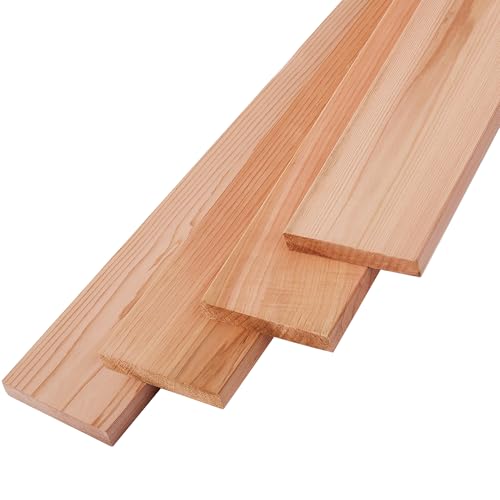
Use clear, kiln-dried western red cedar if the budget allows. It is light, easy to rout and sand, and naturally more resistant to decay than ordinary pine. Its low density makes detailed profiles less prone to burning during routing, though sharp cutters still matter. Cedar is softer than many hardwoods, so narrow projections and delicate molding can dent or break if handled roughly.
For fine details, choose boards with straight grain and few knots. Knots can loosen, bleed through paint or interrupt a routed edge. “Clear” grades cost more, but you can often save by buying wider boards and cutting around defects. If the box will sit under an eave and you’re willing to keep up with paint, a good piece of pine is a reasonable cheaper choice.
Check that stock is dry before machining. A moisture content around 8–12% is a useful target for exterior joinery; wetter boards can shrink after assembly, opening joints or cracking paint. Let newly purchased lumber acclimate under cover, stickered so air can circulate, and use a moisture meter if the boards feel damp or their storage history is uncertain.
Compare common choices
| Wood | Detail and paint performance | Best use | Main drawback |
|---|---|---|---|
| Clear western red cedar | Routes easily; naturally decay-resistant; soft edges can dent | Best general-purpose painted box | Higher cost; knots and grain variation in lower grades |
| Clear pine | Machines cleanly when straight-grained; paints well with primer | Budget box in a sheltered spot | Less decay-resistant; resinous knots can stain paint |
| Douglas fir | Strong and widely available; can splinter at small profiles | Structural parts with simple trim | Coarse grain may show through paint |
| Exterior-grade plywood | Stable panels, but edges need sealing; not suited to tiny molded details | Box sides paired with solid-wood trim | Visible plies at edges and quality varies |
When pine is the better buy
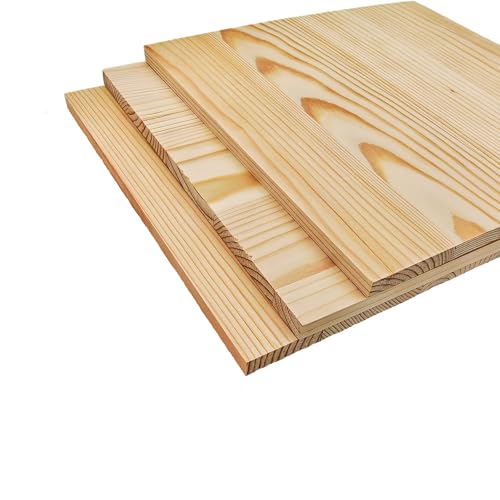
Clear, kiln-dried pine is often the practical choice for a decorative box that stays beneath a roof overhang and can be repainted when needed. It is usually cheaper than clear cedar and takes paint well. Avoid construction lumber with large knots, wet patches or twisted grain; those flaws can telegraph through a painted surface or distort small details.
Seal knots with a stain-blocking primer before applying a full coat of exterior primer. For a detailed piece, test the primer on an offcut first: thick coatings can soften shallow grooves and round over crisp corners. If the box will be exposed to frequent rain, choose cedar or another suitable decay-resistant material instead of expecting paint alone to make ordinary pine rot-proof.
Build details that prevent failure
Window boxes hold wet soil, so design for drainage rather than treating them like ordinary trim. Drill several 3/8-inch drainage holes through the bottom, spaced roughly 6–8 inches apart, and raise the inner floor slightly if water tends to pool. Line the planting area with a breathable landscape liner, not an impermeable sheet that traps water against the wood. Leave a gap between the box and the building so moisture can escape.
Use corrosion-resistant fasteners, such as stainless steel or hot-dip galvanized screws. Predrill near board ends to reduce splitting, especially in cedar, and keep screws back from narrow routed edges. For a waterproof exterior joint, pair a suitable exterior adhesive with mechanical fasteners; glue is not a substitute for screws. A water-resistant exterior wood glue is useful for tight mating surfaces, but do not rely on it to bridge gaps or hold a box under load by itself.
Prepare fine details for paint
Sand flat faces progressively through 120 and 150 grit, then use 180 grit for a smooth painted finish. Going much finer can reduce primer adhesion, while skipping grits leaves scratches that show under a solid color. Sand routed profiles by hand with folded paper or a shaped sanding block; powered sanding can flatten the edges you worked to create. Ease sharp exterior corners only slightly—about 1/32 to 1/16 inch—so paint can cover them without erasing the profile.
Remove dust with a vacuum and a clean, lint-free cloth. Prime all faces, including the underside, drainage-hole edges and end grain, before assembly where access will be difficult. End grain absorbs much more coating than a board face, so give it an extra primer coat if it still looks dry or patchy. Use a stain-blocking exterior wood primer on pine knots and any resinous areas.
After the primer dries according to its label, lightly sand raised grain with 220 grit and remove the dust. Apply two thin coats of quality exterior paint rather than one heavy coat. Brush paint into corners and grooves, then inspect for drips before they set; pooled paint can hide the crisp detail you want to preserve. Follow the coating manufacturer’s temperature and recoat instructions. Painting in direct hot sun or over damp wood can cause poor adhesion, blistering or early peeling.
What to buy
For a box with elaborate routed trim or small applied details, buy clear cedar for the visible parts and keep the profiles modest enough to survive outdoor handling. If cost is the priority and the box is sheltered, select straight-grained clear pine, seal knots carefully and plan on periodic repainting. A clear western red cedar board is the safer all-around starting point; for simple, protected boxes, clear kiln-dried pine boards can do the job for less. In either case, reject warped stock and spend time sealing end grain and joints—the places where paint systems most often fail first.
0 Comments