What's inside
As an Amazon Associate I earn from qualifying purchases. This post may contain affiliate links at no extra cost to you.
Our Top Picks
 Rust-Oleum 369384 Advanced Dry Door & Trim Paint32 Fl Oz (Pack of 1)4.25 x 4.25 x 4.9 Inches2.9 poundsCheck on Amazon
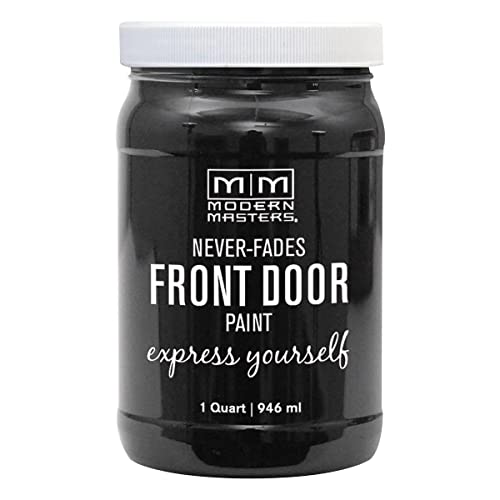 Modern Masters Elegant Front Door Paint32 Fl Oz (Pack of 1)3.5 x 3.5 x 6 inches2.34 poundsCheck on Amazon
 Modern Masters Satin Sophisticated Front Door Paint31.98 Fl Oz (Pack of 1)3.5 x 3.5 x 6 inches2.35 PoundsCheck on Amazon

What matters in a sun-exposed door
A painted exterior door in direct sun faces two related problems: heat and water. Dark paint can make the door surface much hotter than the surrounding air, while daily heating and cooling make wood move. Rain and humidity add swelling; dry spells pull moisture back out. The result can be cracked paint, open joints, a warped slab or rot at the bottom edge.
Wood choice helps, but it cannot make up for poor construction or a weak finish. For a solid-wood door exposed to strong sun, look for stable, straight-grained stock with sound joinery. A well-made engineered-wood or stave-core door can be more stable than a slab assembled from wide boards. Confirm that the door is rated for exterior use, and follow its manufacturer’s painting instructions; some doors require specific finishes or sealing of cut edges.
As an Amazon Associate we earn from qualifying purchases at no extra cost to you.



Best wood choices
Sapele is a strong all-around choice when you want a solid wood door. It is durable, commonly used for exterior joinery and generally more stable than many domestic woods. Its grain and color vary, so use a compatible primer and test the complete paint system on a sample. Sapele usually costs more than pine or fir.
Accoya is acetylated wood, not a separate tree species. The treatment reduces moisture movement and improves durability, making it a good option where a door gets severe weather or repeated wetting as well as sun. It is expensive, and its paint performance still depends on proper preparation, compatible coatings and sealed end grain.
Douglas fir is a practical, often less expensive option. It is strong and widely available, but its movement, knots and resin pockets can complicate a painted finish. Choose clear, kiln-dried stock or a well-built exterior door with stable construction. Seal knots with a suitable knot sealer if the paint system calls for it.
Mahogany can also work well, though the name covers several species with different properties. Buy from a supplier who identifies the wood and confirms exterior-door suitability. Avoid choosing by appearance alone: a stable, well-made door matters more than a familiar species name.
Wood options compared
| Material | Stability in sun | Relative cost | Best fit | Watch for |
|---|---|---|---|---|
| Sapele | Good | High | Solid wood door with durable construction | Color and grain variation; verify paint-system compatibility |
| Accoya | Very good | Very high | Severe exposure or a long service-life priority | Higher purchase price; finish and detailing still matter |
| Douglas fir | Fair to good | Low to medium | Budget-conscious door with good construction | Knots, resin and movement can show through paint |
| Exterior engineered or stave-core door | Often very good | Medium to high | Reducing seasonal warp and panel movement | Check exterior rating, veneer limits and edge-sealing directions |
For many homes, an exterior-rated engineered or stave-core door is the sensible buy. Its core is designed to limit movement, and its face can take paint without exposing wide solid boards that move independently. It is not automatically better: a damaged veneer, unsealed edge or indoor-rated core can fail quickly outdoors.
What to check before buying
Ask whether the door is intended for exterior use, what its core is made of, and whether it has a warranty for direct weather exposure. Check that the rails, stiles and panels are joined for outdoor service. Inspect the top and bottom edges, where water can enter, and avoid doors with loose joints, deep checks or poorly bonded veneer.
Door thickness alone does not guarantee stability. A correctly built 1-3/4-inch door is common, but construction, moisture content and installation matter more. The slab should be acclimated according to the maker’s instructions before fitting. If you are replacing only the slab, confirm its dimensions, hinge locations, swing and required clearance rather than assuming the old frame is square.
Do not assume a heavy hardwood slab is the best choice. It may be durable, but extra weight puts more load on hinges and can make installation harder. A properly rated, lighter engineered door may be a better fit for an existing frame.
Prepare and paint for sun
Start with dry, clean wood. Sand sound bare wood with 120- to 150-grit paper, then remove dust. Do not polish the surface with very fine paper before priming; a little tooth helps adhesion. Repair small defects with an exterior-rated filler, but do not use filler to bridge moving joints. Prime all faces and edges, including the top and bottom, before installation if practical. Pay particular attention to hinge mortises and lock cutouts.
Use an exterior bonding primer that is approved for the door’s wood and topcoat. On bare wood, a stain-blocking primer can help prevent tannin or resin discoloration; follow its label for drying time and sanding. Apply two thin, even topcoats rather than one heavy coat. A quality exterior wood primer and door-paint system is more important than a specialty “sunproof” claim. Keep paint out of hinges and hardware openings, and respect the manufacturer’s temperature and recoat limits.
Dark colors absorb more solar energy and can make a door significantly hotter, increasing movement and stressing paint and joints. If the door gets several hours of unshaded afternoon sun, a lighter color is the lower-risk choice. If you want a dark finish, ask the door maker and paint manufacturer whether the slab and coating are approved for it; some doors have color restrictions.
Use a compatible exterior paint rather than a clear coat over paint. For bare or previously coated wood, choose a 100% acrylic exterior topcoat if its label approves it for doors and the selected primer. “Exterior” alone does not guarantee suitability for a high-touch door or for every primer.
Common failures and upkeep
Peeling often starts where water gets behind paint: the bottom edge, an unsealed cutout, a cracked panel joint or a failed bead of glazing compound. Blisters can signal trapped moisture or painting in excessive heat. Hairline cracks at panel joints may reflect normal movement; do not fill a working joint rigidly unless the door maker specifies a flexible sealant.
Inspect the door each spring and fall, especially the lower edge and sun-facing side. Repair small paint breaks before water reaches the wood. If the slab repeatedly warps, the problem may be an exposed or poorly drained entry, an incorrect installation, or a door not rated for the exposure—not simply the species. In that case, replacing it with a stable exterior-rated core and improving the overhang or weather sealing may be more effective than repainting again.
0 Comments