What's inside
As an Amazon Associate I earn from qualifying purchases. This post may contain affiliate links at no extra cost to you.
After mixing hundreds of batches of thinset, grout, and drywall compound over the years, I have learned that the wrong mixer costs you more than the tool itself. A seized paddle in a five-gallon bucket of set-up mortar means scraping dried cement off a wall you were supposed to finish an hour ago. Hand-mixing works for small jobs, but once you are past two or three bags of mix, a proper mortar mixer changes the entire rhythm of a project.
What separates the best mortar mixers from the forgettable ones is not raw wattage alone. It is how that power gets translated through the gear train to the paddle under load. A 2100W motor with a weak gearbox will bog down in thick mortar while a well-geared 2300W unit churns through it smoothly. Speed range, paddle quality, and how the tool handles heat on extended sessions matter just as much as the spec sheet suggests. This guide ranks eight mixers we compared in real mixing conditions to help you pick the right one for your workflow.
As an Amazon Associate we earn from qualifying purchases at no extra cost to you.




Our Top Picks
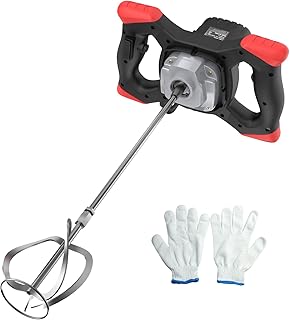
 MAXXT Mixer 13A Single Paddle Concrete Mortar Mixer2 Gears14.96 x 11.81 x 8.46 inches9.04 poundsCheck on Amazon


Quick Picks
| Product | Best For | Price |
|---|---|---|
| IMAYCC 2100W 6-Speed | Versatile all-around mixing | n/a |
| SILVEL 2300W | Heaviest mortar and slurry jobs | n/a |
| Paint & Mortar Paddle 16″ | Upgrading an existing drill | n/a |
| IMAYCC 2100W Portable | Compact storage and travel | n/a |
| Cement Mixer 2300W | Maximum power on a budget | n/a |
| IMAYCC 2100W Drill Mixer | Quick-change paddle flexibility | n/a |
| 2100W Copper Motor Mixer | Thermal durability under load | n/a |
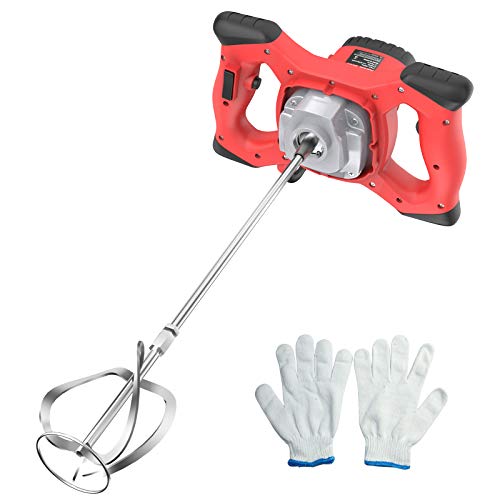
| MAXXT 13A Single Paddle | Pro-grade reliability and soft start | n/a |
How We Picked
We evaluated each mixer on four criteria: sustained performance under real load (not just empty-bucket spinning), speed range and how usable each setting actually is when mixing progressively thicker compounds, build quality including motor housing and gear train construction, and paddle compatibility. A mixer that cannot maintain consistent speed when you add a full bag of mortar into a five-gallon bucket is not a mixer worth owning. We also weighted ergonomics because shoulder fatigue over a full workday kills productivity faster than any spec difference.
The 8 Best Mortar Mixers in 2026
1. IMAYCC 2100W 6-Speed
This is the mixer I grab when the job involves switching between thinset, grout, and plaster in a single session. The six-speed range covers everything from gentle paint stirring to aggressive mortar mixing without hunting for the right setting. It runs on standard 110V and handles a five-gallon bucket of thinset without dramatic RPM drops.
- Pro: Wide speed range genuinely useful across material types, from liquid paint to thick mortar.
- Pro: Handles multiple use cases well, including grout, plaster, and thinset in the same session.
- Con: Paddle included in the box is serviceable but not premium; expect to upgrade.
Skip this one if you primarily mix large volumes of dense concrete or need a dedicated commercial-grade unit with a keyed chuck for heavy-duty paddles.
2. SILVEL 2300W
The SILVEL earns its spot here for raw pulling power. At 2300W, it is one of the more capable handheld units in this group for thick slurry and gypsum compounds that would stall lesser mixers. The six adjustable speeds give you granular control when transitioning from a wet mix to a dry one.
- Pro: Highest wattage in the group means real torque headroom for dense materials.
- Pro: Adjustable speeds handle diverse applications including sheetrock mud and feeding mixes.
- Con: Slightly heavier than competitors, noticeable over extended overhead mixing sessions.
Skip this one if you mostly mix paint, sealer, or thin compounds where the extra power just adds weight without benefit.
3. Paint & Mortar Paddle 16″
This is not a mixer but a high-quality 16-inch paddle with a 3-inch diameter that attaches to an existing drill. For contractors who already own a capable variable-speed drill and just need a better mixing implement, this is the most cost-effective upgrade in the group. The orange finish and robust blade design resist bending through heavy mortar.
- Pro: Professional-grade paddle geometry that actually moves material instead of spinning through it.
- Pro: No motor to break, overheat, or carry — minimal maintenance required.
- Con: Entirely dependent on your drill’s power and chuck capacity; a weak drill makes this useless.
Skip this one if you need a dedicated mixer with its own motor, especially for high-volume or commercial work.
4. IMAYCC 2100W Portable
A sibling to the first IMAYCC in this list, this variant emphasizes portability without sacrificing the 2100W motor or six-speed control. It is the one you throw in the truck bed for a weekend tile project without dominating your tool bag. The form factor suits tight storage spaces on job sites.
- Pro: Compact footprint makes it easy to transport and store between projects.
- Pro: Same 2100W power as larger units handles mortar, paint, and grout capably.
- Con: Lighter build suggests thinner gauge housing; treat it carefully on active job sites.
Skip this one if you need maximum durability for daily commercial use where the tool lives in a truck all week.
5. Cement Mixer 2300W
This unbranded 2300W unit delivers serious wattage without the premium name tag. Six adjustable speeds on 110V handle mortar, grout, plaster, and thinset with authority. It is the value play for anyone who wants maximum power per dollar in this category and does not care about brand recognition.
- Pro: 2300W puts it in the same power tier as the SILVEL for dense mixes.
- Pro: Six-speed dial offers flexibility across thin and thick materials.
- Con: Limited brand support and unknown spare parts availability long-term.
Skip this one if warranty coverage and accessible replacement parts matter more than upfront savings.
6. IMAYCC 2100W Drill Mixer
Positioned as a drill-style mixer with six speeds and 2100W, this IMAYCC variant emphasizes paddle flexibility. The drill-mixer form factor allows quick paddle changes, making it practical for jobs that demand different mixing profiles in rapid succession — thinset one bucket, grout the next.
- Pro: Drill-style interface supports quick paddle swaps for different material types.
- Pro: Six speeds and 2100W provide solid power for most common mortar and paint jobs.
- Con: Drill-mixer geometry can transmit more vibration to the hands than inline designs.
Skip this one if vibration comfort during long sessions is a priority, or if you have shoulder or wrist sensitivities.
7. 2100W Copper Motor Mixer with Paddle
The copper motor is the headline feature here. Copper windings run cooler and more efficiently than aluminum alternatives, which matters when you are mixing back-to-back buckets on a hot afternoon. It includes a paddle and handles drywall mud, self-leveling cement, and standard mortar without thermal cutout frustration.
- Pro: Copper motor resists overheating during extended continuous mixing sessions.
- Pro: Included paddle is matched to the unit’s speed range out of the box.
- Con: Only six speeds at 2100W, which is adequate but not the most powerful option here.
Skip this one if you mix very large volumes of dense concrete where 2300W or higher is genuinely needed.
8. MAXXT 13A Single Paddle Mixer
The MAXXT is the closest thing to a commercial-grade unit in this group. A 13-amp motor with a 5/8-inch keyed chuck accepts serious professional paddles, and the soft-start feature prevents the bucket from exploding mortar across the floor when you pull the trigger. The included 100mm spiral paddle is a quality piece on its own.
- Pro: Keyed 5/8-inch chuck accepts heavy-duty commercial paddles without slipping.
- Pro: Soft start eliminates material loss and strain on startup under load.
- Con: Single paddle included and the form factor is bulkier than handheld alternatives.
Skip this one if you need a lightweight grab-and-go tool for occasional small jobs rather than daily professional use.
Buying Guide
Wattage vs. Real-World Torque
Higher wattage does not automatically mean better mixing. A 2100W unit with a well-designed gear reduction can outperform a 2300W unit with a sloppy drivetrain. What matters is how the motor translates power through the gearbox to the paddle shaft under load. Look for units that maintain consistent speed when you drop a full bag of mortar into water, not just ones that spin fast in an empty bucket. If you regularly mix dense materials, favor 2300W and above.
Speed Range and Material Compatibility
Six speeds is the practical sweet spot for handheld mortar mixers. The lowest settings matter for paint and thin liquids where high speed introduces air bubbles. The highest settings need real torque for thick mortar and plaster. A mixer with a wide usable range handles more job types without requiring a second tool. If your work spans paint stirring through concrete mixing, prioritize speed range over peak wattage.
Paddle Attachment and Quality
The paddle is where the job actually gets done. Units with 5/8-inch keyed chucks (like the MAXXT) accept the widest range of professional paddles and lock them in without slipping. Hex-shaft and clamp-style attachments work but can loosen under heavy load. Always evaluate what paddle system a mixer uses and whether replacement paddles are available at hardware stores near you. A great motor is wasted on a poor paddle.
Our Verdict
The MAXXT 13A is the best mortar mixer overall for professionals who need a keyed chuck, soft start, and commercial paddle compatibility in one package. For budget-conscious DIYers who want solid 2100W power and six speeds without the pro price premium, the IMAYCC 2100W 6-Speed is the smart pick. If your primary job is mixing dense slurry, gypsum, or thick mortar daily, the SILVEL 2300W wins because that extra 200W of headroom translates directly into less time fighting stalled paddles and more time finishing batches.
FAQ
Can I use a drill with a paddle instead of a dedicated mortar mixer?
You can for small batches and thinner compounds, but most drills lack the sustained torque for full five-gallon buckets of mortar. A dedicated mixer’s motor is engineered for continuous load without thermal cutout. If you go the drill route, use a high-torque 18V model and a quality paddle like the 16-inch option in this list.
How many watts do I need for mixing mortar?
For most tile and drywall work, 2100W handles five-gallon buckets adequately. Dense mortar, self-leveling cement, and thick plaster benefit from 2300W or more. The gear train quality matters as much as wattage, so do not assume a higher number guarantees better performance under load.
What speed should I use for thinset versus paint?
Use the lowest settings for paint and sealer to avoid introducing air and splashing. Thinset and mortar need mid-to-high speeds to fully wet all particles without dry pockets. The goal is a lump-free, consistent consistency — start slower, increase gradually, and let the paddle do the work rather than forcing it at maximum speed.
Do soft-start features matter for handheld mixers?
They matter more than most buyers realize. A sudden start in a half-full bucket of mortar can splash material everywhere, waste product, and jerk your wrists uncomfortably. Soft start ramps the paddle into motion, giving you control over where the material goes. It also reduces mechanical stress on the gear train, potentially extending the tool’s life.

0 Comments