

Our Top Picks
What's inside
As an Amazon Associate I earn from qualifying purchases. This post may contain affiliate links at no extra cost to you.
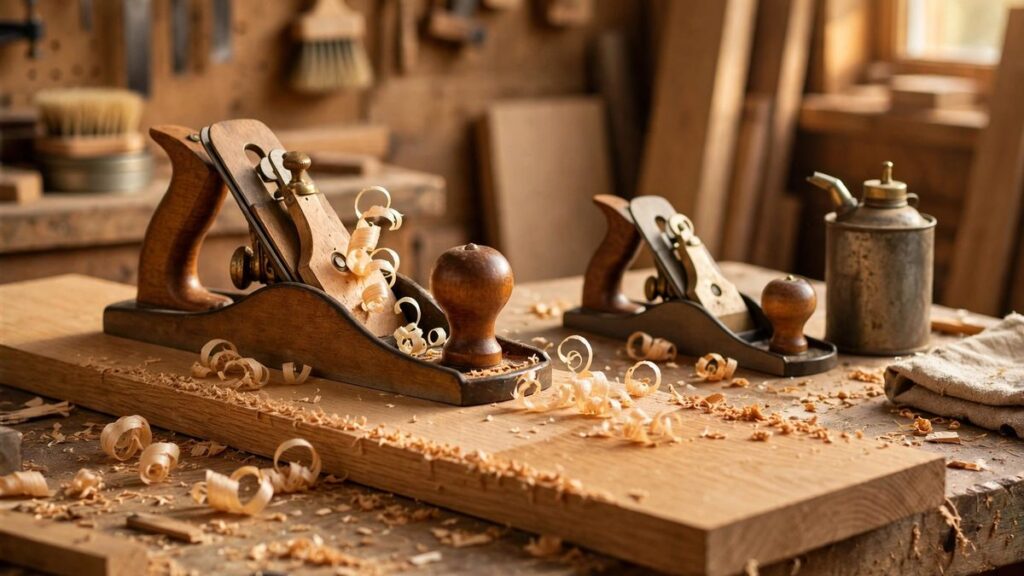
- Top Pick: JORGENSEN No.5 Wood Planer
- Runner-up: STANLEY No.4 Adjustable Bench Plane (12-404)
- Also consider: Conclusion
If you only buy two bench planes, make them a No. 5 jack plane and a No. 4 smoothing plane. The jack plane is the general-purpose bench tool: its 14-inch sole is long enough to flatten and true up boards, yet short enough for edge work and shooting board ends. The smoothing plane is the finishing tool, with a shorter sole that follows the surface and leaves it ready for finish. This roundup covers five current bench planes across both roles: a budget bevel-down jack plane, two low-angle No. 62 jack planes for end grain and difficult stock, and two No. 4 smoothing planes at budget and premium tiers. Every pick below is a current Amazon listing, and each section sticks to published specifications so you can compare sole length, blade steel, bed angle, and weight side by side.
As an Amazon Associate, we earn from qualifying purchases.
Table of Contents
- Quick Picks
- JORGENSEN No.5 Wood Planer
- Stanley Sweetheart No. 62 Low Angle Jack Plane
- WoodRiver #62 Low Angle Jack Plane
- STANLEY No.4 Adjustable Bench Plane (12-404)
- STANLEY No. 4 Sweetheart Smoothing Bench Plane (12-136)
- How to Choose
- FAQ
- Conclusion
- Product and ASIN Reference
Quick Picks
- Best all-round jack plane: JORGENSEN No.5 Wood Planer — a traditional 14-inch bevel-down jack plane with a ductile iron body and an O1 tool steel blade, at the budget tier.
- Best low-angle jack plane: Stanley Sweetheart No. 62 — a premium bevel-up jack plane with a 12-degree bed, an extra-thick A2 blade, and an adjustable mouth for end grain and shooting.
- Best mid-range low-angle option: WoodRiver #62 — the same No. 62 low-angle pattern with an adjustable mouth and cast iron body, positioned in the mid-range tier.
- Best budget smoothing plane: STANLEY No.4 (12-404) — the classic contractor-grade No. 4 with a precision-ground cast iron base and a 2-inch cutter.
- Best premium smoothing plane: STANLEY No. 4 Sweetheart (12-136) — a No. 4 smoother with an extra-thick A2 iron and cherry handles for fine finishing work.
JORGENSEN No.5 Wood Planer
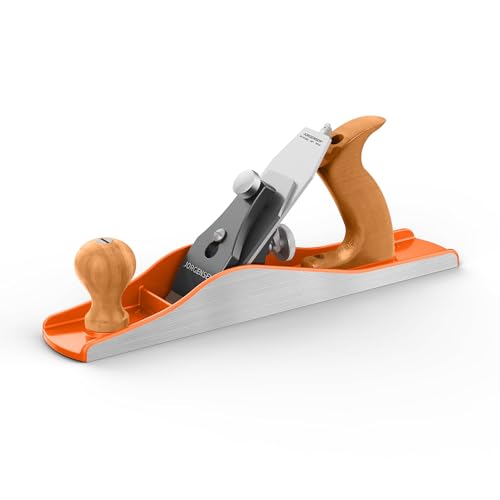
The JORGENSEN No.5 is the straightforward choice for a first jack plane. It follows the traditional No. 5 format: a 14-inch sole that bridges low spots when flattening panels and tabletops, paired with a bevel-down blade arrangement and adjustable cutting depth for everything from coarse stock removal to lighter truing cuts. The body is ductile iron, a casting material chosen for toughness, and the blade is O1 tool steel, a steel that is straightforward to hone on common sharpening setups. An ergonomic handle design rounds out a plane aimed at everyday bench work rather than specialty tasks.
Specs
- Plane type: No. 5 jack plane, bevel-down bench plane
- Sole length: 14 inches
- Body material: ductile iron
- Blade material: O1 tool steel
- Adjustment: adjustable cutting depth
- Handle: ergonomic handle design
- Tier: budget
For a shop building its first hand plane kit, this is the pattern to start with. A No. 5 with a slightly cambered iron handles rough flattening, and the same plane set fine takes lighter cuts on edges and faces. Woodworkers who later add a dedicated smoother can keep the No. 5 set up for heavier work, which is how most two-plane benches end up organized.
Stanley Sweetheart No. 62 Low Angle Jack Plane
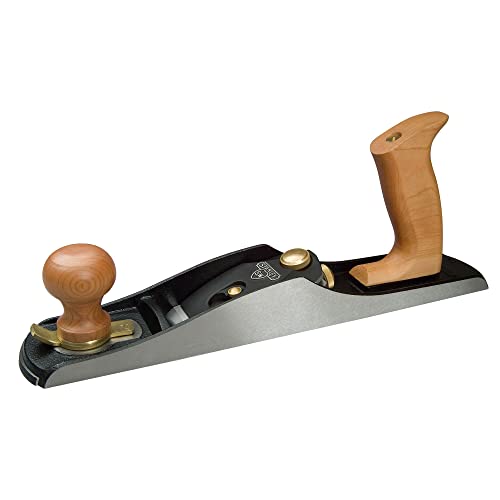
The Stanley Sweetheart No. 62 takes the jack plane in a different direction. Instead of the standard bevel-down layout, it beds its blade bevel-up at 12 degrees, which produces a low effective cutting angle that suits end grain, shooting board work, and stock that tears under a standard-angle plane. The mouth adjusts, so the opening in front of the blade can be closed down for fine work or opened for thicker shavings. The blade itself is A2 steel at 3/16 inch thick, substantially thicker than the irons on entry-level planes, and the body is ductile iron with cherry handles.
Specs
- Model: 12-137 (Sweetheart No. 62)
- Plane type: low-angle jack plane, bevel-up
- Sole length: 14 inches
- Blade: 2 inches wide, A2 steel, 3/16 inch thick
- Bed angle: 12 degrees
- Mouth: adjustable
- Body material: ductile iron
- Handles: cherry knob and tote
- Weight: about 6.3 pounds
- Replacement blade: 12-142
- Tier: premium
The extra weight is part of the design brief for this pattern: mass helps the plane carry momentum through end grain and dense stock. Because the blade is bevel-up, the cutting angle changes with the bevel ground on the blade, so one plane body can cover low-angle end grain work and, with a steeper bevel, more demanding face grain. It is the most versatile single jack plane in this roundup, and the one aimed at woodworkers who shoot a lot of end grain or work figured stock.
WoodRiver #62 Low Angle Jack Plane
WoodRiver’s #62 covers the same low-angle jack plane pattern in the mid-range tier. Like the Stanley above, it uses a bevel-up blade on a 12-degree bed with an adjustable mouth, in a cast iron body sized to the No. 62 format. That combination is what makes the pattern useful: the low bed angle keeps cutting resistance down on end grain, the adjustable mouth supports the wood fibers right at the cut for fine shavings, and the jack plane sole length keeps the tool useful for flattening and truing, not just trimming.
Specs
- Model: 158755W
- Plane type: low-angle jack plane, bevel-up
- Bed angle: 12 degrees
- Mouth: adjustable
- Body material: cast iron
- Sole format: No. 62 jack plane size, 14-inch class
- Tier: mid-range
Choosing between the two No. 62 planes in this roundup comes down to tier and specification detail rather than design, since both follow the same bevel-up pattern. The WoodRiver suits buyers who want the low-angle format for shooting and end grain work while staying in the mid-range. As with any bevel-up plane, plan on honing the blade bevel to the cutting angle you need, because the bevel, not the frog, sets how the plane behaves in reversing grain.
STANLEY No.4 Adjustable Bench Plane (12-404)

The STANLEY 12-404 is the long-running contractor-grade version of the No. 4 smoothing plane. Its gray cast iron base has precision-ground sides and a bottom machined smooth and true, and the body carries an epoxy coating for protection. The 2-inch cutter is hardened, tempered steel, and cutting depth adjusts manually. At roughly 9-3/4 inches long and about 2.75 pounds, it is sized for the final passes over faces and edges, where a shorter sole follows the surface instead of bridging it.
Specs
- Model: 12-404
- Plane type: No. 4 smoothing plane, bevel-down
- Cutter: 2 inches wide, hardened and tempered steel
- Body: gray cast iron, epoxy coated
- Base: precision-ground sides and bottom
- Adjustment: manual cutting depth adjustment
- Replacement cutter: 12-313
- Length: about 9-3/4 inches
- Weight: about 2.75 pounds
- Tier: budget
A No. 4 is not a flattening tool, and this one is not presented as one. Its job is the last stage of surface preparation: light, controlled cuts that remove the marks left by coarser work and leave a surface that needs little or no sanding. For woodworkers adding a dedicated smoother to a jack plane they already own, the 12-404 covers that role at the budget tier, with a standard cutter size that keeps replacement blades easy to source.
STANLEY No. 4 Sweetheart Smoothing Bench Plane (12-136)
The Sweetheart No. 4 is Stanley’s premium take on the same smoothing plane format. The headline specification is the iron: an extra-thick 1/8-inch blade in A2 steel, where standard contractor-grade planes use thinner high-carbon irons. A thicker iron resists flexing at the edge, and A2 is a wear-resistant tool steel chosen for edge retention between honings. The plane carries cherry handles, and the maker’s catalog lists it at 10-5/8 inches long with a 2-1/2-inch width across the body.
Specs
- Model: 12-136
- Plane type: No. 4 smoothing plane, bevel-down
- Cutter: 2 inches wide
- Iron: A2 steel, extra-thick at 1/8 inch
- Handles: cherry knob and tote
- Length: 10-5/8 inches (maker’s catalog)
- Width: 2-1/2 inches (maker’s catalog)
- Tier: premium
This is the smoother for the final surface on visible work: tabletops, drawer fronts, and casework sides where the plane, not abrasives, is meant to produce the finish. The trade-off with A2 steel is that it typically takes a little more effort to hone than simpler carbon steels, in exchange for holding its edge longer in abrasive or dense woods. Paired with any of the jack planes above, it completes the classic two-plane bench setup.
How to Choose
Start with the job split. A jack plane and a smoothing plane are not substitutes for each other. The jack plane’s longer sole flattens because it rides over hollows and cuts the high spots; the smoothing plane’s shorter sole follows an already-flat surface and refines it. If you buy one plane first, the No. 5 jack is the usual recommendation because it can be set up for rough work, truing, and lighter cuts. Add the No. 4 when surface quality becomes the priority.
Decide between bevel-down and bevel-up. Standard bench planes bed the blade bevel-down at a fixed angle, with a chip breaker that helps control tear-out. Low-angle jack planes bed the blade bevel-up on a 12-degree bed, so the bevel you hone sets the cutting angle: a standard bevel for end grain and shooting, a steeper bevel for difficult face grain. Bevel-up planes also dispense with the chip breaker, which simplifies the setup. Neither system is universally better; bevel-up is the more flexible single-plane option, while bevel-down planes are the traditional dedicated smoothers.
Check the blade specification. Blade width should match the plane size, and thicker irons, such as the 3/16-inch and 1/8-inch examples in this roundup, are a meaningful specification to compare because they relate to rigidity at the cutting edge. O1 steel is easy to hone; A2 holds an edge longer but asks more of your sharpening stones.
Look at the mouth and the sole. An adjustable mouth, found on the low-angle planes here, lets you close the opening for fine work in tear-prone stock. Sole length should match the format you expect: 14 inches for a jack plane, roughly 9-3/4 to 10-5/8 inches for the No. 4 smoothers listed. Weight is worth noting as well, since a heavier jack plane suits shooting and end grain, while a lighter smoother is easier to control on final passes.
FAQ
What is the difference between a jack plane and a smoothing plane?
A jack plane, usually a No. 5, has a sole around 14 inches long and is built for flattening, truing, and general bench work. A smoothing plane, usually a No. 4, has a sole under 11 inches and is built for final surface refinement. The longer sole flattens by bridging low spots; the shorter sole follows a flat surface and removes fine shavings for a finish-ready result.
Should a beginner buy a No. 4 or a No. 5 plane first?
The No. 5 jack plane is the common first purchase because it covers the widest range of work: flattening boards, jointing edges, trimming end grain on a shooting board, and taking lighter cuts when set fine. A No. 4 smoothing plane is the natural second plane, added when the finish quality of the surface itself becomes the goal.
What does a low-angle jack plane do better than a standard jack plane?
Its bevel-up blade sits on a 12-degree bed, giving a lower cutting angle that suits end grain and shooting board work, where standard-angle planes are more likely to crush or tear fibers. The cutting angle can also be raised by honing a steeper bevel on the blade, so one low-angle plane can be tuned for different stock without changing the frog.
How thick are the blades on these bench planes?
Blade thickness varies by model and tier. In this roundup, the Stanley Sweetheart No. 62 carries a 3/16-inch A2 blade and the Sweetheart No. 4 a 1/8-inch A2 iron, both thicker than the irons on typical budget planes. Thicker blades are published specifications worth comparing because the iron’s rigidity at the edge affects how the plane behaves in demanding grain.
Conclusion
For most hand-tool benches, the two-plane answer holds: a No. 5 jack plane for flattening and general work, and a No. 4 smoothing plane for the final surface. Buyers who work a lot of end grain or figured stock should look at the low-angle No. 62 format instead, in either the premium Stanley Sweetheart or the mid-range WoodRiver. On the smoothing side, the STANLEY 12-404 covers the basics at the budget tier, while the Sweetheart No. 4 adds an extra-thick A2 iron and cherry handles for finish-focused work. Compare sole length, blade steel and thickness, bed angle, and mouth adjustment against the work you actually do, and the right pairing from this list will cover the great majority of bench planing tasks.

Related guides
More from Amazon
Programs that pair well with the guide above. Offers and eligibility are set by Amazon and may change.
A free business account with business pricing and bulk-buying tools for work, shop or home office.
Create a business accountFree shipping on eligible items, Prime Video and more. Eligible new members can start with a free trial.
Start a Prime free trialAudiobooks and podcasts to listen to on the go. Eligible new members can start with a free trial.
Try Audible freeAd-free music streaming. Eligible new subscribers can start with a free trial.
Try Music Unlimited freeAs an Amazon Associate we earn from qualifying purchases.



Write Your Review
No reviews yet. Be the first to share your experience!