What's inside
As an Amazon Associate I earn from qualifying purchases. This post may contain affiliate links at no extra cost to you.
A sharp hand plane is the difference between wood that looks assembled and wood that looks finished. When you need to level a stubborn joint, shave a door edge that binds, or smooth a glue-up without burning through sandpaper, a well-tuned plane does the work in seconds and leaves a surface that is ready for finish. The problems start with cheap, poorly machined bodies and blades that dull quickly – they chatter, dig in, and force you to correct mistakes instead of refining the work.
After comparing block planes, bench planes, and specialty profiles side by side, the pattern is clear. Good planes feel stable in the hand, hold a fine shaving without constant readjustment, and offer precise control over cut depth and mouth opening. Bad ones flex, slip, or force you to fight the tool. For this roundup we focused on practical performance: how cleanly each plane cuts across grain and end grain, how consistently it holds its settings, and how comfortable it is during real trimming and smoothing tasks.
As an Amazon Associate we earn from qualifying purchases at no extra cost to you.


Our Top Picks
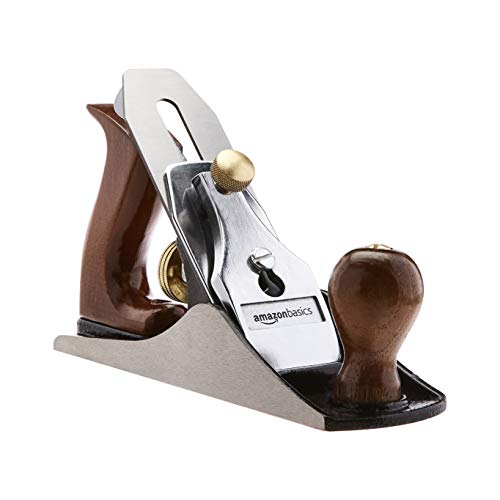 Amazon Basics No.4 Adjustable Precision Smoothing Bench Hand(Pack of 1)10 x 5.5 x 2.6 inches3.82 poundsCheck on Amazon


Quick Picks
| Product | Best for | Price |
|---|---|---|
| JORGENSEN No.101 Mini Wood Planer | Detail work and small crafts | n/a |
| JORGENSEN NO.60-1/2 6-1/4″ Wood Planer | End grain and trimming | n/a |
| Amazon Basics Woodworking Hand Planer – No.4 | Beginners seeking value | n/a |
| JORGENSEN No.4 10″ Wood Plane | General smoothing and flattening | n/a |
| JORGENSEN No.102 Wood Planer | One-handed precision trimming | n/a |
| Amazon Basics No.4 Adjustable Precision Smoothing Plane | Traditional feel on a budget | n/a |
| JORGENSEN Chamfer Plane | Chamfers and edge relief | n/a |
| KAKURI Japanese Hand Plane 42mm | Fine smoothing with pull stroke | n/a |
How We Picked
We evaluated hand planes on four criteria that directly affect results: body stability and sole flatness for chatter-free cuts, blade quality and edge retention for clean shavings, adjustability of cutting depth and mouth opening for control from coarse to fine, and ergonomics including balance, grip, and visibility of the cutting edge during use.
The 8 Best Hand Planes For Woodworking in 2026
1. JORGENSEN No.101 Mini Wood Planer
This mini block plane is built for work where a full-size bench plane is simply too much tool. The compact ductile iron body sits comfortably in one hand and gives you excellent control for trimming end grain, fitting small parts, and cleaning up craft projects. Cutting depth adjusts smoothly, so you can dial in whisper-thin shavings for final fitting without tearing out softer woods.
- Pro: Highly maneuverable size makes detail trimming and corner work much easier
- Pro: Solid ductile iron body provides stability uncommon in mini planes
- Con: Small sole is not suited for flattening wider boards or long edges
Skip it if you need a primary smoothing plane for panels or tabletops; choose a No.4 bench plane instead.
2. JORGENSEN NO.60-1/2 6-1/4″ Wood Planer
At 6-1/4 inches, this low angle block plane hits the sweet spot between control and versatility. The low angle geometry excels on end grain, plywood edges, and tricky grain reversals where standard bench planes tend to tear out. The professional ductile iron body adds reassuring heft, and the adjustable mouth lets you close it down for fine smoothing or open it up when you need a more aggressive bite.
- Pro: Low angle design produces noticeably cleaner cuts on end grain
- Pro: Adjustable mouth offers excellent fine-to-coarse versatility
- Con: Grip can feel short for users with larger hands during extended use
Skip it if you primarily smooth large face grain; a longer bench plane will keep surfaces flatter.
3. Amazon Basics Woodworking Hand Planer – No.4
This No.4 bench plane is the accessible entry point for woodworkers who want to try hand tool smoothing without a steep investment. With a 2-inch steel blade, it covers the classic smoothing role: leveling glue lines, removing mill marks, and refining surfaces before finish. The grey and black body is straightforward to adjust, and once the blade is honed, it delivers respectable shavings for general shop use.
- Pro: Familiar No.4 size is versatile for smoothing and light jointing
- Pro: Simple, approachable setup for beginners learning to sharpen and adjust
- Con: Factory blade requires more frequent honing than premium blades
Skip it if you demand long edge retention or ultra-fine tolerances out of the box; consider a higher-grade smoothing plane.
4. JORGENSEN No.4 10″ Wood Plane
The JORGENSEN No.4 at 10 inches is a true smoothing workhorse. The longer sole relative to block planes helps bridge low spots and leaves a flatter, more consistent surface across panels and edge joints. The ductile iron body stays planted during the cut, and the adjustable cutting depth makes it easy to transition from initial leveling to final, translucent shavings.
- Pro: 10-inch sole improves flatness over wider smoothing passes
- Pro: Precise depth adjustment supports both stock removal and fine finishing
- Con: Heavier than block planes, less convenient for one-handed trimming
Skip it if you need a pocketable trim plane for site work or delicate model work; a mini block plane will be more practical.
5. JORGENSEN No.102 Wood Planer
The No.102 is a compact low angle block plane designed for controlled, one-handed use. It shines when you need to pare a proud edge, flush a small inlay, or soften a corner without bringing out a full bench plane. The ductile iron body keeps it stable despite its small footprint, and cutting depth adjustment is intuitive enough to tweak mid-task without breaking rhythm.
- Pro: Excellent one-handed control for quick touch-ups and fitting
- Pro: Low angle cutter handles end grain and softwoods cleanly
- Con: Narrow blade and short sole limit stock removal on larger surfaces
Skip it if your work involves wide panel smoothing or heavy material removal; opt for a No.4 bench plane.
6. Amazon Basics No.4 Adjustable Precision Smoothing Bench Hand Plane
This second Amazon Basics No.4 leans into the traditional smoothing plane experience with wooden handles and a classic bench plane layout. The 2-inch blade width and adjustable design make it a capable all-rounder for shop smoothing, edge straightening, and pre-finish surface prep. The wooden handles offer a warm, familiar grip that many woodworkers prefer for longer smoothing sessions.
- Pro: Comfortable wooden handles reduce fatigue during extended smoothing
- Pro: Full-size bench plane format is versatile for general woodworking
- Con: Fit and finish require careful initial setup and blade tuning
Skip it if you want a dedicated compact trimmer or specialty chamfer tool; this is a generalist by design.
7. JORGENSEN Chamfer Plane
Unlike conventional flat-soled planes, this chamfer plane is purpose-built for consistent edge treatment. It includes four cutter heads with built-in storage, allowing you to switch profiles and create uniform chamfers along board edges and corners without relying on a steady hand alone. For carpenters and furniture makers who regularly break edges for feel and durability, it speeds up a repetitive task and delivers far more even results than sanding.
- Pro: Produces consistent, repeatable chamfers with minimal practice
- Pro: Built-in storage keeps all four cutter heads organized and protected
- Con: Specialty design is not useful for face grain smoothing or general flattening
Skip it if you need an everyday smoothing or trimming plane; this is a complement to, not a replacement for, a bench or block plane.
8. KAKURI Japanese Hand Plane 42mm
The KAKURI 42mm KANNA offers a distinctly different experience from Western push planes. Measuring 5.9 by 2.1 inches with an ECO oak body and Japanese steel blade, it is pulled toward the user for fine control. This style excels at delicate chamfering and final smoothing, leaving a polished surface that often needs little sanding. Made in Japan, it appeals to woodworkers who value tactile feedback and craftsmanship.
- Pro: Pull stroke provides exceptional control for fine, delicate shavings
- Pro: Japanese steel blade takes a keen edge for clean, polished surfaces
- Con: Learning curve for woodworkers accustomed only to Western push planes
Skip it if you want heavy stock removal or adjustable mouth features; a Western bench or block plane will be more forgiving.
Buying Guide
Plane Type and Sole Length
Match the plane to the task. Block planes, especially low angle models around six inches, are ideal for one-handed trimming, end grain, and fitting. Bench planes like a No.4 with a ten-inch sole are better for smoothing panels and flattening wider surfaces because the longer sole rides over valleys and reveals high spots. Specialty planes such as chamfer planes or Japanese KANNA are not all-rounders but excel when their specific edge treatment or pull-stroke control is exactly what you need.
Adjustment and Mouth Control
Adjustable cutting depth determines how fine or aggressive your shaving is, while an adjustable mouth controls how much wood is supported ahead of the blade. A tight mouth with a shallow cut gives tearout resistance on figured grain; an open mouth with a deeper cut clears material faster but is rougher. Look for adjustments that move smoothly without backlash and stay locked during use, so you do not have to reset mid-board.
Body Material and Blade Support
A flat, stable sole and a rigid body prevent chatter and keep cuts consistent. Ductile iron bodies are favored for their mass and resistance to cracking, which helps the plane stay planted. Wooden bodies, like the oak on the KAKURI, dampen vibration differently and feel lighter in the hand. Equally important is how the blade beds and how well the cap or wedge holds it; solid blade support translates directly into thinner, more uniform shavings.
Our Verdict
For most woodworkers building or refining furniture, the JORGENSEN No.4 10-inch Smoothing Plane is the top pick because its longer sole, stable ductile iron body, and precise depth control handle the broadest range of smoothing and flattening tasks with reliable results. On a tighter budget, the Amazon Basics No.4 Adjustable Precision Smoothing Bench Hand Plane with Wooden Handles delivers the essential bench plane experience and is the smart budget pick for learning and general shop use. If your work centers on end grain, small parts, or quick fitting, the JORGENSEN NO.60-1/2 Low Angle Block Plane wins outright thanks to its cleaner end grain performance and adjustable mouth.
FAQ
What is the difference between a block plane and a bench plane?
A block plane is small, often low angle, and designed for one-handed trimming and end grain work. A bench plane like a No.4 is longer and heavier, intended for smoothing larger surfaces and flattening with greater accuracy over distance.
Do I need a low angle plane for woodworking?
You do not strictly need one, but a low angle plane makes end grain and difficult grain much easier to cut cleanly with less tearout. If you frequently trim tenons, shoot edges, or work with figured wood, it is a worthwhile addition.
How do I get the best results from any hand plane?
Keep the blade razor sharp and set for a fine cut to start, then adjust deeper only as needed. Close the mouth for finishing passes and ensure the sole is clean and lightly waxed so the plane glides without skipping.
Is a chamfer plane necessary if I already own block and bench planes?
Not necessary, but it saves time and improves consistency if you regularly break edges on furniture, doors, or trim. You can chamfer with a block plane, but a dedicated chamfer plane with guided cutters keeps the angle and depth uniform.


0 Comments