What's inside
As an Amazon Associate I earn from qualifying purchases. This post may contain affiliate links at no extra cost to you.
Mortar mixing is one of those jobs that either goes smoothly or turns into a day-ruining mess. If you have ever hand-mixed a batch with a shovel on a tarp, you know the inconsistency: dry pockets, wet streaks, and joints that crumble before they cure. The right mixer eliminates that problem, but the category is confusing because it spans everything from pre-mixed adhesive pouches to powerful handheld electric paddles and drum-style machines with replacement blades.
What separates a genuinely useful tool from a disappointing one in this space comes down to a few things. Motor power matters for anything beyond a small batch. Portability matters when you are moving between jobsites or up and down ladders. And the mixing method itself matters enormously: a handheld paddle blends differently than a rotating drum, and a pre-mixed paste skips the water-ratio headache entirely. We compared and compared options across the full range so you can match the right approach to your project size and skill level.
As an Amazon Associate we earn from qualifying purchases at no extra cost to you.





Our Top Picks


Quick Picks
| Product | Best for | Price |
|---|---|---|
| YKF Ready-to-Use Polymer Cement Adhesive Paste | Small repairs and veneer work | n/a |
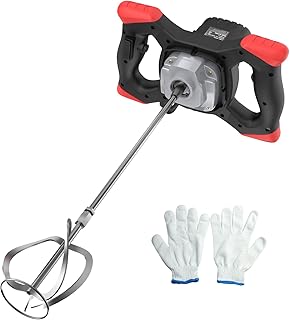
| SILVEL Cement Mixer 2300W | High-power handheld mixing at scale | n/a |
| IMAYCC Cement Mixer 2100W | Versatile handheld mixing for multiple materials | n/a |
| 2100W Cement Mixer with Paddle | DIY homeowners and small contractors | n/a |
| Quickpoint Mortar Gun Drill Adaptor | Tuckpointing and precision joint work | n/a |
| DAP Textured Mortar Sealant | Cosmetic joint matching and sealing | n/a |
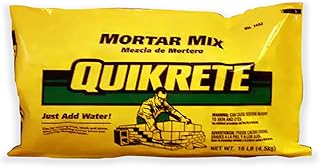
| 10LB Mortar Mix | Budget-friendly small-batch projects | n/a |
| Bon Tool Replacement Blades | Maintaining a drum-style stone mixer | n/a |
How We Picked
We evaluated each product on four criteria: power-to-output ratio for mixing consistency, versatility across material types, setup and cleanup time relative to hand mixing, and value for the intended user. A mixer that handles mortar well but chokes on thinset or grout is a problem for anyone doing mixed-material stonework. Ease of cleaning also weighed heavily because dried mortar destroys paddles and drums within a single afternoon if you skip that step.
The 8 Best Mortar Mixers For Brick And Stone Work in 2026
YKF Ready-to-Use Polymer Cement Adhesive Paste
This 4.4 lb pouch is not a mixer in the traditional sense, but it earns a spot because it eliminates the mixing step entirely for smaller jobs. It is designed for brick, block, and stone veneer with strong bonding on vertical surfaces indoors and outdoors.
- Pre-mixed consistency means zero water-ratio errors and no lumps.
- Works on vertical hardscape applications without sagging.
- Con: Limited to 4.4 lb per pouch, so it is impractical for large walls or foundations.
Skip this if you are mixing batches for a full retaining wall or foundation. It is ideal for repair work, small accent installations, and situations where you want a reliable bond without lugging equipment.
SILVEL Cement Mixer 2300W
At 2300W, this handheld unit delivers the highest wattage on our list and offers six adjustable speeds for matching different material densities. It handles mortar, paint, slurry, gypsum, and sheetrock, making it a general-purpose mixing tool rather than a single-trick device.
- Highest power output here, which translates to smooth blends in thicker mortar without bogging down.
- Six speeds give you fine control for transitioning from thin grout to heavy concrete.
- Con: Handheld design means prolonged mixing on large batches can fatigue your wrists and shoulders.
Consider skipping this if you regularly mix volumes above what a single person can manage comfortably, or if you need a hands-free drum solution for production-scale work.
IMAYCC Cement Mixer 2100W
Very similar in concept to the SILVEL, this 2100W handheld mixer covers mortar, paint, grout, plaster, thinset, and fodder stirring. The wattage sits just below the top pick, but real-world performance for typical brick and stone jobs is comparable.
- Proven 2100W motor handles thick mortar without stalling on standard batches.
- Versatile across multiple materials, including niche uses like plaster and thinset.
- Con: The product listing mentions fodder stirring, which signals a general-purpose design rather than a masonry-optimized one, so paddle geometry may not be ideal for heavy stone work.
Skip this if you want a tool purpose-built for masonry and are willing to pay slightly more for a dedicated design.
2100W Cement Mixer with Paddle
Another 2100W option, this mixer specifically highlights its paddle and copper motor construction. It targets DIY homeowners and small contractors who mix paint, grout, thinset, drywall mud, and self-leveling cement alongside mortar.
- Copper motor branding suggests a focus on durability under repeated load cycles.
- Six-speed adjustment matches the category standard for this power tier.
- Con: Generic packaging and branding make it harder to verify long-term parts availability compared to established tool brands.
Skip this if you already own a mixer above 2100W or if you need a branded tool with a local service network for warranty claims.
Quickpoint Mortar Gun Drill Adaptor
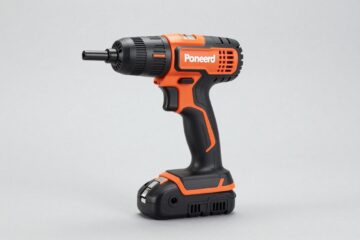
This is a specialized attachment that converts a standard drill into a precision delivery tool for tuckpointing, brick work, stone work, thin brick, grouting, crack repair, and glass block applications.
- Delivers mortar directly into joints with controlled volume, reducing waste and cleanup dramatically.
- Compatible with any standard cordless drill, so no extra power tool investment.
- Con: It does not mix at all, so you still need a separate mixing method to feed the gun.
Skip this if your primary need is bulk mixing rather than joint application. It is a delivery tool, not a mixer, and belongs in the kit of anyone doing finish-level masonry work.
DAP Textured Mortar Sealant
This 10.1 oz tube of elastomeric latex filler and sealant is designed to match the appearance of real mortar joints. It comes in gray and works for cosmetic repairs where full repointing is unnecessary.
- Fast cosmetic fix for faded or minorly cracked joints without tuckpointing.
- Elastomeric formula flexes with thermal movement, reducing future cracking.
- Con: Not a structural product. It cannot replace actual mortar where bond strength is load-bearing.
Skip this if you have joint depth greater than what a surface sealant can fill, or if the existing mortar is crumbling and needs structural replacement.
10LB Mortar Mix
This bag of dry mortar mix is the baseline material you would feed into any mixer on this list. At 10 lb, it suits small patch jobs, a single column section, or test batches before committing to larger purchases.
- Low commitment for experimenting with mix ratios and consistency.
- Widely available at big-box stores with no shipping logistics.
- Con: Ten pounds will not cover a meaningful wall area, so you will be making multiple trips or buying in bulk for real projects.
Skip this as a standalone purchase if you are starting a project that requires more than a small repair. It works best as a sample or emergency backup.
Bon Tool Replacement Blades for 6, 7 and 8 Cubic Feet Stone Mixer
These replacement blades fit drum-style stone mixers with 6, 7, and 8 cubic foot capacities. They are a maintenance part for anyone running a rotating-drum mixer on production masonry jobs.
- Extends the life of a high-capacity drum mixer at a fraction of replacement cost.
- Fits three common drum sizes, so one purchase covers fleet needs.
- Con: Only useful if you already own a compatible Bon Tool drum mixer, which is a significant capital investment on its own.
Skip this entirely if you are using handheld mixers or pre-mixed products. It is a niche part for contractors running volume operations.
Buying Guide
Wattage and Speed Control
For mortar specifically, anything under 2000W will struggle with stiff mixes and heavy aggregate. The 2100W to 2300W range we see dominating this category is the sweet spot where handheld units can blend thick mortar without the user needing to add excessive water, which weakens the final joint. Multiple speed settings matter because starting a dense batch at full power causes splashing; you want to ramp up gradually.
Mixing Method and Batch Size
Handheld paddles work well for batches up to roughly a half-bag of mortar. Drum mixers with 6 to 8 cubic foot capacity handle full-scale production but require a dedicated space and cleanup routine. Pre-mixed pastes and sealants bypass both but limit you to small surface areas. Match the method to your typical daily volume, not your largest occasional job.
Material Compatibility Beyond Mortar
Brick and stone work rarely involves mortar alone. You will mix thinset for veneer, grout for joints, and possibly plaster for finishes. A mixer that handles all of these without clogging or stalling saves you from owning three separate tools. Check whether the paddle geometry is designed for low-viscosity materials or if it is optimized solely for dense mortar.
Our Verdict
Our top pick is the SILVEL Cement Mixer at 2300W with six adjustable speeds. It delivers the most mixing power in the handheld category, and the speed range gives you control over every material you will encounter on a brick and stone job. For a budget-conscious entry, the 2100W Cement Mixer with Paddle offers nearly identical wattage at a price point that tends to undercut name-brand alternatives, making it the practical choice for DIY homeowners. If your work is primarily precision tuckpointing rather than bulk mixing, the Quickpoint Mortar Gun Drill Adaptor wins outright because delivery accuracy matters more than mixing volume in that context.
FAQ
Can I use a regular drill to mix mortar?
A standard drill with a paddle attachment can mix thin mortar or grout, but it will stall or overheat when facing the dense consistency of brick-laying mortar. Dedicated electric mixers in the 2100W and above range have gear ratios designed to maintain torque under heavy load.
How much mortar can a handheld mixer handle per batch?
Most handheld units in this category comfortably mix about half to one full standard bag of mortar per batch. Attempting more causes the motor to labor, produces uneven hydration, and risks overheating the windings.
Is pre-mixed polymer adhesive as strong as traditional mortar?
Polymer-modified adhesives like the YKF paste achieve excellent bond strength on vertical surfaces and are often superior for stone veneer specifically. Traditional cement mortar remains the standard for load-bearing brick coursing where compression strength and long-term weathering matter most.
Do I need a drum mixer for residential brick work?
No. A typical residential brick facade or garden wall can be completed efficiently with a 2100W to 2300W handheld mixer and a supply of 80 lb mortar bags. Drum mixers make sense for production crews laying hundreds of feet of wall per day.

0 Comments