What's inside
As an Amazon Associate I earn from qualifying purchases. This post may contain affiliate links at no extra cost to you.
Choosing between oil-based and water-based paint for wood trim comes down to the condition of the wood, the look you want, and how much time you have for preparation and drying. Oil paint is still useful for hard-wearing trim and difficult surfaces, but modern water-based acrylic and acrylic-alkyd paints are easier to use and perform well in most homes.
As an Amazon Associate we earn from qualifying purchases at no extra cost to you.
Our Top Picks

Oil-based vs. water-based paint for trim
| Feature | Oil-based paint | Water-based paint |
|---|---|---|
| Finish | Very smooth and hard; tends to level well | Clean, smooth finish; quality products level well |
| Drying time | Typically 8 to 24 hours between coats | Usually 1 to 4 hours between coats |
| Odor and ventilation | Strong solvent odor; requires good ventilation | Lower odor; still ventilate the room |
| Cleanup | Mineral spirits or paint thinner | Soap and water while wet |
| Durability | Hard and resistant to abuse, but can become brittle | Flexible and durable; premium formulas resist sticking and scuffing |
| Best use | Previously oil-painted trim, heavy-use areas, and restoration work | Most interior trim, new wood, and faster repainting |
When oil-based paint makes sense
Oil-based paint is a reasonable choice for old wood trim that already has several oil-based coats. It bonds well to a properly sanded, dull surface and produces a hard film that resists dents and abrasion. It also levels slowly, which can reduce visible brush marks on doors, baseboards, and detailed molding.
It can be useful on trim that gets constant handling, such as stair railings, door jambs, and mudroom casings. Oil paint is also effective when you need to seal minor stains or tannin bleed, although a dedicated stain-blocking primer is usually the more dependable solution.
The drawbacks are significant. Oil paint dries slowly, smells strong, and requires solvent cleanup. Dust can settle into the finish during its long open time. It also tends to yellow, especially in rooms with little sunlight. As the paint ages, the hard coating can become brittle and crack when the wood expands and contracts.
If you choose this route, buy a quality oil-based trim paint and have mineral spirits available for cleanup. Do not pour solvent or leftover paint down a drain.
Why water-based paint is usually the better default
For most interior wood trim, water-based paint is the practical choice. It dries quickly, has much less odor, and allows you to apply two coats in a day. A brush and roller can usually be washed with warm water before the paint dries.
Water-based acrylic paint remains slightly flexible, which helps it handle normal movement in wood without cracking as readily as a brittle oil film. It also resists yellowing better. Good trim enamels dry harder than ordinary wall paint and are available in satin, semi-gloss, and gloss sheens.
Do not use cheap flat or eggshell wall paint on baseboards and door trim. It will mark easily and may remain soft. Instead, look for a product labeled trim enamel, cabinet enamel, or urethane-reinforced water-based paint. A water-based trim enamel costs more than basic wall paint, but the extra durability is worthwhile on high-contact surfaces.
Water-based paint is not automatically trouble-free. It can raise the grain of bare wood, especially on softwoods such as pine. The first coat may also look uneven or slightly translucent. That is normal; plan on two finish coats over a properly primed surface.
Prepare the wood before choosing the finish
Preparation matters more than the paint label. Remove loose paint and scrape away any caulk that is failing. Wash greasy or dirty trim with a degreasing cleaner, then allow it to dry completely.
Sand glossy paint until it has a uniformly dull appearance. For most trim, start with 120- or 150-grit paper and finish with 180 grit. You do not need to remove every old layer unless it is peeling, cracked, or unstable. Vacuum the dust and wipe the surface with a slightly damp microfiber cloth.
Fill nail holes with a paintable wood filler. Let the filler dry, then sand it flush with 180- or 220-grit paper. On open-grained woods such as oak, paint will not hide the grain unless you use a grain filler, and even then the texture may remain visible.
Prime bare wood, filler, and any sand-through areas. Use a stain-blocking primer for knots, water marks, smoke stains, or reddish woods that bleed through paint. A stain-blocking wood primer is cheaper than repainting trim after knots appear as brown spots.
Painting over existing oil or water-based paint
You can generally apply water-based paint over old oil paint, but not directly onto a glossy surface. Clean it, sand it thoroughly, remove the dust, and apply a bonding or adhesion primer. Without that step, the new coating may peel in sheets when scratched or struck.
Water-based paint can be applied over old water-based paint after cleaning and scuff-sanding, provided the old coating is sound. Oil paint can also go over water-based paint, but the same preparation is required: clean, dull the surface, and prime if the old finish is questionable.
Test an inconspicuous spot when you are unsure. After the new paint cures for several days, press painter’s tape firmly onto it and pull it off quickly. If paint lifts, the surface needs better cleaning, sanding, or primer.
Application and drying tips
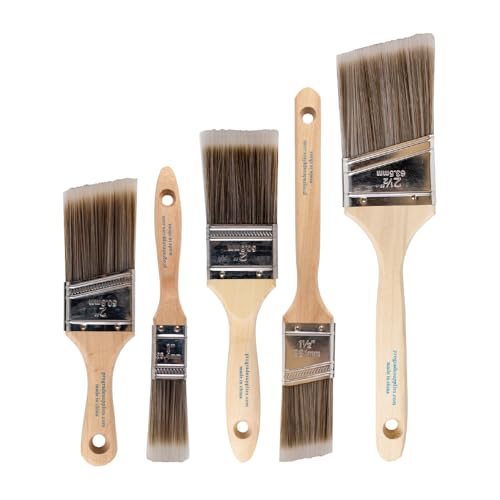
Use a high-quality angled sash brush, commonly 2 to 2 1/2 inches wide. Apply thin coats rather than trying to hide everything in one heavy pass. Heavy coats sag, stay soft, and collect brush marks. Sand lightly with 220 grit between coats only when the surface feels rough; remove all dust before recoating.
Water-based paint may feel dry in an hour but remain soft underneath. Wait the label’s stated recoat time, then avoid washing or heavy contact for at least several days. Oil paint may be dry to the touch while still vulnerable to fingerprints and sticking doors for much longer.
For most homes, choose water-based trim enamel after proper preparation and priming. Choose oil-based paint when matching an existing oil finish, restoring older trim, or prioritizing maximum hardness over odor, cleanup, and drying time. The cheaper water-based option is perfectly adequate for ordinary baseboards and casings if the surface is sound and the paint is a true trim enamel.
0 Comments