What's inside
As an Amazon Associate I earn from qualifying purchases. This post may contain affiliate links at no extra cost to you.
Milk paint and acrylic paint can both work on bare wood, but they produce very different finishes. Milk paint soaks into and bonds with porous wood, leaving a thin, low-build, slightly variable surface. Acrylic paint forms a more uniform film on top of the wood and gives better color coverage. The right choice depends on whether you want the wood grain and texture to remain visible or need a durable, consistent painted surface.
As an Amazon Associate we earn from qualifying purchases at no extra cost to you.


Our Top Picks
 Zinsser Bulls Eye Water-Base Primer & Sealer32 Fl Oz (Pack of 1)4.25 x 4.25 x 4.85 inches0 PoundsCheck on Amazon
Milk paint and acrylic paint at a glance
| Feature | Milk paint | Acrylic paint |
|---|---|---|
| Appearance | Flat, natural, often slightly mottled | Even and uniform, from matte to gloss |
| Coverage | Thin; wood grain usually remains visible | Higher build; hides grain with multiple coats |
| Best surface | Clean, porous, unfinished wood | Prepared wood, including sealed or previously painted surfaces |
| Durability | Good when top-coated, but more vulnerable to rubbing and moisture | Generally better for handling, impact, and light moisture |
| Working time | Shorter; mixed paint can spoil | Longer shelf life and easier storage |
| Typical cost | Often higher per finished square foot | Usually cheaper and easier to find |
How milk paint behaves on bare wood
Milk paint is a water-based coating made from pigment, a binder such as casein, and other mineral ingredients. It is commonly sold as a powder that you mix with water. On raw pine, oak, maple, and similar woods, it penetrates the fibers instead of creating the thick plastic-like layer associated with many acrylic paints.
That thin application is useful when you want an old-fashioned or primitive finish. The surface still feels like wood, and sanding through the paint can expose the edges naturally. Milk paint is also a good choice for highlighting figured grain, saw marks, and hand-built furniture.
It is less forgiving, however. Raw wood absorbs paint unevenly, especially across end grain, knots, and areas sanded to different grits. The first coat can look weak or patchy. Two or three coats are common, with light sanding between coats if you want a smoother result. A bonding agent may be needed on slick areas, but bare wood generally gives milk paint its best grip.
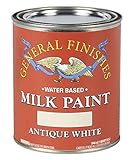
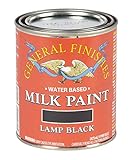
Buy a milk paint powder for wood when the finish itself is part of the project’s character. Mix only what you can use that day. Depending on the product and storage conditions, mixed milk paint may last anywhere from a day to several days before its protein binder develops an unpleasant smell or changes consistency.
How acrylic paint behaves on bare wood
Acrylic paint is the practical all-purpose option. It is water-based, widely available, easy to clean up, and sold in many sheens and colors. On bare wood, it forms a film that can hide uneven color, minor filler repairs, and some differences in the grain.
For furniture, shelves, signs, toys, and indoor trim, acrylic is usually easier to control than milk paint. A good-quality acrylic or acrylic-enamel product often covers in two coats. Thin the first coat only if the label allows it; excessive water can reduce the binder and leave a weak, chalky surface.
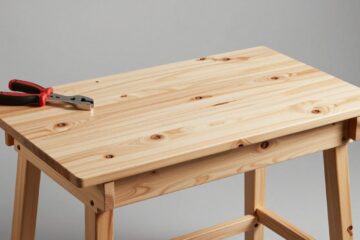
Raw wood still needs preparation. Acrylic can raise the grain, particularly on softwoods such as pine and fir. Sand with 120- or 150-grit paper, remove dust, apply a thin first coat, let it dry, then sand lightly with 180- or 220-grit paper. Remove the dust before the next coat. On end grain, expect extra absorption and possibly a third coat.
For the easiest application, use a water-based acrylic paint for wood projects. Artist acrylics work for small signs and decorative pieces, but they can be expensive over large areas and may not have the scrub resistance of a furniture-grade acrylic enamel.
Surface preparation matters more than the paint choice
Start by making the wood clean, dry, and uniformly sanded. Fill nail holes and open defects with a compatible wood filler, allow it to dry fully, and sand it flush. Dust is a common cause of rough paint, so vacuum the piece and wipe it with a clean, slightly damp cloth before painting.
Do not sand bare wood excessively smooth if you are using milk paint. Stopping around 150 or 180 grit leaves enough texture for absorption. Acrylic can tolerate a smoother surface, but sanding beyond 220 grit may burnish some woods and reduce adhesion.
Knots and resinous areas can bleed through light-colored paint. Seal them with a stain-blocking primer or shellac-based spot sealer before either finish. This is especially important with pine, cedar, and reclaimed wood. Without it, yellow or brown marks may appear days or weeks after painting.
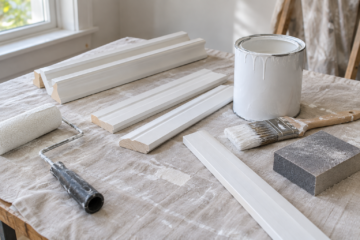
If the project will see regular handling, a water-based wood primer can improve coverage and reduce the number of acrylic coats. Primer is less useful when you deliberately want milk paint to soak into and reveal the wood.
Durability, sealing, and topcoats
Neither paint should be judged fully cured just because it feels dry. Acrylic may be dry to the touch in 30 to 60 minutes, but allow at least 24 hours before normal use and longer in cool or humid conditions. Milk paint also needs time to harden, particularly in thicker or poorly ventilated applications.
Milk paint benefits from a clear protective finish on tabletops, cabinets, and other high-contact surfaces. Use a compatible water-based clear coat if you want to preserve the color, and test it first because some finishes can deepen or alter pale pigments. Wax gives a pleasant feel but is less resistant to standing water and heat than a film-forming clear coat.
Acrylic often needs no topcoat on decorative objects or low-use furniture. On a desk, chair, cabinet door, or shelf, a clear water-based finish can add scratch resistance. Let the paint cure before applying it, and follow the finish manufacturer’s recoat instructions. Applying a clear coat too soon can soften or wrinkle the paint.
Which paint is the better buy?
Choose milk paint when you want a thin, matte, historically styled finish, visible grain, and natural variation. It is especially appropriate for raw furniture where brush marks and light distressing are welcome.
Choose acrylic when you need predictable coverage, a broad color selection, simple storage, or better resistance to everyday wear. For a child’s project, painted shelf, or first woodworking finish, acrylic is usually the less frustrating option. The cheaper acrylic option is perfectly adequate for signs, decorative boxes, and lightly used indoor pieces; spend more on a furniture-grade product only when coverage, leveling, or durability justifies it.
Whichever paint you choose, test it on scrap from the same board. A 6-by-6-inch sample will show how the wood absorbs the first coat, whether the color hides the grain, and whether the planned topcoat changes the appearance.
0 Comments