What's inside
As an Amazon Associate I earn from qualifying purchases. This post may contain affiliate links at no extra cost to you.
Chalk-style paint and cabinet enamel can both give old wood furniture a convincing new finish, but they are not interchangeable. Chalk-style paint is forgiving, fast, and useful when you want a distressed or low-sheen look. Cabinet enamel takes more preparation and patience, but it makes the harder, smoother film for tables, dressers, doors, and other furniture that gets handled every day.
As an Amazon Associate we earn from qualifying purchases at no extra cost to you.


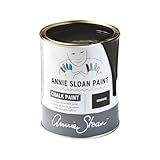

Our Top Picks
 1 gal Minwax 13333 Clear Polycrylic Water-Based Protective128 fl oz6.88 x 4.25 x 7.88 inches2.2 poundsCheck on Amazon
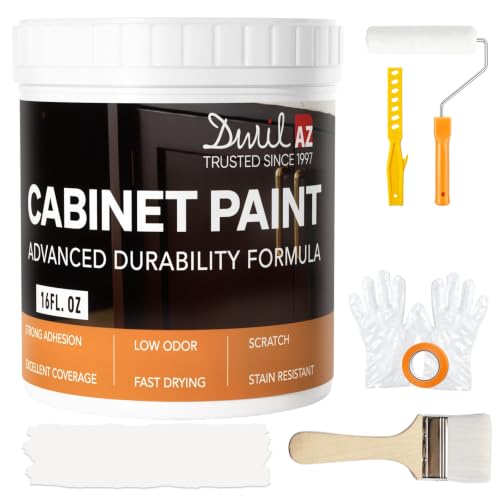
The Main Difference
Most chalk-style paints are water-based coatings loaded with fine mineral solids. They are designed to adhere with limited sanding and usually dry to a flat or soft-matte sheen. The surface feels slightly chalky unless you apply a protective topcoat. Many products marketed as “chalk paint” are acrylic or vinyl-acrylic formulations, so performance varies considerably between brands.
Cabinet enamel is a harder-drying trim or furniture coating, usually acrylic, acrylic-alkyd, or urethane-modified acrylic. It levels better, resists blocking, and handles repeated cleaning more effectively. It is made for a smooth, durable film rather than a deliberately brushed or aged appearance. For a high-use piece, water-based cabinet enamel is generally the safer purchase.
| Factor | Chalk-style paint | Cabinet enamel |
|---|---|---|
| Surface preparation | Light scuffing is often enough, but cleaning is still essential | Thorough cleaning, sanding, and usually primer |
| Appearance | Flat, soft, hand-painted, and easy to distress | Smoother, tighter, and available from satin to semi-gloss |
| Durability | Moderate; depends heavily on the sealer | High when applied correctly and fully cured |
| Application difficulty | Low; brush marks are part of the style | Moderate to high; defects show more clearly |
| Best use | Decorative pieces, distressed furniture, low-wear rooms | Dressers, cabinets, tables, and frequently handled furniture |
When Chalk-Style Paint Makes Sense
Choose chalk-style paint when the existing finish is ugly but sound, the piece has a traditional or rustic shape, and you want a forgiving hand-painted result. It is useful on ornate furniture where a perfectly smooth surface would be difficult to achieve. A dry-brushed coat can also emphasize carved details, while light sanding on corners creates controlled distressing.
It is not a magic coating for dirty, greasy, or failing finishes. Wax, furniture polish, silicone, and cooking residue can cause crawling, fisheyes, and adhesion failures. Clean the piece with a degreasing cleaner, rinse if the cleaner requires it, and let the wood dry fully. Sand glossy areas with 180- to 220-grit paper. You are creating tooth, not trying to remove every trace of the old finish.
Apply two thin coats rather than one heavy coat. A typical coat needs about 1 to 2 hours before recoating, but cool or humid conditions can extend that time. If the color is pale and the substrate is dark, stained, or tannin-rich oak, use a stain-blocking primer first. Oak, mahogany, and knotty pine can bleed brown or yellow through light paint; chalk-style paint does not automatically prevent that.
For protection, use a compatible furniture wax or clear water-based topcoat. Wax gives a traditional feel but is less practical on a dining table or heavily used dresser because it can soften with heat and requires maintenance. A water-based clear furniture topcoat is usually the better choice for regular use. Apply three thin coats when the label calls for it, allowing proper drying between coats.
When Cabinet Enamel Is Better
Use cabinet enamel when you want a clean, modern finish that will tolerate fingerprints, mild abrasion, and routine wiping. It is the better option for a nightstand, child’s dresser, desk, kitchen-style storage cabinet, or furniture with doors and drawers that rub against the frame.
Preparation determines whether enamel looks professional. Remove hardware and drawers, then wash away grease and polish. Scuff-sand the old finish with 150- or 180-grit paper, repair dents with a suitable wood filler, and sand repairs flat with 180- or 220-grit. Vacuum and wipe away dust. Bare wood, MDF edges, knots, and strong colors should receive a bonding or stain-blocking primer. A water-based bonding primer for wood is useful when you are unsure whether the existing finish is compatible.
Cabinet enamel rewards thin coats and a good brush or small microfiber roller. Heavy coats sag, stay soft, and collect dust. Lightly sand between coats with 320-grit paper only after the paint has dried hard enough to powder rather than gum up. Two finish coats are typical; a third may be needed over a strong color or on high-wear surfaces.
Do not judge the finish the next morning. Many water-based enamels feel dry in several hours but need 7 to 30 days to reach full hardness, depending on the product. Reinstall hardware carefully and avoid stacking or tightly closing painted parts during early curing. Drawer fronts that touch can stick together or pull paint off even when the surface appears dry.
Wood and Finish Problems to Watch For
Open-grained woods such as oak and ash may show texture through either paint. If you want a furniture-smooth result, fill the grain with a sanding sealer or grain filler before priming. Pine and fir can contain resinous knots that bleed through water-based coatings; spot-prime them with a stain-blocking product. Veneer requires lighter sanding because it can be worn through quickly, especially on edges. Solid wood panels also move seasonally, so do not bridge active cracks with a thick rigid film.
Old furniture may have an unknown finish. If the surface is flaking, waxy, or contaminated, neither coating will perform reliably without more aggressive cleaning and removal. Test your complete system—cleaner, primer, paint, and topcoat—on the underside or inside edge first. Check adhesion after 24 hours by cutting a small crosshatch and applying tape; peeling or lifting means the preparation or product combination needs correction.
Which One Should You Buy?
Chalk-style paint is fine when speed, low preparation, and a deliberately casual appearance matter more than maximum durability. It can be the cheaper overall option for a decorative side table or lightly used display piece, particularly if the existing surface is stable and you already accept a brushed texture.
Choose cabinet enamel for the smoother, longer-lasting result, especially on furniture that is touched daily or cleaned often. The extra cost is usually in preparation rather than paint: cleaner, sandpaper, primer, filler, and drying time. If you do not want to apply wax or a separate protective coat, enamel is also the simpler long-term system. Whatever you choose, clean first, test for adhesion, apply thin coats, and allow the finish to cure before putting the furniture back into service.
0 Comments