What's inside
As an Amazon Associate I earn from qualifying purchases. This post may contain affiliate links at no extra cost to you.
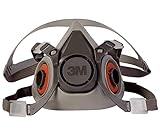
The best respirator and dust mask for beginners is a properly fitted half-mask respirator with P100 filters for regular sanding, while a disposable N95 is adequate for short, low-dust jobs when it seals well.
As an Amazon Associate we earn from qualifying purchases at no extra cost to you.



Quick picks by woodworking situation
| Situation | Best starting choice | Why it fits the situation | Typical market range |
|---|---|---|---|
| Occasional hand sanding | Disposable N95 cup or folded mask | Low cost, light, and simple for brief work | $1–$4 per mask |
| Frequent machine sanding | Reusable half-mask with P100 filters | Better filtration and a more dependable seal | $35–$80 initially |
| Turning bowls or spindle work | Half-mask P100 plus face shield, or a powered respirator | Turning produces unpredictable bursts of fine dust and debris | $50–$1,500, depending on system |
| Glasses and hearing protection already in use | Low-profile half-mask with replaceable filters | Usually interferes less with earmuffs than bulky full-face gear | $35–$100 |
| Dusty shop with facial hair | Powered air-purifying respirator with a hood or helmet | Does not depend on a tight face seal in the same way | $700–$1,500+ |
These are general buying categories, not medical or workplace-compliance recommendations. If you have asthma, another respiratory condition, or a job that requires formal respiratory protection, ask a qualified health or safety professional about the appropriate equipment and fit testing.
Best beginner options, ranked
1. Reusable half-mask with P100 filters: best overall
A reusable elastomeric half-mask is the most useful choice for a beginner who sands, cuts, or routs wood every week. Common examples include the 3M 6000 and 7500 series half-masks, when fitted with compatible P100 particulate filters such as 3M 2091 or 7093. Equivalent P100 half-mask systems from Moldex and other established industrial-safety manufacturers are also suitable when the filters are genuine and approved for that facepiece.
P100 filters are rated to remove at least 99.97% of test particles, including very fine particulate matter. That rating does not mean the mask is automatically protective: leaks around the nose, cheeks, or chin can defeat the benefit of the filter. A half-mask also leaves the eyes exposed, so use safety glasses or a face shield.
- Filtration: P100 particulate filtration; choose combination cartridges only when spraying finishes or using other vapors.
- Fit: Usually available in small, medium, and large sizes. The 3M 7502 is a medium-size model; size availability varies by brand.
- Breathing resistance: Low to moderate when filters are new, increasing as they load with dust.
- Glasses: Generally compatible with safety spectacles, though the nose bridge can compete for space.
- Hearing protection: Usually works with earplugs and many earmuffs because the mask straps sit on the head rather than over the ears.
For most hobbyists, this is the best balance of protection, cost, and ownership. Expect to replace particulate filters when breathing becomes noticeably harder, filters are damaged, or the manufacturer’s change schedule says they are due. Do not wash the filters; clean the facepiece separately according to its instructions.
2. Disposable N95: best for occasional light sanding
A certified N95 disposable respirator filters at least 95% of airborne particles under its test conditions. Models from 3M, Moldex, and Honeywell are widely available in cup and folded designs. Some have an exhalation valve, which can make breathing feel easier, but a valve does not improve filtration of the air leaving the mask and may not be accepted for every workplace or shared-air setting.
N95s make sense for a beginner who hand-sands a small project a few times per year and uses dust extraction at the source. They are less attractive for long machine-sanding sessions because the mask becomes damp, dirty, and uncomfortable sooner than a reusable facepiece.
Facial hair in the sealing area is a major limitation. Glasses can also fog if the nose seal is poor. Mold the nose clip carefully, position the mask high enough on the nose, and perform the manufacturer’s user seal check every time. A disposable mask that cannot seal should not be “made to work” by tightening the straps excessively.
3. Full-face respirator: best when eye protection and dust exposure overlap
A full-face respirator combines respiratory protection with a sealed eye area. A 3M 6000-series full-face respirator fitted with appropriate particulate filters is one established example. It can be useful for very dusty work, irritating woods, or users who dislike separate safety glasses.
The trade-offs are weight, heat, cost, and compatibility. Prescription glasses usually cannot be worn normally inside the mask; users may need an approved spectacle insert. Hearing protection can also be more awkward because the wider facepiece and straps compete with earmuff cushions. A full-face respirator is not a substitute for a face shield against a turning blank or a broken abrasive wheel.
4. Powered air-purifying respirator: best for difficult fit or long sessions
A PAPR uses a battery-powered blower to move filtered air into a hood, helmet, or facepiece. Systems such as 3M Versaflo are substantially more expensive and require batteries, chargers, filters, and replacement parts, but they can reduce the breathing effort associated with a tight negative-pressure mask. Hooded systems may also work better for people who cannot achieve a reliable conventional face seal.
For a home workshop, a PAPR is usually justified by frequent dusty work, long sessions, a difficult fit, or a professional need—not by occasional shelf sanding. Follow the specific system’s airflow checks, filter schedule, battery instructions, and workplace requirements.
P100 versus N95: what the numbers mean
| Characteristic | N95 disposable | P100 particulate filter |
|---|---|---|
| Minimum test filtration | 95% | 99.97% |
| Oil resistance designation | N = not resistant to oil | P = strongly resistant to oil |
| Facepiece | Disposable filtering facepiece | Usually replaceable filter on a reusable respirator |
| Typical maintenance | Discard when dirty, damaged, wet, or difficult to breathe through | Clean facepiece; replace filters as needed |
| Approximate filter weight | About 10–20 grams for the complete mask | About 20–35 grams per pair, depending on design |
The difference between 95% and 99.97% is meaningful, but neither percentage describes how much dust enters through a poor seal. A well-fitting N95 can be more useful than a badly fitted P100 respirator. For wood dust, select a product approved for particulate protection and do not assume that a thin fabric “dust mask” has the same certification.
Fit and comfort checks that matter
- Choose the size before buying replacement filters. A medium is common, but face shape matters more than the label. The sealing surface should lie flat without folding or pressing painfully into the skin.
- Keep straps in their intended positions. On a half-mask, one strap normally sits high on the head and the other low around the neck. Twisted straps can create leaks.
- Perform a positive and negative pressure check. Cover the filter inlets as directed by the manufacturer, inhale or exhale gently, and confirm that the facepiece moves slightly without air leaking around the edges.
- Check with your other equipment on. Put on glasses, earmuffs, a face shield, and a hat if you use them in the shop. Adjustments that seem fine alone may break the seal in combination.
- Move your face. Turn your head, talk, bend over, and look down. If the seal shifts, try another size or model.
Some workplaces require formal fit testing, and a user seal check is not the same thing. Facial hair in the sealing area can prevent an adequate seal regardless of brand.
Sanding versus turning: choose for the dust pattern
Sanding often creates a sustained cloud of fine dust, especially with random-orbit sanders, so a reusable P100 respirator paired with effective local dust extraction is the practical beginner setup. Connect the sander to a suitable extractor, keep the hose and tool ports clear, and avoid relying on the respirator as the shop’s only dust-control method.
Turning is different. A lathe can produce short, heavy bursts when a tool catches, and the rotating workpiece creates impact and eye hazards in addition to airborne dust. Use a face shield over safety glasses, keep the guard and tool rest correctly positioned, and wear respiratory protection during dry sanding. A hooded PAPR can be more comfortable for lengthy turning sessions, but it still does not protect against a flying blank or tool.
Ownership costs and common mistakes
Suppose a reusable half-mask costs $55 and a pair of P100 filters costs $18. If the facepiece lasts three years and you replace filters four times per year, the estimated cost over 36 months is $55 + (12 × $18) = $271, or about $7.50 per month. A disposable N95 costing $2 used twice weekly would cost roughly $208 per year before considering whether it must be discarded sooner because of sweat, finish residue, or heavy dust.
- Do not store a dirty respirator in the open shop; seal it in a clean bag or container after cleaning and drying.
- Replace stretched, cracked, sticky, or hardened face seals and straps.
- Never share a reusable facepiece without cleaning and disinfecting it as specified.
- Do not use particulate filters for solvent vapors, spray finishing, or unknown contaminants.
- Do not sand treated, painted, or unknown reclaimed wood without identifying the material and selecting protection accordingly.
For most beginners, start with a correctly sized half-mask and P100 filters if you sand regularly; choose an N95 for occasional light work; and step up to a full-face respirator or PAPR only when fit, eye protection, or long-session comfort makes the simpler option inadequate.
0 Comments