

Key takeaways
- Compare the best spokeshaves for shaping wood, with flat and round soles, adjustable mouths, full specs, buying tips, and answers to common questions.
What's inside
As an Amazon Associate I earn from qualifying purchases. This post may contain affiliate links at no extra cost to you.
- Top Pick: Stanley 12-951 Spokeshave, Flat Base
- Runner-up: Swpeet 10-Inch Adjustable Spokeshave, Flat Base
- Also consider: Taytools 469553 Spokeshave Set, Flat and Round
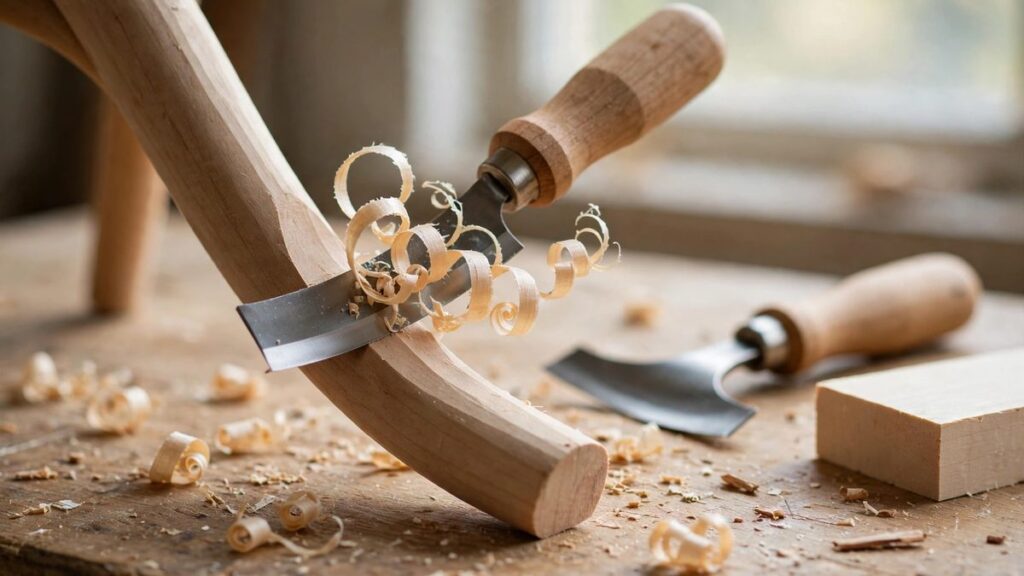
If you shape curved parts by hand, the best spokeshave for most woodworkers is the Stanley 12-951, a flat-base cast iron shave with a wide replaceable blade and simple twin-screw depth adjustment. Woodworkers who work both outside and inside curves get more coverage from the Taytools 469553 two-piece set, which pairs a flat sole with a round sole in one purchase. For figured grain that tears out under a fixed mouth, the WoodRiver adjustable spokeshave adds a movable shoe that narrows the throat opening, while the Jorgensen No.59F is the premium pick, with a thick O1 steel blade in a cast stainless body. The Swpeet 10-inch adjustable spokeshave rounds out the list as a budget flat-base option with a hardened SK2 blade.
A spokeshave is a small two-handled plane built for curves. Where a bench plane needs a long, flat reference surface, a spokeshave has a short sole that follows convex and concave shapes, which makes it the standard tool for chair legs and spindles, cabriole legs, paddles, tool handles, bows, and the curved rails and aprons found across furniture work. The five models below cover flat and round soles, fixed and adjustable mouths, and budget, mid-range, and premium tiers, with specifications taken from published listing and manufacturer data.
As an Amazon Associate, we earn from qualifying purchases.
Table of Contents
- Quick Picks
- Stanley 12-951 Spokeshave, Flat Base
- Swpeet 10-Inch Adjustable Spokeshave, Flat Base
- Taytools 469553 Spokeshave Set, Flat and Round
- Jorgensen No.59F Spokeshave
- WoodRiver Adjustable Spokeshave
- How to Choose a Spokeshave
- FAQ
- Conclusion
- Product and ASIN Reference
Quick Picks
- Best budget flat-base shave: Stanley 12-951, a cast iron classic with a 2-1/8 inch replaceable blade and a storage pouch included.
- Best two-piece set: Taytools 469553, one flat-sole and one round-sole shave with tool steel blades and brass adjusters.
- Best for figured grain: WoodRiver Adjustable Spokeshave, with a movable shoe that tightens the mouth for fine shavings.
- Best premium pick: Jorgensen No.59F, with a 3 mm O1 steel blade, cast stainless body, and beech handles.
- Best low-cost starter: Swpeet 10-Inch Adjustable Spokeshave, a flat-base iron shave with a hardened SK2 blade and double-screw adjustment.
Stanley 12-951 Spokeshave, Flat Base

The Stanley 12-951 is the modern version of the flat-base metal spokeshave that has been a workshop staple for generations, and it remains the easiest recommendation in the budget tier. The flat sole suits convex curves and gentle outside profiles, which covers the majority of shaping work: rounding chair legs, fairing spindles, shaping handles, and easing the edges of curved rails. The cast iron body gives the tool enough mass to stay planted through a cut without feeling heavy in the hands.
Setup is straightforward. The blade is 2-1/8 inches wide and replaceable, and two adjustment screws set its depth, so small, even changes are easy to dial in without tapping the iron with a hammer. A vinyl pouch is included for storage, which keeps the exposed edge from nicking other tools in a drawer or toolbox. Stanley backs the tool with a limited lifetime warranty. For a first spokeshave, or a dependable flat-base spare, the 12-951 covers the fundamentals at the lowest commitment in this roundup.
Specs
- Sole: flat base for convex and outside curves
- Blade: 2-1/8 inch wide, replaceable
- Body: cast iron
- Adjustment: two depth-adjustment screws
- Included: vinyl storage pouch
- Warranty: limited lifetime, per the manufacturer
Swpeet 10-Inch Adjustable Spokeshave, Flat Base

The Swpeet 10-inch spokeshave follows the same classic flat-base pattern as the Stanley, with a few specification differences worth noting. Its blade is ground from SK2 carbon steel and hardened to a published 58 to 60 HRC, which is at the harder end of the range for tools in this tier and supports a keen, durable edge. Blade width is 46 mm, slightly narrower than the Stanley iron, which some woodworkers prefer for tighter control on narrow stock such as spindles and handle blanks.
Depth is set with a double-screw adjustment system, turning two thumbscrews to advance or retract the edge evenly across its width. The body is an iron casting, and the handles are contoured and finished with an epoxy coating, which gives a smoother grip than bare cast metal. At 10 inches overall, it matches the standard footprint for this style of shave. As a budget-tier starter tool for general shaping of convex parts, the Swpeet offers published specifications that compare well with better-known names.
Specs
- Overall length: 10 inches
- Sole: flat base
- Blade: 46 mm SK2 carbon steel, hardened to 58 to 60 HRC
- Adjustment: double-screw depth adjustment
- Body: iron casting with epoxy-coated contoured handles
Taytools 469553 Spokeshave Set, Flat and Round

Most shaping projects eventually present both an outside curve and an inside curve, and the Taytools 469553 set answers that with two complete spokeshaves in one box: one flat-sole model for convex work and one round-sole model for concave work such as the inside of a curved apron, a chair crest rail underside, or a scooped seat edge. Buying the pair together is the mid-range route to full curve coverage without shopping for a second tool later.
Both shaves share the same specification sheet. The blades are 2 inches wide and 0.075 inch thick, ground from tool steel hardened to 55 to 60 HRC. The bodies are ductile cast iron, a tougher casting than standard gray iron, and the adjustment hardware is solid brass, with knurled knobs that are easy to turn with fingertips. Each tool measures 9.5 inches long and weighs 14.5 ounces, so the pair handles consistently when switching between soles mid-project. For woodworkers building chairs or other curve-heavy furniture, this set is the most complete package in the roundup.
Specs
- Set contents: one flat-sole spokeshave and one round-sole spokeshave
- Blades: 2 inches wide, 0.075 inch thick tool steel, hardened to 55 to 60 HRC
- Bodies: ductile cast iron
- Adjustment: solid brass knobs and nuts
- Size: 9.5 inches long, 14.5 ounces each
Jorgensen No.59F Spokeshave
The Jorgensen No.59F is the premium option in this group, built around a blade specification that stands apart from the rest. The iron is O1 tool steel, 3 mm thick, hardened to 62 HRC, plus or minus 2. A thicker, harder blade resists flex and chatter in difficult grain and holds its edge longer between honings, which matters when shaping dense hardwoods or end-grain transitions on legs and arms.
The body is cast stainless steel rather than iron, so it shrugs off the corrosion that workshop humidity can cause on bare castings. The handles are beech wood, shaped for a two-handed pull or push stroke, and they give the tool a warmer grip than all-metal designs. Overall length is 10-7/16 inches. Fine depth adjustment is handled by knurled screws, allowing small, repeatable changes to shaving thickness. Woodworkers who use a spokeshave weekly and want one refined flat-base tool, rather than a drawer of them, are the audience for the No.59F.
Specs
- Blade: O1 tool steel, 3 mm thick, hardened to 62 HRC (plus or minus 2)
- Body: cast stainless steel
- Handles: beech wood
- Overall length: 10-7/16 inches
- Adjustment: knurled fine-adjustment screws
- Sole: flat base
WoodRiver Adjustable Spokeshave
The WoodRiver adjustable spokeshave, model 150740W, is built for the situation that defeats fixed-mouth shaves: figured, reversing, or tear-out-prone grain. A movable shoe ahead of the blade sets the mouth opening. Narrow the opening and the tool takes thin, controlled shavings that leave a clean surface on curly or interlocked grain; open it up and the same tool removes material quickly for rough shaping. That single feature extends the range of work one flat-base shave can handle.
The body is cast iron and weighs 1.05 pounds, the heaviest specification in this roundup, and the extra mass helps the tool track steadily through a long curve without skipping. The long handles give both hands room to steer through a cut. WoodRiver is the house brand of a national woodworking retailer, and the design follows the adjustable-mouth pattern long used on premium metal shaves. For woodworkers who regularly shape figured hardwood furniture parts, this is the most capable mid-range pick here.
Specs
- Model: 150740W
- Body: cast iron
- Weight: 1.05 pounds
- Mouth: adjustable shoe sets the throat opening
- Sole: flat base
- Best for: figured and tear-out-prone grain
How to Choose a Spokeshave
Start with the sole shape. A flat sole handles convex curves, outside profiles, and gentle flats, which is most shaping work, so a flat-base shave is the right first purchase. A round sole is made for concave curves, such as the inside of a curved rail or a dished seat blank. A curved or half-round sole splits the difference for shallow hollows. If a project list includes both directions of curve, a two-piece set like the Taytools pair covers both without a second order.
Look at the blade. Widths around 2 inches are standard and balance control with coverage. Thicker irons, like the 3 mm O1 blade in the Jorgensen, resist chatter and are worth choosing for dense hardwoods. Published hardness in the 55 to 62 HRC range is typical; harder edges hold longer but take a little more patience to hone. Every spokeshave blade needs a flat, polished back and a honed bevel before first use, so budget a few minutes of setup regardless of tier.
Check the adjustment system. Twin depth screws, as on the Stanley and Swpeet, make even, repeatable settings easy for beginners. Brass knobs, as on the Taytools set, do the same job with a finer feel. Models without mechanical adjusters rely on tapping the blade, which works but slows setup. An adjustable mouth, found on the WoodRiver, is a separate feature: it controls the throat opening ahead of the edge and is the single biggest help against tear-out in figured grain.
Consider body and weight. Cast iron bodies add helpful momentum and are the norm. Ductile iron is tougher against drops. Stainless resists rust in damp shops. Weights in this group run from about 14.5 ounces to just over a pound; lighter tools feel nimble on small parts, while heavier tools track better on long curves. Finally, match the tier to the workload: budget shaves shape softwoods and occasional parts well, mid-range tools add sole coverage or mouth adjustment, and premium blades and bodies reward frequent use on hardwood furniture.
FAQ
What is a spokeshave used for?
A spokeshave shapes and smooths curved wooden parts that a bench plane cannot follow. Common jobs include chair legs and spindles, cabriole legs, tool handles, canoe paddles, curved aprons and rails, and rounded edges on furniture. Its short sole rides over convex and concave surfaces while the two handles let the woodworker pull or push the cut with fine control over shaving thickness.
Should I choose a flat or round sole spokeshave?
Choose a flat sole for convex, outside curves and gentle shaping, which covers most furniture work and is the better first tool. Choose a round sole for concave, inside curves, such as the inner face of a curved apron or a scooped seat. If projects regularly include both, a matched set with one of each sole is the most economical way to cover both directions of curve.
How is blade depth adjusted on a spokeshave?
Most metal spokeshaves in this roundup use two screws or knurled knobs that advance or retract the blade evenly across its width. The goal is an edge that projects just enough to take a thin, even shaving. Small, equal turns on both adjusters keep the cut balanced from side to side, and a test pass on scrap stock confirms the setting before the tool touches the workpiece.
How do you sharpen a spokeshave blade?
Remove the blade and flatten and polish its back on a stone or abrasive film, then hone the bevel at its established angle. The blade is short, so many woodworkers hold it in a small jig or with a magnetic holder to keep fingers clear of the edge. A freshly honed blade should take a continuous, tissue-thin shaving; if the tool chatters or tears grain, the edge, rather than the technique, is the first thing to check.
Conclusion
The right spokeshave depends on the curves in front of you. The Stanley 12-951 is the dependable budget flat-base pick for general shaping, the Swpeet 10-inch matches that pattern with a harder SK2 blade, and the Taytools 469553 set covers inside and outside curves in one box. The WoodRiver adjustable shave earns its place on figured grain thanks to its movable shoe, and the Jorgensen No.59F is the premium flat-base tool, with a thick O1 blade in a stainless body. Match the sole to the curve, hone the blade before first use, and any of these five will shape wood cleanly.

Related guides
More from Amazon
Programs that pair well with the guide above. Offers and eligibility are set by Amazon and may change.
A free business account with business pricing and bulk-buying tools for work, shop or home office.
Create a business accountFree shipping on eligible items, Prime Video and more. Eligible new members can start with a free trial.
Start a Prime free trialAudiobooks and podcasts to listen to on the go. Eligible new members can start with a free trial.
Try Audible freeAd-free music streaming. Eligible new subscribers can start with a free trial.
Try Music Unlimited freeAs an Amazon Associate we earn from qualifying purchases.




Write Your Review
No reviews yet. Be the first to share your experience!