RP Woodworks

  • Home
  • Reviews
  • Projects
  • Tools
  • Woodworking Techniques
  • About

Painting & Priming

Priming and painting wood for a smooth, durable painted finish.

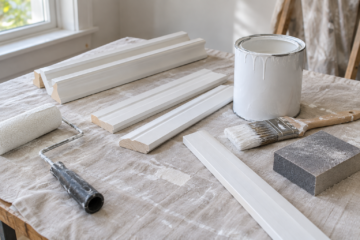
AI-generated editorial illustration of wood paint
Painting & Priming

Chalk-Style Paint vs Cabinet Enamel on Wood Furniture

Chalk-style paint and cabinet enamel can both give old wood furniture a convincing new finish, but they are not interchangeable. Chalk-style paint is forgiving, fast, and useful when you want a distressed or low-sheen look. Cabinet enamel takes more preparation and patience, but it makes the harder, smoother film for Read more
By , 2 weeksSeptember 25, 2026 ago
AI-generated editorial illustration of wood paint
Painting & Priming

Acrylic Paint vs Alkyd Paint for Interior Woodwork

The short answer For most interior woodwork, acrylic paint is the practical default. It dries quickly, cleans up with water, stays flexible as wood moves, and resists yellowing better than traditional alkyd paint. It is usually the better choice for baseboards, door casings, window trim, and built-ins in ordinary rooms. Read more

By , 2 weeksSeptember 25, 2026 ago
AI-generated editorial illustration of wood paint
Painting & Priming

Oil-Based Paint vs Water-Based Paint for Wood Trim

Choosing between oil-based and water-based paint for wood trim comes down to the condition of the wood, the look you want, and how much time you have for preparation and drying. Oil paint is still useful for hard-wearing trim and difficult surfaces, but modern water-based acrylic and acrylic-alkyd paints are Read more

By , 2 weeksSeptember 25, 2026 ago
AI-generated editorial illustration of wood paint
Painting & Priming

How to Degrease Wood Before Applying Primer

Why degrease wood before primer? Grease, wax, polish, hand oils and oily residue can keep primer from wetting the surface or bonding evenly. The warning signs include fisheyes—small round craters where the coating pulls away—patchy coverage, and primer that peels when scratched or sanded. Cleaning is especially important on kitchen Read more

By , 2 weeksSeptember 25, 2026 ago
AI-generated editorial illustration of wood paint
Painting & Priming

How to Paint Wood with a Two-Part Enamel System

A two-part enamel system combines a base coat with a chemical hardener. Once mixed, the coating cures into a tougher film than ordinary one-part enamel. It can be useful on cabinets, doors, trim, and furniture that get frequent handling, but it is less forgiving: the mix has a limited working Read more

By , 2 weeksSeptember 25, 2026 ago
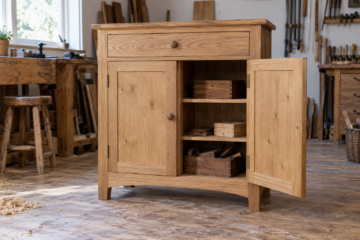
AI-generated editorial illustration of wooden cabinet
Painting & Priming

How to Spray Paint Wood Cabinets for a Smooth Finish

Spray painting wood cabinets can produce a smooth, even finish, but the result depends more on preparation and paint choice than on the sprayer itself. The steps below cover both bare wood and previously finished cabinets, including how to avoid drips, rough patches, and paint that peels around handles. Choose Read more

By , 2 weeksSeptember 25, 2026 ago
AI-generated editorial illustration of wood paint
Painting & Priming

How to Seal the End Grain of a Wood Project Before Painting

End grain absorbs paint differently from the face and edge grain of a board. Its exposed fibers act like a bundle of tiny straws, pulling primer into the wood and often leaving a dull, rough, or uneven patch. The problem is most noticeable on plywood edges, cut ends of solid Read more

By , 2 weeksSeptember 25, 2026 ago
AI-generated editorial illustration of wood paint
Painting & Priming

How to Paint MDF Edges for a Smooth, Sealed Finish

MDF edges absorb paint much faster than the faces. The exposed fibers swell and drink in the first coat, leaving a rough, dull edge even when the broad surfaces look smooth. The fix is to seal the edge before applying your finish coats. With the right preparation and a little Read more

By , 2 weeksSeptember 25, 2026 ago
AI-generated editorial illustration of wood paint
Painting & Priming

How to Apply Primer to Bare Wood Before Enamel Paint

Bare wood needs a compatible primer before enamel paint. Primer helps the finish stick, evens out absorption, and reduces stains or wood extractives bleeding through. The right choice depends on the wood, the enamel, and whether the work is indoors or outside. A careful sanding and a thin, even primer Read more

By , 2 weeksSeptember 25, 2026 ago
AI-generated editorial illustration of wood paint
Painting & Priming

How to Compare Paint Sheens for Interior Woodwork

Paint sheen is the amount of light a dried coating reflects. On interior woodwork, sheen affects more than appearance: it changes how visible sanding defects are, how easily fingerprints clean off, and how well the finish stands up to handling. The best choice depends on whether you are painting baseboards, Read more

By , 2 weeksSeptember 25, 2026 ago

Posts pagination

Previous 1 … 4 5 6 … 14 Next
Recent Posts
  • Best Woodworking Clamps: Which Types to Buy and How Many You Need
  • Best Pocket Hole Jigs in 2026: Kreg, Massca and Milescraft Compared
  • Best Dovetail Jigs: Fixed, Multi-Template and Variable-Spacing Options Explained
  • Best Compact Wood Routers: Corded vs Cordless Picks for Edge Work and Trimming
  • How to Repair a Wood Split Caused by a Screw (Even in Thin Teak)
Recent Comments
No comments to show.
Archives
  • October 2026
  • September 2026
Categories
  • Clear Coats & Topcoats
  • Finish Problems & Fixes
  • Gift Guides
  • Grain Filling & Sealing
  • Guides
  • Oils & Waxes
  • Painting & Priming
  • Sanding & Surface Prep
  • Shop Setup & Safety
  • Staining & Dyes
  • Tool Troubleshooting
  • Tools
  • Wood Finishing
  • Wood Species & Lumber
  • Woodworking Techniques
Hestia | Developed by ThemeIsle