What's inside
As an Amazon Associate I earn from qualifying purchases. This post may contain affiliate links at no extra cost to you.
White-painted wood usually yellows for one of three reasons: the finish itself is ambering, the paint is reacting with oils or contaminants underneath, or sunlight and heat are changing the coating. The safest finish for preserving a clean white appearance is a high-quality, water-based clear coat labeled non-yellowing or crystal clear. It adds protection without the strong amber cast common with oil-based polyurethane.
That does not mean every clear finish is suitable. Clear coats can slightly darken white paint, change the sheen, or peel if applied over a poorly prepared surface. The best result comes from choosing the right coating and applying thin coats over fully cured paint.
As an Amazon Associate we earn from qualifying purchases at no extra cost to you.


Our Top Picks
 Minwax 233334444 Polycrylic Protective Wood Finish8 fl oz2.9 x 2.9 x 3 inches0.66 poundsCheck on Amazon
 1 gal Minwax 13333 Clear Polycrylic Water-Based Protective128 fl oz6.88 x 4.25 x 7.88 inches2.2 poundsCheck on Amazon
 Varathane Water-Based Ultimate Satin PolyurethaneHalf Pint (Pack of 1)3 x 3 x 3 inches0.64 poundsCheck on Amazon
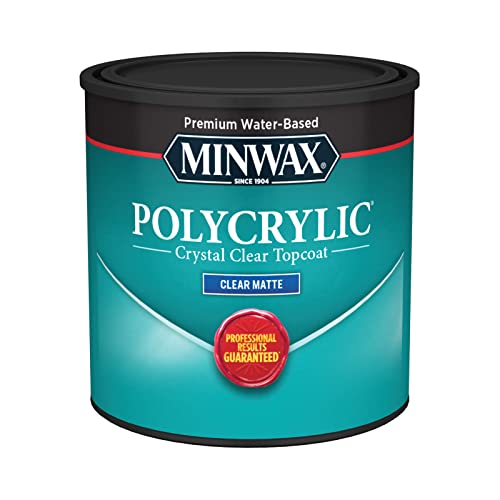
Best overall: water-based polyurethane or acrylic clear coat
For most painted furniture, trim, cabinets, and decorative woodwork, use a water-based non-yellowing clear coat. Water-based polyurethane and acrylic-polyurethane blends dry clear, have low odor, and generally remain much whiter than oil-based finishes.
Look for labels such as “non-yellowing,” “crystal clear,” or “water-based.” A satin or matte sheen is usually more forgiving than gloss because it hides minor brush marks and surface defects. Gloss provides the easiest cleaning but can make dust, sanding scratches, and uneven paint more obvious.
Water-based clear coats are not completely immune to color change. Some become slightly warmer after years of exposure to ultraviolet light or household heat. They are still the better choice when preserving white paint is the priority.
Clear finishes compared
| Finish | Yellowing risk | Best use | Main drawback |
|---|---|---|---|
| Water-based polyurethane | Low | Furniture, cabinets, trim, doors | Can show brush marks if overworked |
| Water-based acrylic clear coat | Low to very low | Decorative pieces and light-duty surfaces | Usually less resistant to abuse than polyurethane |
| Oil-based polyurethane | High | Warm-toned stained wood | Turns white paint amber over time |
| Shellac | High | Sealing knots and odors under paint | Amber color; not a final clear coat for white work |
| Wax | Low initially | Low-wear decorative surfaces | Limited water and abrasion resistance |
When a clear coat is unnecessary
Do not automatically clear-coat every white-painted project. A quality cabinet or trim paint may already provide adequate durability. Adding a clear finish can introduce problems: slight yellowing, a different sheen, visible lap marks, or adhesion failure.
For wall trim, picture frames, low-use shelving, and decorative objects, the cheaper option is often to leave the paint uncoated. This is especially true when the paint is a durable acrylic enamel and the surface will not be scrubbed frequently.
A clear coat makes more sense on tabletops, cabinet doors, desks, benches, and other surfaces exposed to hand oils, cleaning, moisture, or repeated abrasion. For those projects, a water-based satin polyurethane is a practical compromise between protection and appearance.
Prepare the painted wood correctly
Preparation matters as much as the product. Let the white paint cure according to its label before topcoating. “Dry to the touch” is not the same as cured. Many water-based paints need at least 24 hours; thick coats, cool rooms, and high humidity may require several days.
Clean the surface with a mild degreaser to remove wax, furniture polish, cooking residue, and hand oils. Rinse if the cleaner requires it, then allow the wood to dry completely. Lightly sand with 320-grit abrasive or a fine sanding pad. The goal is to remove dust nibs and provide a slight mechanical key, not to cut through the white paint.
Vacuum the dust and wipe with a clean, damp microfiber cloth. Avoid tack cloths containing solvents or wax unless the clear-coat manufacturer specifically approves them. Any residue left behind can cause fisheyes, craters, or adhesion problems.
Prevent yellow stains from bleeding through
A clear topcoat cannot stop knots, resin, smoke, water stains, or tannins from discoloring white paint. If the yellowing is coming from below, seal the problem before applying the finish.
Sand glossy or damaged areas, clean them, and apply a stain-blocking primer. For severe knot bleed or smoke damage, a shellac-based primer is highly effective, but it is normally used as a sealed primer layer under the white paint—not as the final finish. Allow the primer to dry, apply two coats of paint, and then decide whether the surface needs a clear coat.
Apply thin coats without trapping defects
Stir the clear finish slowly. Do not shake it, because bubbles can remain in the film. Apply two or three thin coats with a high-quality synthetic brush, a foam applicator, or a suitable sprayer. Follow the product’s recoat time; rushing the next coat can soften the previous one and create cloudy or uneven areas.
Use light, controlled strokes and avoid repeatedly brushing a section as it begins to set. Water-based finishes can look milky while wet, especially over dark edges, but should dry clear. If the first coat raises dust or leaves rough fibers, sand lightly with 400-grit abrasive before the next coat.
For a tabletop or heavily used cabinet, three thin coats are usually more reliable than one thick coat. Allow the final coat to cure before putting the piece into service. Although it may feel dry in a few hours, full hardness can take several days or longer.
Ways to keep white woodwork white
Keep white-painted furniture away from direct sunlight where practical. Ultraviolet exposure accelerates changes in both paint and clear coats. Avoid oil-based polyurethane, amber-tinted varnish, and darkening waxes. Do not apply a clear finish over uncured paint, greasy surfaces, or unknown furniture polish.
Always test the complete system on a hidden area or scrap painted with the same products. Compare it after the test panel has dried for at least 48 hours. If the white looks warmer, cloudy, or noticeably darker, skip the clear coat or choose a different water-based product.


0 Comments