RP Woodworks

  • Home
  • Reviews
  • Projects
  • Tools
  • Woodworking Techniques
  • About

Wood Finishing

Staining, sealing, oiling and clear-coating wood: product choice, application and fixes for common finish problems.

AI-generated editorial illustration: five wooden board samples showing different grain textures and colors.
Staining & Dyes

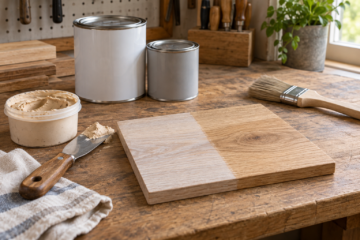
How to Prepare Wood for a Limed Oak Finish

A limed oak finish fills oak’s open pores with a pale pigment while leaving the grain visible. The result can look chalky and whitewashed, but it depends more on surface preparation than on the lime product itself. Dust, old finish, uneven sanding, or closed pores can leave the color blotchy Read more

By , 2 weeksSeptember 25, 2026 ago
AI-generated editorial illustration of wood fillers and finishing prep
Staining & Dyes

How to Choose a Wood Filler That Accepts Stain

“Stainable” on a filler label does not mean the patch will disappear. Wood absorbs stain through its pores; most fillers absorb it differently, so a filled nail hole or gouge can turn into a pale, dark, or oddly colored spot. The best choice depends on the damage, the wood, the Read more

By , 2 weeksSeptember 25, 2026 ago
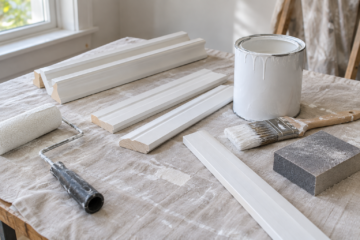
AI-generated editorial illustration of wood paint
Finish Problems & Fixes

How to Remove Water-Based Paint from Wood Without Deep Gouges

Water-based paint is easier to remove from wood than oil paint, but “easy” does not mean you should attack it with a sharp scraper. Soft pine, cedar, and fir can show deep gouges after one careless pass, while hardwoods can develop shiny scrape marks that remain visible under stain. The Read more

By , 2 weeksSeptember 25, 2026 ago
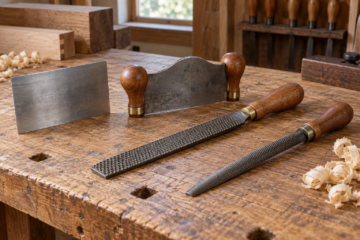
AI-generated editorial illustration of scrapers rasps files
Finish Problems & Fixes

How to Strip Paint from Wood Without Damaging the Grain

Paint removal is hardest on the wood you want to keep: a scraper can gouge soft earlywood, and aggressive sanding can flatten detail or leave cross-grain scratches. The safer approach is to soften the coating first, lift it with a blunt tool, and use abrasives only for residue and final Read more

By , 2 weeksSeptember 24, 2026 ago
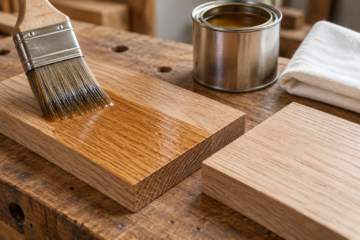
AI-generated editorial illustration: brush applying a clear wood finish to a board beside an unfinished offcut.
Painting & Priming

How to Apply a Clear Coat Over Painted Wood

Clear coat protects painted wood from scuffs, moisture, and routine cleaning, but it is optional. A sound paint film may need no extra coating, and the wrong clear coat can yellow, soften, or lift it. Check the paint label first: if it says not to topcoat, follow that advice. If Read more

By , 2 weeksSeptember 24, 2026 ago
AI-generated editorial illustration of wood stain
Finish Problems & Fixes

How to Fix Uneven Color in a Stained Wood Panel

Uneven color in a stained wood panel usually comes from uneven absorption, uneven stain application, or a surface that was not prepared consistently. The right fix depends on how deep the color variation goes. A light lap mark may respond to another thin coat; a blotchy panel may need its Read more

By , 2 weeksSeptember 24, 2026 ago
AI-generated editorial illustration of wood refinishing dyes bleach and tack cloth
Staining & Dyes

How to Apply a Grain-Raising Dye to Maple

Maple is a good candidate for a grain-raising dye because its pale, tight grain shows color clearly. The same tight surface also exposes mistakes: uneven sanding, glue residue, lap marks, and dark spots around end grain can all become more visible after dyeing. In this process, “grain-raising dye” means a Read more

By , 2 weeksSeptember 24, 2026 ago
AI-generated editorial illustration of wood paint
Finish Problems & Fixes

How to Distress Painted Wood Without Exposing Too Much Grain

Distressing is supposed to reveal signs of wear, not turn a painted surface into bare wood. The trick is to remove paint in a few chosen places with light pressure, then stop before sanding reaches the wood’s open grain. That takes less sanding than many tutorials suggest, especially on soft Read more

By , 2 weeksSeptember 24, 2026 ago
AI-generated editorial illustration: brush applying a clear wood finish to a board beside an unfinished offcut.
Oils & Waxes

How to Finish Wood with Tung Oil for a Soft Satin Sheen

Tung oil can leave bare wood with a low-gloss, soft-looking finish that shows grain rather than building a thick plastic-like film. The process is straightforward, but the label matters: many products sold as “tung oil finish” are blends with varnish, solvents, or other oils, not pure tung oil. Check the Read more

By , 2 weeksSeptember 24, 2026 ago
AI-generated editorial illustration: brush applying a clear wood finish to a board beside an unfinished offcut.
Staining & Dyes

How to Choose a Topcoat for a Stained Wood Table

The best topcoat for a stained wood table depends on how the table is used, what look you want, and how much application work you’re willing to do. A dining table needs better resistance to spills and abrasion than a decorative side table. The stain matters too: a finish that Read more

By , 2 weeksSeptember 24, 2026 ago

Posts pagination

Previous 1 … 54 55 56 … 63 Next
Recent Posts
  • Best Woodworking Clamps: Which Types to Buy and How Many You Need
  • Best Pocket Hole Jigs in 2026: Kreg, Massca and Milescraft Compared
  • Best Dovetail Jigs: Fixed, Multi-Template and Variable-Spacing Options Explained
  • Best Compact Wood Routers: Corded vs Cordless Picks for Edge Work and Trimming
  • How to Repair a Wood Split Caused by a Screw (Even in Thin Teak)
Recent Comments
No comments to show.
Archives
  • October 2026
  • September 2026
Categories
  • Clear Coats & Topcoats
  • Finish Problems & Fixes
  • Gift Guides
  • Grain Filling & Sealing
  • Guides
  • Oils & Waxes
  • Painting & Priming
  • Sanding & Surface Prep
  • Shop Setup & Safety
  • Staining & Dyes
  • Tool Troubleshooting
  • Tools
  • Wood Finishing
  • Wood Species & Lumber
  • Woodworking Techniques
Hestia | Developed by ThemeIsle