What's inside
As an Amazon Associate I earn from qualifying purchases. This post may contain affiliate links at no extra cost to you.
Painted bathroom cabinet doors usually peel because moisture reaches a weak spot in the finish or the paint never bonded well to the surface. Wood choice matters, but so do flatness, edge sealing, sanding, primer, and ventilation. For most painted doors, maple or a good-quality paint-grade hardwood is a dependable choice. Cabinet-grade birch plywood also works well for flat-panel doors; solid wood is usually better for a routed or raised-panel design.
As an Amazon Associate we earn from qualifying purchases at no extra cost to you.

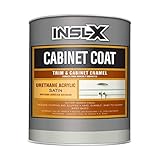
Our Top Picks
 ALL-IN-ONE Paint by Heirloom Traditions32 Fl Oz (Pack of 1)4.25 x 4.25 x 4.75 inches2.5 poundsCheck on Amazon

Best wood choices for painted doors
Hard maple is a strong all-around option. It is dense, smooth, and relatively uniform, so it takes paint without the prominent grain texture you get with oak. Its hardness helps resist dents, though it can be less forgiving to machine cleanly. Buy straight, dry stock and sand it evenly; a dense surface still needs proper preparation and primer.
Poplar is a common, less expensive paint-grade hardwood. It is easy to machine and generally takes paint well, but its green, gray, or brown streaks can show through thin or light-colored coatings. Use an appropriate stain-blocking primer if discoloration is a concern. Poplar is a good choice when the doors will be painted opaque white or another solid color and the budget matters.
Birch plywood is useful for flat-panel doors because it is stable across its face and less prone to seasonal movement than a wide solid-wood panel. Choose cabinet-grade material with a smooth face veneer, not construction plywood. Seal the exposed plies carefully: edges absorb primer and moisture differently from the face and are common starting points for peeling.
Oak is structurally sound, but its open grain can telegraph through paint. It can still be used if you want a textured look or are willing to fill the grain before priming. For a smooth painted finish, maple, poplar, or birch plywood usually takes less work.
Wood comparison
| Material | Best use | Trade-off | Peeling risk to manage |
|---|---|---|---|
| Hard maple | Solid or routed doors with a smooth finish | Costs more and is harder to machine | Do not skip sanding or bonding primer |
| Poplar | Budget-conscious solid doors | Color streaks may bleed through | Use stain-blocking primer where needed |
| Cabinet-grade birch plywood | Flat panels and stable door cores | Edges need extra preparation | Seal veneer and ply edges thoroughly |
| Oak | Textured painted finish | Open grain may remain visible | Fill grain if a smooth finish is required |
Choose the door construction, not just the species
Solid-wood frame-and-panel doors are traditional, but the center panel needs room to expand and contract with humidity. Do not glue a floating panel rigidly into its frame. If movement is restrained, joints can open or the panel can crack the finish. A well-made plywood panel is more dimensionally stable, while solid maple or poplar suits the rails and stiles.
For a simple slab door, a stable, flat core is important. Poor-quality plywood can have voids or a thin face veneer that sands through easily. MDF is also commonly used for painted cabinet doors because it is smooth and stable, but it is not wood and its edges swell badly if water gets in. It can be a reasonable low-cost option in a dry, well-ventilated bathroom if every face and edge is sealed and leaks are dealt with promptly.
Preparation that prevents peeling
New wood should be dry and clean. Sand solid wood and plywood faces with 120- to 150-grit paper, then finish with 180 grit; sanding much finer can reduce primer bite. Ease sharp edges slightly with a light sanding pass. Paint films tend to pull thin over knife-sharp corners, leaving weak spots that chip first. Remove dust with a vacuum and a clean, lint-free cloth.
Prime all sides of the door, including top, bottom, hinge mortises, and exposed edges. This slows uneven moisture exchange and reduces the chance that an unsealed edge will soak up water. On plywood, apply extra primer to the end grain and ply edges, then sand smooth after it dries. Follow the product’s recoat time rather than relying on a fixed number of hours; temperature and humidity affect drying.
Use a primer intended for wood and compatible with the topcoat. For bare wood, a wood bonding primer is a sensible category to compare. If poplar or knots show discoloration, choose a stain-blocking primer rather than applying extra coats of ordinary paint. Lightly sand the primer with 220 grit if its label allows, and remove the dust before painting.
Paint, curing, and bathroom moisture
Choose a quality cabinet or trim enamel rated for interior woodwork. A waterborne cabinet enamel is easier to clean up than oil paint and is widely used for doors, but the label must confirm it suits the primer and substrate. Apply two thin, even coats rather than one heavy coat. Heavy paint can sag, stay soft underneath, and chip at corners. Sand between coats only as directed.
Touch-dry does not mean fully cured. Many enamels need days, sometimes longer, to harden enough for normal handling. Leave doors off or open, and avoid hanging them against bumpers or closing them tightly until the stated cure period has passed. Installing too early can make the paint stick to the cabinet frame or leave permanent dents around knobs and stops.
Ventilation matters as much as the coating. Run the bathroom exhaust fan during showers and afterward, and fix plumbing leaks quickly. Repeated condensation can defeat even a sound paint system, especially at bottom edges and around sink-side doors. If peeling is limited to those locations, investigate water exposure before repainting; otherwise the new finish may fail in the same places.
What to buy and when cheaper is fine
For smooth, durable painted doors, choose maple if the budget allows, or poplar for a lower-cost solid-wood build. Use cabinet-grade birch plywood for flat panels where stability and cost matter more than a solid-wood edge. Oak is fine when visible grain is acceptable or you are prepared to fill it. The more expensive species cannot compensate for wet wood, unsealed edges, poor primer adhesion, or paint applied before the previous coat has dried.

0 Comments