What's inside
As an Amazon Associate I earn from qualifying purchases. This post may contain affiliate links at no extra cost to you.
The best daypacks depend on your daily load: choose a 20–24L commuter pack for a laptop and compact essentials, a 24–30L travel pack for clothing and electronics, or a lighter 18–25L hiking pack when ventilation and trail comfort matter more than organization.
As an Amazon Associate we earn from qualifying purchases at no extra cost to you.
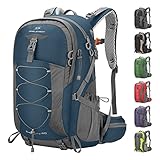


Quick picks by situation
| Situation | Best fit | Why it works | Trade-off |
|---|---|---|---|
| Office commute with a laptop | Patagonia Refugio 26L | Padded laptop sleeve, practical 26L capacity, comfortable everyday harness | Less structured than a dedicated business pack |
| Organized urban travel | Aer City Pack Pro | Excellent electronics organization, clamshell opening, firm protection | Heavier and less breathable than a hiking pack |
| Air travel and short trips | Fjällräven Räven 28 | 28L main compartment, wide opening, laptop compartment and useful front storage | Limited airflow for hot-weather hiking |
| Day hikes and mixed travel | Osprey Daylite Plus | Light weight, breathable back panel, hydration-compatible design and flexible storage | Modest laptop protection and less structured packing |
| Fast, light outdoor use | Deuter Speed Lite 25 | Low weight, stable hiking fit, stretch storage and good ventilation | Fewer protective compartments for office equipment |
What separates the best daypacks
Capacity that matches the load
Capacity is not just a number on a label. A 20L pack with a wide opening and efficient shape can carry more conveniently than a narrow 24L pack divided into many small compartments.
- 16–20L: wallet, lunch, light layer, compact camera and small accessories. Best for minimal commuters and short walks.
- 21–25L: the most versatile range for a laptop, charger, headphones, lunch and spare clothing.
- 26–30L: better for travel, bulky rainwear, shoes or a full day outdoors, but more likely to feel oversized in crowded transport.
For a normal office commute, estimate your actual load before buying. A 14-inch laptop and sleeve can occupy roughly 3–4L of usable space; lunch, headphones, charger, notebook and a light jacket can consume another 8–12L. That leaves useful room in a 22–26L pack without requiring aggressive overpacking.
Torso fit matters more than brand
A daypack should sit close to the upper back without forcing the shoulder straps outward. The shoulder-strap anchors should follow your shoulders, while the bottom of the pack should not sag far below the waist.
Look for adjustable torso length if several people will use the pack or if your torso is notably short or long. A removable or lightly padded hip belt is useful when carrying 8kg or more; for a laptop-only commute, a bulky hip belt can add unnecessary obstruction.
When trying a pack, load it with approximately 5–7kg. Tighten the shoulder straps, then the sternum strap, and check whether the pack stays stable while walking and climbing stairs. Empty-pack comfort can be misleading.
Laptop protection versus hiking comfort
Commuter packs usually protect electronics with a suspended, padded sleeve and a structured back panel. This reduces the chance of the laptop hitting the ground when the pack is set down. The downside is added weight and reduced flexibility.
Hiking packs generally prioritize a close fit, breathable mesh and flexible compartments. A laptop may fit in a hydration sleeve, but that sleeve is not necessarily padded or raised away from the base. If you use one pack for both purposes, add a separate laptop sleeve rather than assuming a hydration pocket provides impact protection.
Ventilation and weather resistance
A suspended mesh back panel can improve airflow, especially on a Deuter Speed Lite 25 or Osprey Daylite Plus, but it may move the load farther from your body. This can reduce stability when the pack is heavy.
Dense nylon, coated fabrics and water-resistant zippers help during light rain, but “water resistant” does not mean waterproof. For cycling, exposed hikes or expensive electronics, use a pack liner or dry bags. A built-in rain cover is convenient, though it can be awkward in strong wind and does not protect the contents while the pack is open.
Head-to-head: commuter organization versus trail performance
| Pack | Capacity | Approx. weight | Laptop provision | Back ventilation | Best use |
|---|---|---|---|---|---|
| Patagonia Refugio 26L | 26L | About 0.7kg | Padded sleeve, typically up to 15-inch class | Air-mesh back panel | Work, school and everyday carry |
| Aer City Pack Pro | About 24L | About 1.3kg | Dedicated padded compartment, commonly sized for 16-inch laptops | Ventilated but firm panel | Tech-heavy commuting and business travel |
| Fjällräven Räven 28 | 28L | About 0.9kg | Padded laptop compartment, commonly sized for 15-inch laptops | Conventional padded back | Travel and large daily loads |
| Osprey Daylite Plus | 20L | About 0.6kg | Tablet or sleeve-style storage rather than business-grade protection | Breathable mesh-covered foam | Light hiking and casual commuting |
| Deuter Speed Lite 25 | 25L | About 0.7kg | Not its primary design purpose | Aircomfort-style hiking ventilation and close fit | Hiking, fast day trips and outdoor travel |
Weights and laptop compatibility can vary by size or revision, so confirm the current manufacturer measurements before purchase. The comparison is most useful as a design guide: Aer emphasizes protection and access, while Osprey and Deuter give more space to movement and airflow.
How the pocket layout changes daily use
For commuters
Prioritize a separate laptop compartment, a quick-access top pocket, a full-width main compartment and a water-bottle pocket that does not consume interior space. A key leash is helpful, but too many tiny organizer sleeves can reduce capacity and make bulky items difficult to pack.
For travel
A clamshell or near-clamshell opening is valuable when the pack is used as a personal item or overnight bag. It lets you see the entire interior instead of digging through a tall top-loader. Compression straps are useful when the bag is partly full, while a luggage pass-through can reduce shoulder strain at an airport.
For hiking
Look for side stretch pockets, a front shove-it pocket, trekking-pole attachment points and a hydration sleeve. These features are more useful on a trail than a fleece-lined sunglasses pocket. A long zipper running down the front can also improve access to a rain layer without unpacking the entire bag.
A simple decision matrix
| Your priority | Choose this design | Avoid this mistake |
|---|---|---|
| Lowest cost and occasional use | 20–26L nylon pack with a basic padded sleeve | Paying for heavy hardware and complex access you will not use |
| Daily laptop commute | Structured 22–26L commuter pack with a suspended sleeve | Using an unpadded hydration pocket for a bare laptop |
| Frequent travel | 24–30L clamshell pack with compression and luggage pass-through | Choosing a deep pack that cannot fit under the seat when full |
| Hot-weather hiking | 18–25L pack with ventilated mesh and stable sternum strap | Choosing maximum padding that traps heat |
| One pack for work and trails | 20–25L hybrid with a removable laptop sleeve | Expecting a trail pack to protect electronics without an insert |
Durability, cleaning and ownership costs
The first parts to wear are usually zipper pulls, mesh bottle pockets, shoulder-strap edges and the bottom corners. Abrasion-resistant nylon helps, but no fabric prevents damage from repeatedly placing a loaded pack on rough concrete.
Empty the pack weekly and shake out grit before it reaches the zippers. Spot-clean with lukewarm water and mild soap, then air-dry fully with every compartment open. Avoid bleach, solvent cleaners and high-heat dryers, which can weaken coatings and foam. Do not machine-wash a structured laptop pack unless the manufacturer specifically permits it.
A practical ownership calculation can clarify a higher price. If a $120 pack lasts four years of five uses per week, it costs about $0.12 per use before maintenance: $120 divided by roughly 1,040 uses. A cheaper $60 pack lasting one year costs about $0.23 per use at the same frequency. Longevity matters, but only if the pack’s fit and capacity suit your routine.
Final recommendation
For most people, the best daypacks are 22–26L models with a real laptop compartment, breathable padding, a stable sternum strap and at least one unobstructed bottle pocket. Choose the Patagonia Refugio 26L for a light, flexible everyday pack; the Aer City Pack Pro for maximum electronics organization; the Fjällräven Räven 28 for travel capacity; or the Osprey Daylite Plus and Deuter Speed Lite 25 when hiking comfort outweighs laptop protection.

0 Comments